
Reading a Secondhand Clothing Listing Without Getting Burned
Learn how to interpret seller photos, condition descriptions, and measurements so the item you receive matches what you expected.
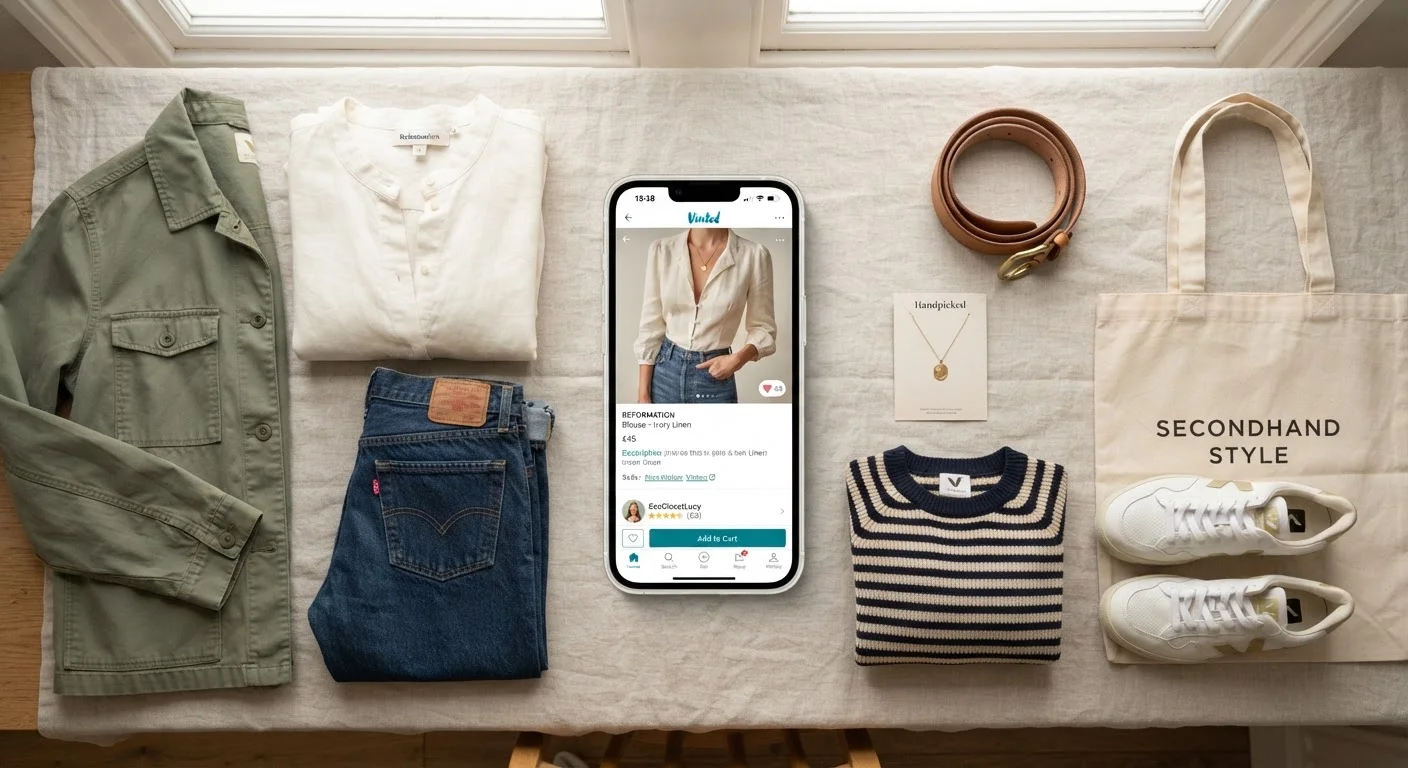
Photo: SaverSteals.com | Explore More. Shop Smarter. editorial
—— In This Article
Key Takeaways
- Condition labels like NWT, EUC, and GUC have specific meanings secondhand shoppers should know.
- Seller photos can conceal flaws - request additional angles before committing.
- Measurements matter more than size labels when buying used clothing online.
- Review seller feedback and return policies before completing any purchase.
- Gaps or vague language in a listing signal you should ask questions, not make assumptions.
Why Listings Can Mislead Even Careful Shoppers
Secondhand clothing listings vary wildly in quality - not always because sellers are dishonest, but because there is no universal standard for how to describe a used garment. One seller's "like new" is another seller's "shows some wear." Add inconsistent size labeling across brands and decades, and it's easy to understand why buyers end up disappointed.
The good news is that most listing problems are predictable. Once you know what to look for - and what to ask when something is missing - you can reduce the risk of receiving an item that doesn't match your expectations. This guide walks through each part of a listing so you can evaluate it systematically rather than relying on gut feeling. For a broader look at secondhand buying, see The Complete Secondhand Clothing Handbook.
What you will need
How to Evaluate a Listing Step by Step
Work through each element of the listing in order. Skipping steps - especially measurements or seller history - is where most buyers run into trouble.
Decode the condition label first
Most listings open with a condition label. These abbreviations - NWT (new with tags), NWOT (new without tags), EUC (excellent used condition), GUC (good used condition) - are not regulated, so sellers apply them subjectively. Before evaluating anything else, check what the label likely means in context. A full breakdown of these terms is available in the Clothing Condition Labels reference guide.
Examine every photo critically
Look at how the item is photographed. Well-lit, flat-lay or hanger shots in natural light are easier to evaluate than dimly lit or styled photos that obscure the garment's actual state. Check for: pilling on fabric surfaces, fading especially at seams and cuffs, stains (look in armpits, collar, and hem), and signs of stretching or misshaping. Zoom in where the platform allows. If photos show only one angle or are blurry in key areas, that's a gap you need to fill by messaging the seller.
Read the written description carefully - including what's absent
A thorough seller will note fabric content, any known flaws, how the item fits (relaxed, slim, oversized), and washing history. Read the description for what it does not say as much as for what it does. A listing that mentions no flaws but also describes nothing specific about condition is not the same as one that explicitly states "no flaws found." Omissions are not guarantees.
Check measurements, not just the size label
Sizing is inconsistent across brands, countries, and decades. A size 10 from one manufacturer may fit completely differently from a size 10 from another. Always look for actual garment measurements - chest width, length, shoulder width, inseam - and compare them to your own. If measurements aren't listed, ask before purchasing. For a practical checklist covering fit alongside fabric and construction quality, see Before You Buy: A Condition Check for Secondhand Clothing.
Review seller history and ratings
On most resale platforms, buyers can leave feedback after a transaction. Read recent reviews and look for patterns: repeated comments about items not matching descriptions, slow shipping, or poor communication are red flags. A high rating with a large number of completed transactions is a stronger signal than a perfect score from only a handful of sales. Also note how recently the seller has been active - a dormant account can complicate dispute resolution.
Confirm return and dispute policies before paying
Different platforms and individual sellers have different policies. Some platforms offer buyer protection that covers "not as described" claims; others do not. Some sellers explicitly mark listings as final sale. Know the rules before you pay, not after something goes wrong. If a platform offers buyer protection, use a payment method that qualifies for it.
What to Do If Something Still Seems Off
Even after completing all the steps above, you may still feel uncertain about a listing. That uncertainty is worth acting on. Message the seller with specific questions: ask for a photo of the item laid flat with a tape measure, request a close-up of any area you're unsure about, or ask how the item fits the seller (height, weight, and body type can help contextualize measurements).
If a seller is slow to respond, vague in their answers, or unwilling to provide additional photos, treat that as information. Responsive, transparent sellers are generally more reliable. Also check the platform's buyer protection policy before paying - some offer recourse if an item is significantly not as described, while others treat all sales as final. Paying through methods that offer dispute resolution adds another layer of protection.
Pressure to Pay Quickly Is a Red Flag
If a seller urges you to complete payment immediately or asks you to pay outside the platform's system, stop. Off-platform payments typically bypass buyer protections entirely. Legitimate sellers on established resale platforms do not need you to rush or pay through unofficial channels.
The same critical reading skills apply when buying other secondhand goods. The article Buying Secondhand Furniture Online covers how to spot red flags and understand payment protections in a different category.

Clothing Editorial Team
Clothing Editorial Team is the collective byline for our editorial team and contributor network. Articles published under this byline or an editorial pen name are researched, written, and reviewed according to our editorial standards for clarity, consistency, and independence before publication.
View author profile