

Key Takeaways
Makeup Dupe
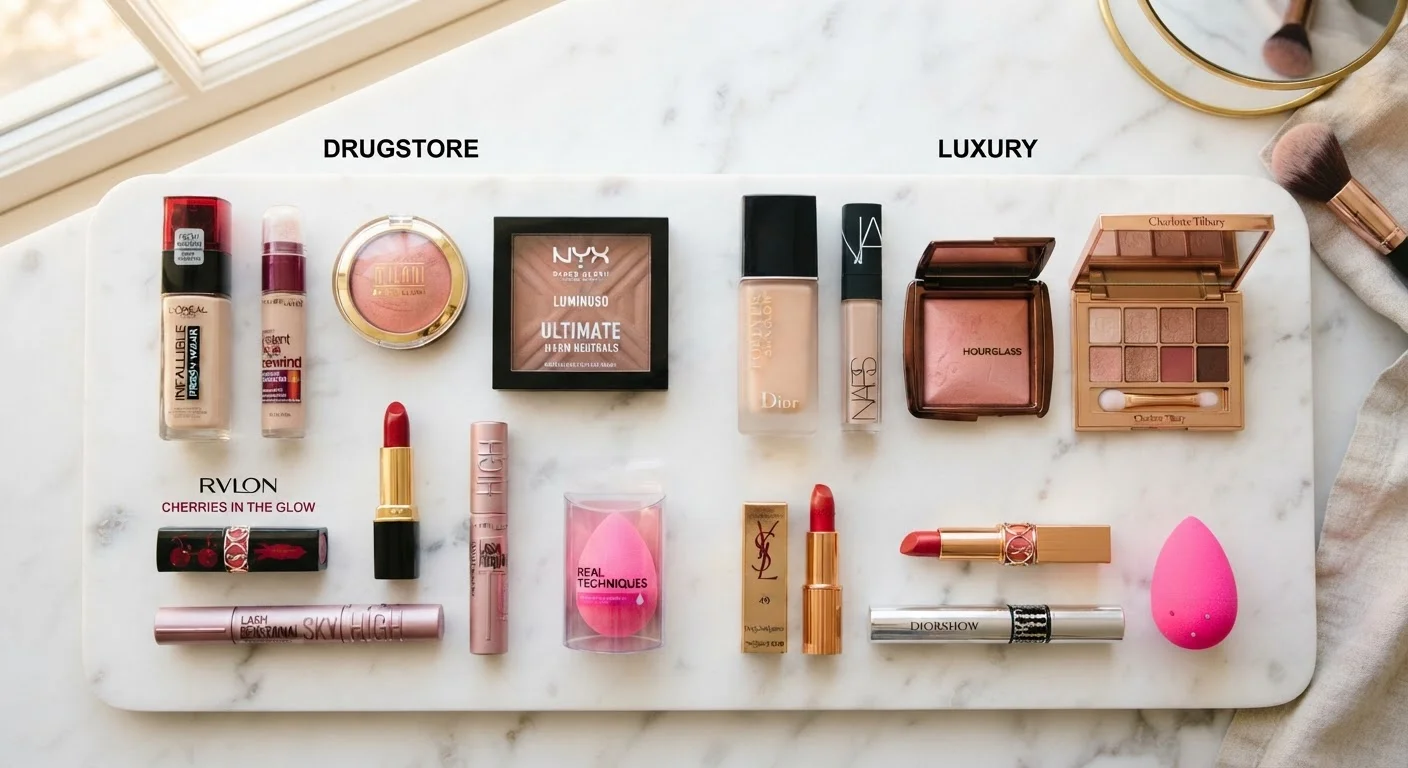
A makeup dupe is an affordable product that closely replicates the appearance, texture, or performance of a more expensive, often designer or prestige alternative. A true dupe delivers comparable results at a fraction of the price - not just a similar-looking package. The best dupes match the original in pigment, finish, wear time, and formula quality, making the price difference feel genuinely irrelevant.
Dupes differ legally and functionally from counterfeits: they are independently formulated products that happen to achieve similar results, rather than replicas or fakes using copied branding or packaging.
The Dupe Hype Is Real - But So Is the Disappointment
Let's be honest: we have all ordered something breathlessly marketed as a "dupe" for a $60 highlighter, only to open the package and stare at a chalky, barely-pigmented disk that looks nothing like the original swatch. Ouch. That sting is real, and it is exactly why understanding what separates a genuine dupe from a wishful imitation is one of the most valuable skills a budget beauty lover can develop.
The beauty industry has exploded with dupe culture - and for good reason. Prestige makeup pricing has outpaced inflation dramatically, with hero products from brands like Charlotte Tilbury, Hourglass, and NARS regularly crossing the $40-$60 threshold for a single item. Meanwhile, the gap in formula technology between drugstore and prestige has quietly narrowed. The result? A growing number of affordable products that can legitimately stand toe-to-toe with their luxury counterparts.
But not all of them can. And knowing which category, which product type, and which formula signals to look for makes the difference between a thrilling find and a wasted $12. This guide breaks it all down so you can shop smarter, skip the duds, and feel genuinely great about what is in your bag.
What a True Dupe Actually Has to Match
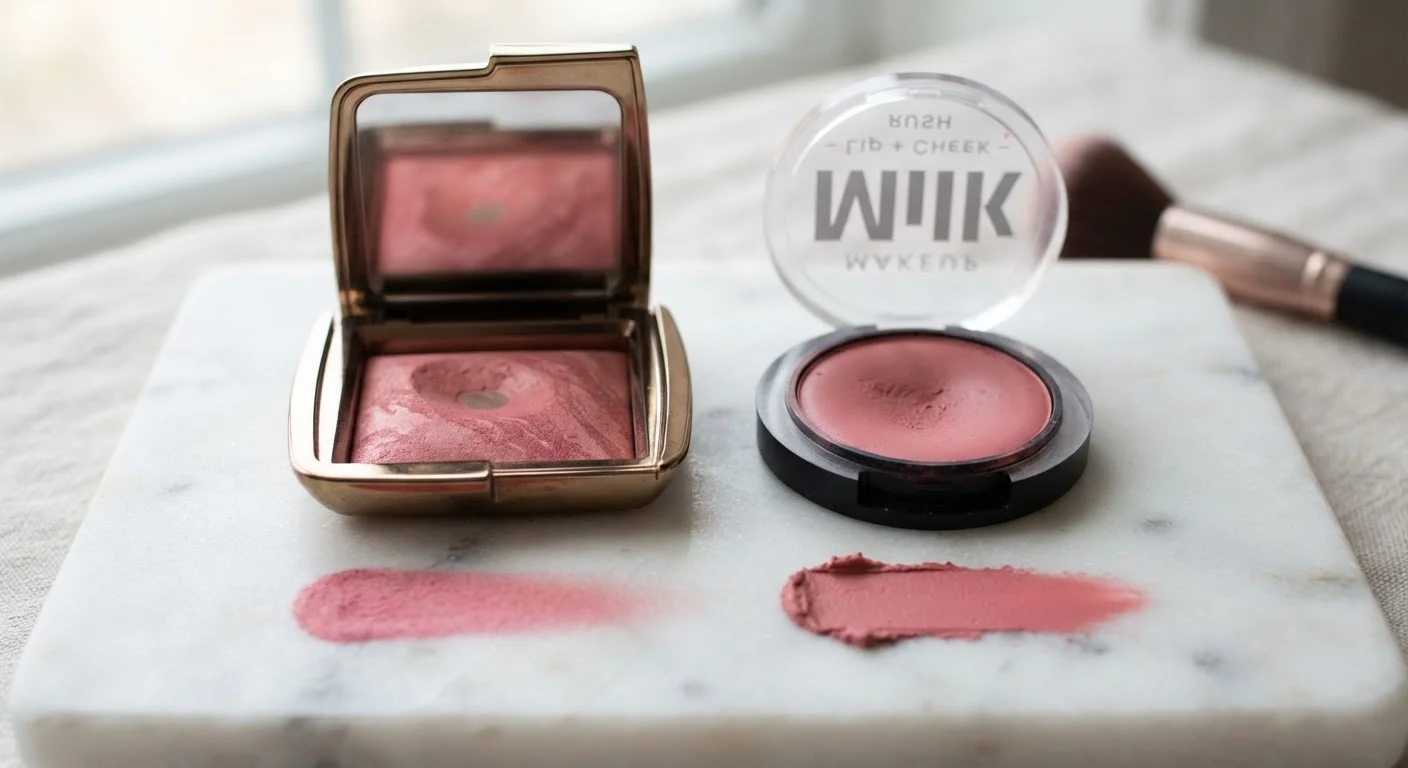
Here is the thing most dupe round-ups get wrong: they focus almost entirely on color. Yes, shade matching matters - but color is honestly the easiest thing to replicate. What separates a true dupe from a superficially similar product comes down to four performance pillars:
- Finish: Does the dupe produce the same visual effect - matte, satin, dewy, metallic, glassy? A blush that looks hot pink in the pan but reads flat and dusty on skin is not a dupe for a luminous flush, regardless of the color match.
- Pigmentation: Does the color pay off at the same intensity with the same amount of product? A dupe that requires three times the product to achieve the same pigment deposit is not saving you money in the long run.
- Wear time: Does the product last through a comparable portion of the day? A foundation dupe that oxidizes dramatically or breaks down after four hours cannot functionally replace an all-day wear original.
- Texture and application: Does it blend the same way, sit the same way on skin, and interact with other products (primers, setting sprays, other makeup) without pilling, caking, or sliding?
When you evaluate a dupe against all four of these metrics - not just color - you get a much clearer picture of whether it is actually worth your money. Our deep-dive on formula and finish comparisons walks through this process category by category if you want to go even further.
60-80%
Typical price savings from a top-rated drugstore dupe
Analysis of popular dupe comparisons across beauty publications consistently shows savings in this range when comparing per-unit price of drugstore alternatives to prestige originals.
$13B+
US prestige beauty market size in 2023
According to Circana (formerly NPD), the US prestige beauty market exceeded $13 billion in sales in 2023, driving consumer interest in affordable alternatives.
72%
Beauty shoppers who research dupes before buying prestige
A 2023 survey by Mintel found that nearly three in four beauty consumers check for a drugstore alternative before committing to a high-end makeup purchase.
4x
Speed at which dupe content grows on social media
Dupe-related content on TikTok has grown at approximately four times the rate of general beauty content since 2021, according to data from Dash Hudson's social analytics platform.
Which Makeup Categories Dupe Best (and Which Resist It)
Not all makeup is equally dupeable - and understanding why helps you set realistic expectations before you buy. Here is how the major categories break down:
Easiest to Dupe
- Blush: Pigment technology for powder blush has been perfected across price points. The gap between a $4 Milani blush and a $38 NARS blush is genuinely minimal in many shades.
- Highlighter: Similar story - pressed powder shimmer is highly replicable. Many drugstore highlighters outperform prestige alternatives in glow intensity.
- Single eyeshadows and palettes: While some specialty finishes (ultra-foiled metallics, specific pressed-glitter textures) are harder to replicate, the vast majority of matte and shimmer shadows have excellent drugstore alternatives.
- Lip liner: Formula complexity here is low, and many drugstore options genuinely match prestige in texture, longevity, and color range.
Harder to Dupe
- Long-wear or skin-care-infused foundation: The skincare technology baked into many prestige foundations - hyaluronic acid complexes, peptide blends, skin-barrier ingredients - is significantly more expensive to formulate and difficult to replicate at drugstore price points.
- Mascara: The wand design is proprietary and dramatically affects application results. Even if the formula is similar, a different brush completely changes the outcome.
- Lip gloss with complex finishes: That specific vinyl-glass-lip effect? It involves very specific polymer technologies that are not yet widely replicated at budget prices.
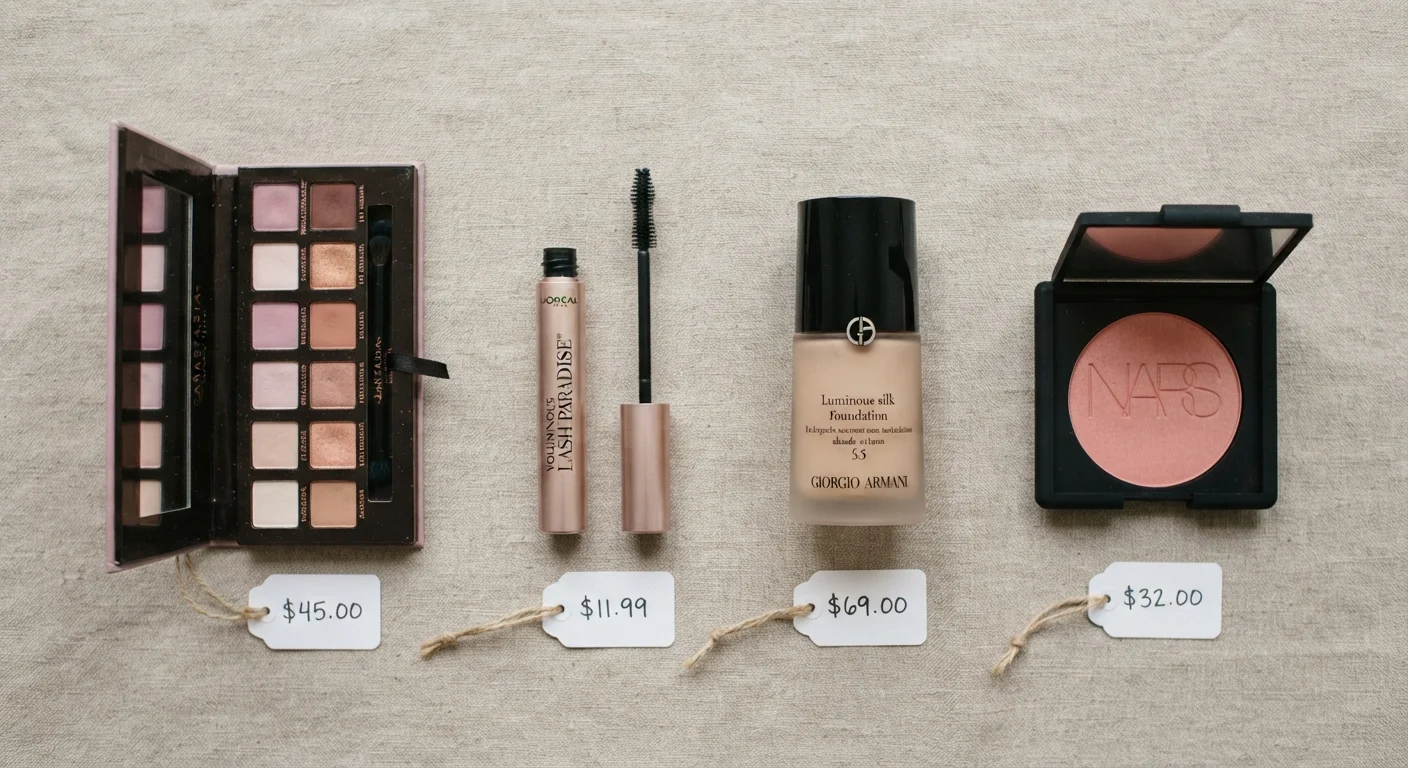
Understanding these category dynamics means you can go into a drugstore with a targeted list rather than hoping everything will work out. Spend smart, save where you can, and know which items on your wishlist are worth the prestige price tag. For a broader look at when cutting costs backfires in beauty, this breakdown of splurge-versus-save decisions is genuinely eye-opening.
Start With One Category, Not Everything
Trying to dupe your entire routine at once is overwhelming and leads to hasty choices. Pick one category - blush is a great starting point because the success rate is so high - and master that before moving on. You will build dupe-evaluation instincts fast, and your early wins will feel genuinely exciting.
Screenshot Ingredients Before You Shop
Before heading to the drugstore, take a screenshot of the ingredient list of your prestige product. Standing in the aisle, you can quickly compare the first five ingredients on the drugstore alternative. This 30-second check catches formula mismatches before you get home and feel let down.
Reading the Ingredient List Like a Pro
Ingredient lists are your single most reliable tool when evaluating whether a dupe can actually perform - and they are criminally underused. Here is what to look for:
For Foundation and Complexion Products
Compare the first five ingredients. The sequence matters enormously: if the original formula leads with a silicone like dimethicone (for a smooth, pore-blurring effect) and the dupe leads with water and alcohol, the finish and skin feel will be fundamentally different. Look for overlapping film-forming agents, sunscreen actives (if relevant), and slip agents.
For Eyeshadows and Blush
Check for overlapping pigment types: iron oxides for mattes, mica for shimmer, and ultramarines for blues and purples. If both products list similar pigment combinations, the color payoff is likely comparable. The difference between a $4 and a $40 pressed shadow often comes down to the binder quality - and sometimes the drugstore version actually uses a more skin-friendly binder.
For Lip Products
Wax structure (carnauba, candelilla, beeswax) determines texture and longevity. Castor oil and jojoba are common in both prestige and drugstore formulas. If the core lipid structure overlaps, the wear experience will be broadly similar.
Reformulations Happen More Than You Think
Both drugstore and prestige brands quietly reformulate products - sometimes improving them, sometimes not. A beloved dupe from two years ago may have a completely different formula today. Always check the review dates when researching, and look for mentions of 'new formula' in recent comments. When in doubt, buy one before stocking up.
Dupes Are Not the Same as Budget Skincare Swaps
The dupe framework works differently for makeup versus skincare. Makeup dupes are primarily about finish and color payoff, while skincare dupes hinge on active ingredient concentration and delivery systems - a much more technical evaluation. The skincare savings hub has resources specifically designed for that more complex comparison.
This ingredient-literacy approach is especially powerful when applied to skincare-makeup hybrids. Our companion guide on decoding skincare ingredient labels for drugstore alternatives takes this exact method and applies it to serums, moisturizers, and SPF products with the same satisfying results.
“The prestige makeup market prices in aspiration, brand equity, and packaging - not just formula. Once consumers learn to read ingredients, they realize how much of the price gap has nothing to do with what actually touches their skin.”
— Ni'Kita Wilson, Cosmetic chemist and beauty industry formulation consultant
How to Use Community Reviews the Right Way
Beauty marketing is extremely good at making everything look incredible. The antidote? Real people, real skin, real lighting. But not all community reviews are equally useful, and knowing how to filter the noise turns review research into a genuine superpower.
What Makes a Review Actually Trustworthy
- Skin-tone diversity: A dupe may match perfectly on one complexion and pull entirely different on another. Look for swatches and reviews across multiple skin tones before committing.
- Wear-time specifics: Vague claims like "it lasts all day" are almost useless. Look for reviews that mention specific hour counts, whether touch-ups were needed, and how the product looked at the end of the day - not just immediately after application.
- Verified purchase reviews on multiple platforms: Cross-reference Ulta, Target, and Amazon reviews, and check Reddit's r/MakeupAddiction and r/drugstorebeauty. When multiple independent sources agree, you can trust the signal.
- Side-by-side swatch videos: YouTube and TikTok creators who do genuine comparison swatches (same lighting, no filter, swatched in the same position) are gold. Look for creators who are transparent about who sponsored their content.
The goal is triangulation - no single review tells the whole story, but when five different sources independently reach the same conclusion, you can shop with real confidence.
The Real Math: Does the Dupe Actually Save You Money?
Here is the part that surprises people: the cheapest dupe is not always the most economical choice. Let's run some actual numbers.
Say a prestige blush costs $38 and a drugstore version costs $9. Sounds obvious, right? But if the drugstore version requires twice as much product per application to match the pigment payoff, and has half the product volume, you are going through it four times faster. Suddenly the cost-per-use is much less flattering to the "dupe."
True dupe math looks like this:
| Factor | Original | Dupe |
|---|---|---|
| Price | $38 | $9 |
| Product volume | 6g | 4g |
| Applications per unit | ~120 | ~60 |
| Cost per application | $0.32 | $0.15 |
In this example, the dupe still wins - but only because the per-application cost is genuinely lower even accounting for volume. If the dupe required significantly more product per use, the math would flip quickly.
The most savings-savvy approach is to prioritize dupes with strong pigmentation (less product per use), reasonable product volume, and a track record of lasting before reformulation. Brands sometimes quietly reformulate beloved products, so always check the review dates - a five-year-old dupe recommendation may not reflect the current formula.
Red Flags That Signal a Dupe Is Not Worth It
Shopping for dupes also means getting good at spotting the ones to leave on the shelf. Here are the clearest warning signs:
- The marketing is all about price, not performance: If the entire selling point is "just like but cheaper" with no mention of specific formula attributes, be skeptical. Great dupes earn the comparison through performance, not just positioning.
- No reviews from people with your skin type or concerns: A matte foundation dupe praised exclusively by people with dry skin is not a safe bet if you have oily skin. The formula interaction with sebum is completely different.
- Dramatically different ingredient structure: If the active components, film-formers, or pigment systems do not meaningfully overlap with the original, it is not really a dupe - it is just a similar-looking product in the same category.
- New brand with no track record: Some brands launch specifically to ride dupe buzz without the R&D to back it up. A two-month-old brand making bold claims is a higher-risk buy than an established drugstore name with years of formula refinement.
- Suspiciously low price even for the drugstore tier: There is a quality floor. Products priced well below typical drugstore ranges (think $1-$3 for complex formulas) often sacrifice safety testing, ingredient quality, or stability.
Start With One Category, Not Everything
Trying to dupe your entire routine at once is overwhelming and leads to hasty choices. Pick one category - blush is a great starting point because the success rate is so high - and master that before moving on. You will build dupe-evaluation instincts fast, and your early wins will feel genuinely exciting.
Screenshot Ingredients Before You Shop
Before heading to the drugstore, take a screenshot of the ingredient list of your prestige product. Standing in the aisle, you can quickly compare the first five ingredients on the drugstore alternative. This 30-second check catches formula mismatches before you get home and feel let down.
When in doubt, use the formula comparison framework to pressure-test any dupe claim before you spend. It takes five minutes and can save you from a shelf of disappointments.
Building Your Personal Dupe Strategy
The most effective dupe shoppers are not the ones who dupe everything - they are the ones who know exactly which items in their routine deserve an affordable swap and which are worth the investment. Here is how to build that clarity for your own bag:
- Audit your current products by how much the formula complexity matters: Your daily blush, your casual lipstick, your travel mascara - those are high-value swap candidates. Your skin-care-hybrid foundation that took you months to find? That one might be worth keeping.
- Identify your non-negotiables: If transfer-proof lip color is essential to your work day, a dupe that moves within two hours is not actually a dupe for your life. Know what "performing the same" means for you specifically.
- Use your first purchase as a test: Buy the dupe for one product you use regularly, and live with it for two weeks before replacing anything else. Real-world experience beats any review.
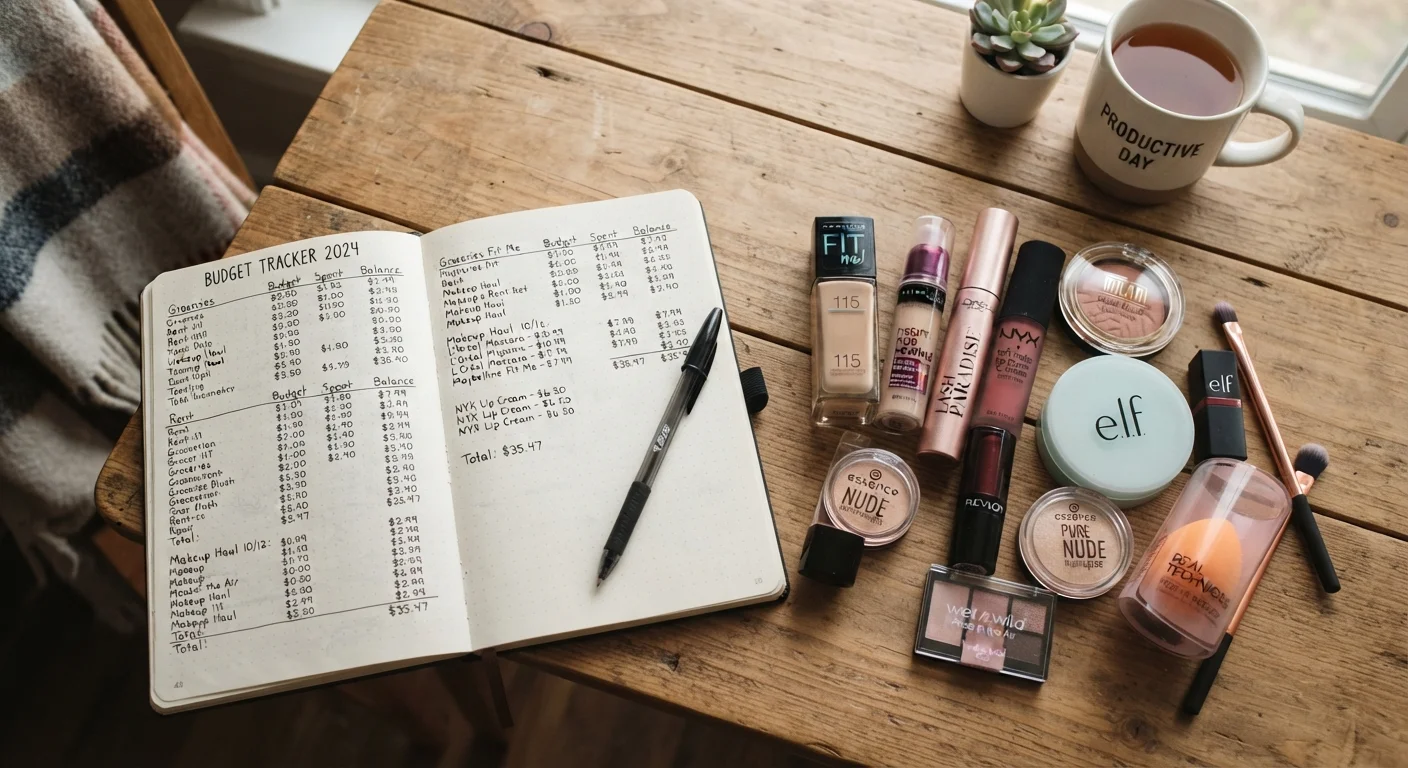
- Track your savings intentionally: Keep a simple note of what you swapped and how much you saved. Seeing the cumulative number is genuinely motivating - and helps you decide where to reinvest those savings into the products that are worth the splurge.
Beauty on a budget is not about refusing yourself nice things - it is about getting clear on which nice things are worth every dollar, and which ones have a brilliant, affordable twin sitting right next to them on the shelf. That mindset shift is everything. And if you want to go even deeper into the world of budget beauty savings, there is a whole universe of smart swaps waiting for you.
Reformulations Happen More Than You Think
Both drugstore and prestige brands quietly reformulate products - sometimes improving them, sometimes not. A beloved dupe from two years ago may have a completely different formula today. Always check the review dates when researching, and look for mentions of 'new formula' in recent comments. When in doubt, buy one before stocking up.
Dupes Are Not the Same as Budget Skincare Swaps
The dupe framework works differently for makeup versus skincare. Makeup dupes are primarily about finish and color payoff, while skincare dupes hinge on active ingredient concentration and delivery systems - a much more technical evaluation. The skincare savings hub has resources specifically designed for that more complex comparison.