

Key Takeaways
Why Dupe Evaluation Is a Learnable Skill
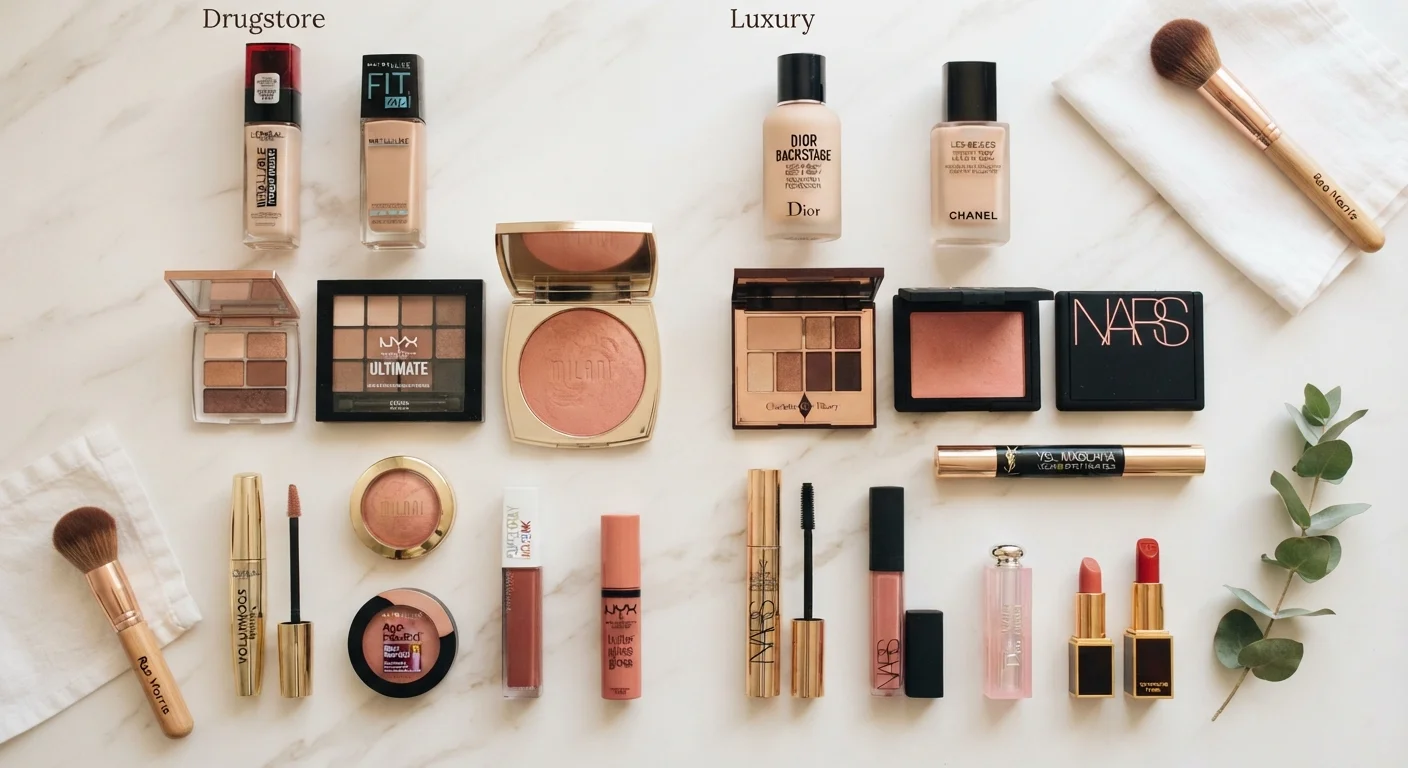
Let's be real: the beauty industry has built entire empires on the idea that a $52 foundation is categorically superior to a $12 one. But here's the thing - formulation science doesn't discriminate by price tag. The same silicones, pigments, and film-forming polymers that go into a prestige compact can absolutely show up in a drugstore aisle, especially now that contract manufacturers often supply ingredients to both ends of the market.
What does differ - and this is crucial - is the precise ratio of those ingredients, the quality tier of raw materials, and the complexity of pigment combinations. A luxury eyeshadow palette might use five different particle sizes of mica to create depth; its drugstore dupe might use two. The result? Similar, but not identical. Your job as a savvy shopper is to figure out how close is close enough for your needs and your budget.
This isn't about being cheap. It's about being strategic. For everyday no-makeup-makeup days, a drugstore foundation that performs at 85% of the luxury version is an absolute win. For a wedding or high-stakes event? Maybe that's when you reach for the splurge. Knowing how to evaluate makes every purchase intentional.
The good news: once you internalize this framework, it takes about 10 minutes to assess any proposed dupe. And if you're also curious about applying this thinking to your skincare shelf, our guide to decoding skincare ingredient labels walks through the same logic for actives and moisturizers.
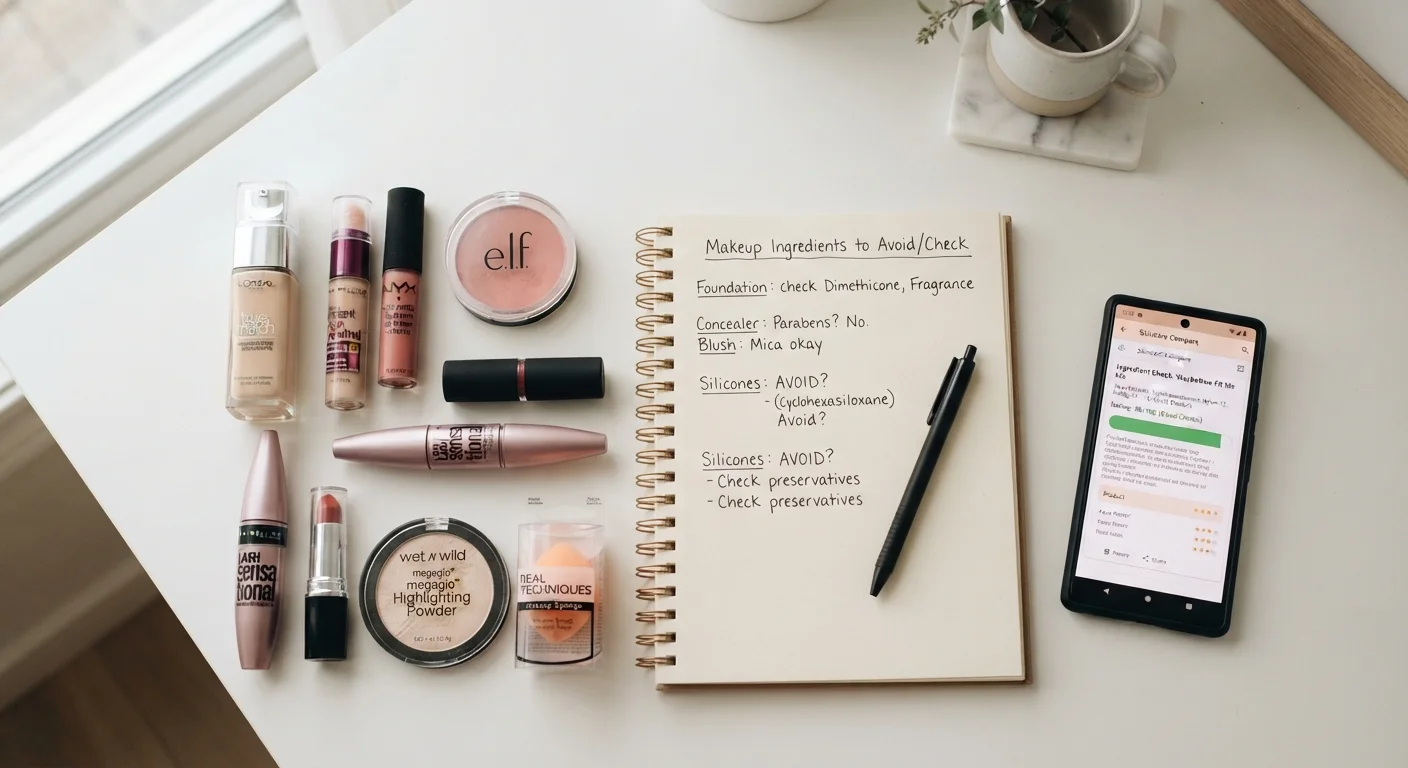
Ready to become your own beauty lab? Here's everything you need - and the step-by-step process to use it.
What you will need
INCI Beauty App
Decode and compare cosmetic ingredient lists side by side in plain language.
CosDNA Database
Look up individual ingredients, their functions, and safety ratings for formula analysis.
Reddit r/MakeupAddiction or r/drugstorebeauty
Access community-verified swatches and performance comparisons before purchasing.
Natural light source or ring light
Accurately assess finish type - matte, satin, or dewy - on skin under realistic conditions.
Makeup swatch surface (hand or arm)
Physical surface for swatching both products simultaneously for pigment and texture comparison.
Timer or phone alarm
Track wear time at intervals (2, 4, 6, and 8 hours) during at-home performance testing.
Category-by-Category Dupe Difficulty Guide
Not all makeup categories are equally easy to dupe. Before you invest time in ingredient analysis and wear testing, it helps to know where drugstore formulas genuinely compete with luxury and where the gap remains stubbornly wide.
Shade Range Gaps Are a Real Issue
One of the most significant ongoing shortcomings in drugstore dupe culture is shade range. Many drugstore brands still under-serve medium-to-deep skin tones, meaning a formula that technically dupes a luxury foundation may not exist in your shade. Always check shade range before getting excited about a formula match - a dupe that doesn't come in your color isn't a dupe for you, full stop.
Easiest Categories to Dupe
- Lipstick and lip gloss: The core formula - wax, emollient, pigment - is structurally simple and well-replicated at the drugstore level. NYX, e.l.f., and Wet n Wild have long produced lip products that rival MAC, Charlotte Tilbury, and NARS in pigment and wear.
- Pressed powder blush and bronzer: Powder compression technology is mature and widely accessible. The main quality differentiator is pigment richness and particle size, both of which you can assess with a quick swatch.
- Mascara: Formula matters less than brush design here. Some of the most beloved mascaras of all time (L'Oréal Voluminous, Maybelline Great Lash) are drugstore originals that luxury brands have tried to match.
Moderate Difficulty
- Foundation and concealer: Dupeable, but the formula complexity is higher. Wear time and oxidation behavior are where drugstore versions most commonly diverge. Requires thorough wear testing (see Step 5).
- Eyeshadow singles and palettes: Pigment density and blendability vary widely. Buttery, blendable mattes are harder to replicate cheaply than shimmers. Always swatch before committing.
Hardest to Dupe
- Setting sprays and primers: The proprietary polymer and humectant blends in prestige setting sprays (like Urban Decay All Nighter) are genuinely difficult to replicate. Drugstore options work, but rarely extend wear by the same margin.
- Skin tints and serum foundations: These blur the line between skincare and makeup, often containing active ingredients at effective concentrations. For the skincare component, see where splurging on skincare actually pays off.
Viral TikTok Dupes Aren't Always Verified
Social media dupe content moves fast and often prioritizes entertainment over accuracy. A 60-second video showing two products that 'look the same' on camera doesn't account for formula differences, wear time, or how the products behave across different skin types and tones. Use viral content as a starting point for research, not a final verdict - then do your own ingredient and swatch analysis.
Let the Community Do Some Work For You
Before spending any money, search '[Product Name] dupe' on Reddit's r/drugstorebeauty or r/MakeupAddiction. Thousands of beauty enthusiasts have already done side-by-side testing and posted their findings with unfiltered photos. Community consensus on a dupe carries a lot of weight - if 50 people agree it performs similarly, that's meaningful real-world data you can trust.
Check Ingredient Lists on Brand Websites First
Retailer pages like Sephora and Ulta sometimes have outdated or abbreviated ingredient lists - formulas do get updated without fanfare. Always cross-check with the brand's official product page, which is required to post the most current full INCI list. This is especially important if you have allergies or sensitivities that make specific ingredients a dealbreaker.
Pull up both ingredient lists and identify the first five ingredients
The first five ingredients in any cosmetic formula typically make up 80-90% of the product by weight. This is your starting point, full stop. Open both the high-end product and the proposed dupe's ingredient lists side by side - use the brand's official website, Sephora/Ulta product pages, or an app like INCI Beauty.
For foundations and liquid products, you want to see similar base agents: water (Aqua), silicones like Dimethicone or Cyclopentasiloxane, and emollients like Isododecane. For powders, look at whether both lead with similar fillers such as Talc, Mica, or Boron Nitride - the latter gives that buttery, luxury feel that separates a great powder eyeshadow from a chalky one.
If the first five ingredients are structurally similar, you're already 60% of the way to confirming a true dupe. If they diverge dramatically - say, the luxury product is silicone-forward and the drugstore pick is water-forward - the texture and wear behavior will feel noticeably different on skin.
Check for key functional ingredients and their position in the list
Beyond the base, you need to hunt for the functional ingredients - the ones responsible for the product's signature behavior. Ingredients are listed in descending order of concentration, so position matters enormously.
- Foundations: Look for film-forming agents like PVP or Acrylates Copolymer (these give long-wear staying power). If the luxury version has them in positions 6-10 and the dupe doesn't have them at all, wear time will suffer.
- Eyeshadows: Compare pigment binders - Synthetic Fluorphlogopite and Mica produce that pressed-metal shimmer effect; without them, a dupe will look flat or frosty rather than dimensional.
- Lipsticks: Waxes like Candelilla Wax, Carnauba Wax, and Beeswax dictate slip, opacity, and longevity. A dupe heavy in petrolatum instead will feel more emollient but sheer and short-lived.
- Setting powders: Boron Nitride vs. Talc is the biggest quality divider here - both mattify, but boron nitride diffuses light and blurs pores more effectively.
Write down any significant functional gaps you spot. Two or more missing key ingredients is a red flag that the dupe will only partially replicate the original's performance.
Swatch both products and assess pigment payoff
This step requires either owning both products or accessing high-quality, photographed swatches from a trusted source. Pigment payoff - how much color or coverage deposits in a single application - is one of the most immediate quality indicators in makeup.
To swatch at home: apply one stripe of each product on the back of your clean, bare hand or forearm using the same amount of product and the same pressure. Photograph under natural window light and again under artificial warm light. What you're looking for:
- Coverage depth: Does the dupe foundation cover as much of your skin texture as the original in one layer?
- Color accuracy: For eyeshadows and blushes, does the pigment look true-to-pan or washed out on skin?
- Shimmer quality: Cheap shimmer looks glittery and chunky; quality shimmer (often using Synthetic Fluorphlogopite) looks lit-from-within.
- Blendability: Powder products should blend without resistance or patchiness within 10 seconds of buffing.
If doing online research instead, prioritize swatches from community users on Reddit's r/drugstorebeauty or beauty YouTubers who show unsponsored, unfiltered side-by-sides. Professionally lit brand imagery will always look better than real life - trust real-people swatches every time.
Evaluate finish type against the original's described finish
Finish is where many otherwise solid dupes fall short. A foundation marketed as 'natural satin' and a dupe positioned as 'dewy glow' might share similar ingredients but land in completely different visual territory on skin. This matters because finish affects how a product photographs, ages throughout the day, and layers with other products.
Use this quick category-by-category finish checklist:
| Category | Finish Terms to Match | How to Test |
|---|---|---|
| Foundation | Matte, satin, dewy, luminous | Apply and photograph at 1 hour and 4 hours |
| Concealer | Full-coverage matte vs. brightening | Check under-eye area for creasing at 3 hours |
| Eyeshadow | Matte, satin, metallic, glitter | Assess fallout and dimension under two light types |
| Blush/Bronzer | Powder-matte vs. skin-like flush | Check for chalkiness on medium to deep skin |
| Lipstick | Cream, matte, satin, gloss | Observe feathering and fade pattern at 2 hours |
If the finish description of the dupe doesn't match the original, dig into the ingredient list for clues: high levels of Dimethicone create satin; Kaolin or Silica creates matte; oils like Jojoba or Squalane push toward dewy. A mismatch here often means the product is an inspired-by option, not a true dupe.
Conduct a timed wear test across a full day
The only way to truly confirm a dupe's performance parity is time on skin. Apply the dupe product to one side of your face (or one eye, for eyeshadows) and the original to the other side. Check in at regular intervals and note what you see:
- 2 hours: Has either product started to oxidize, fade, or shift finish?
- 4 hours: Where is coverage holding? Does the dupe show more breakthrough in high-movement areas (nose, mouth corners, under eyes)?
- 6-8 hours: What is the fade pattern? Is it graceful and even, or patchy and cakey?
Document with photos at each checkpoint. Wear-time parity within 1-2 hours of the original is an excellent result. If the dupe fades 3-4 hours faster, factor that into your cost-per-wear calculation - sometimes a dupe that needs touch-ups isn't as economical as it first appears.
[in_content_images:1]Calculate true cost-per-use and confirm the dupe is worth buying
A dupe that costs $8 versus a $40 original sounds like a no-brainer - until you factor in product weight and use frequency. This final step is about making sure the math actually works in your favor.
Here's a simple formula:
Cost per use = Price ÷ Estimated number of uses
Find the product weight in grams or mL on the packaging. A drugstore foundation that's $9 for 15mL versus a luxury option at $45 for 30mL might seem cheaper, but at half the volume for nearly a quarter of the price, the math still favors the dupe - just check your numbers.
Then weigh all your findings:
- Do the top 5 ingredients structurally align? ✓
- Are key functional ingredients present and similarly positioned? ✓
- Does pigment payoff meet the original within one extra layer? ✓
- Does finish match across different lighting conditions? ✓
- Does wear time come within 2 hours of the original? ✓
If you're checking 4 out of 5 of these boxes, you've found a true dupe worth buying. See our full guide to what makes a makeup dupe actually worth it for a deeper breakdown of when a near-miss dupe is still the smarter buy.
Troubleshooting When a Dupe Doesn't Deliver
You did the research, you checked the ingredients, you bought the dupe - and it still doesn't quite hit the mark. Don't panic and don't give up on budget beauty. Troubleshoot methodically first.
The Coverage Is Lighter Than Expected
This usually means the dupe has a lower pigment load than the original. Work around this by applying with a denser tool (a flat beauty sponge instead of fingers, or a flat foundation brush instead of a buffing brush) or by building a second light layer. If neither solves it, this dupe is best used for lighter coverage days rather than as a direct swap.
The Formula Pills or Separates
Pilling happens when ingredients in the dupe don't play well with your skincare base. This is a formulation compatibility issue, not always a quality issue. Try applying the dupe over a different moisturizer, or let your skincare fully absorb for 5-10 extra minutes before applying makeup. Silicone-based dupes sometimes pill over heavy oil-based skincare, and vice versa.
The Shade Oxidizes or Pulls Orange
Oxidation is caused by iron oxide pigments reacting with skin oils and oxygen. If the dupe oxidizes faster than the original, check whether it contains a higher concentration of red or yellow iron oxides relative to titanium dioxide. There's not much you can do to change this - try setting with a neutral powder immediately after application to slow the process, or accept this one as a near-dupe rather than an exact match.
The Wear Time Falls Short
Missing key film-forming ingredients (like acrylates copolymer or PVP) is the most common reason for shorter wear. You can compensate by applying a makeup primer underneath or using a long-wear setting spray on top. If you need to build an entire layered system to make the dupe last, factor that added cost and effort into whether the dupe is truly worth it - our dupe worthiness framework helps you make that call clearly.
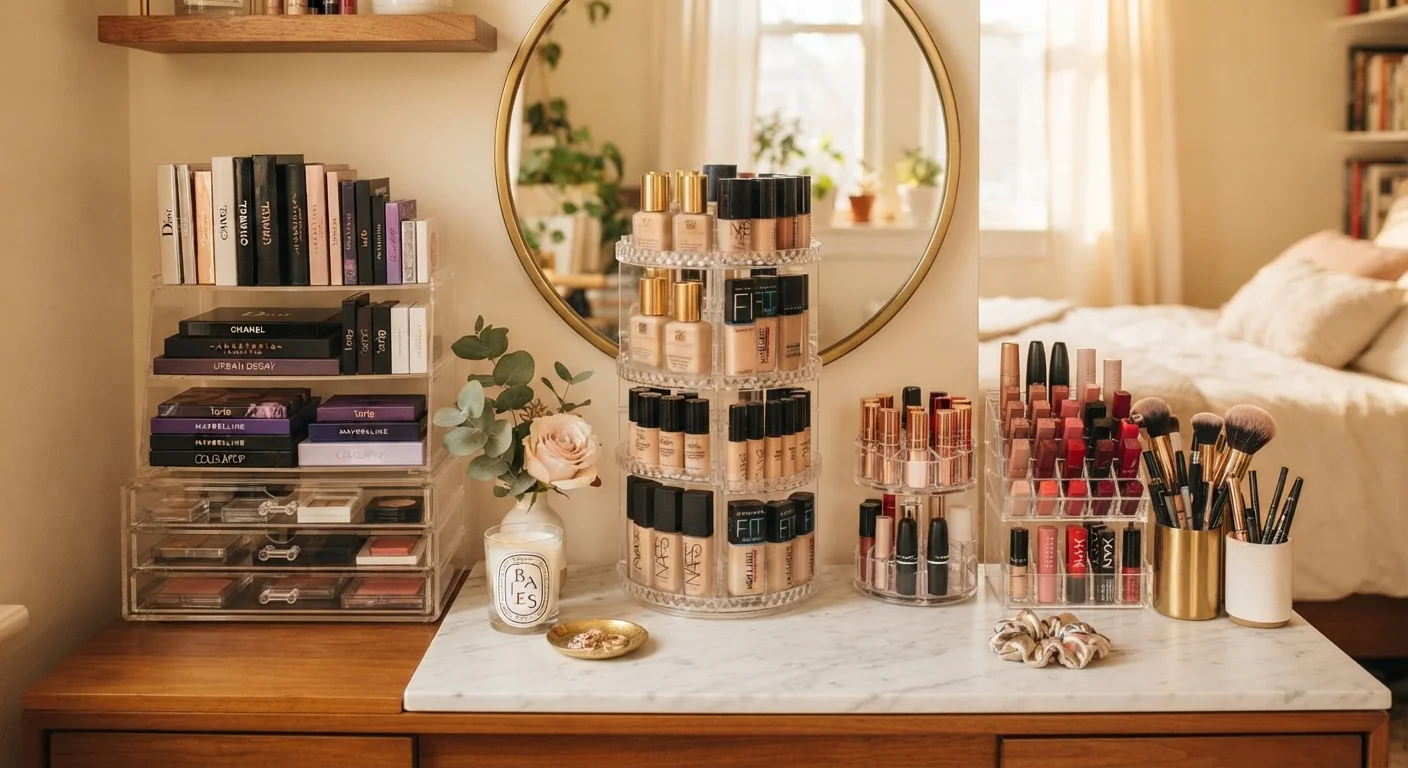
Most importantly: keep notes. A product that doesn't work as a direct dupe might be perfect for a different use case or skin type. Your findings help you and potentially others in beauty communities who are doing the same research.