
The Complete Guide to Buying and Collecting Books Without Overspending
A thorough, end-to-end resource covering every strategy, channel, and pitfall involved in building a reading life on a realistic budget.
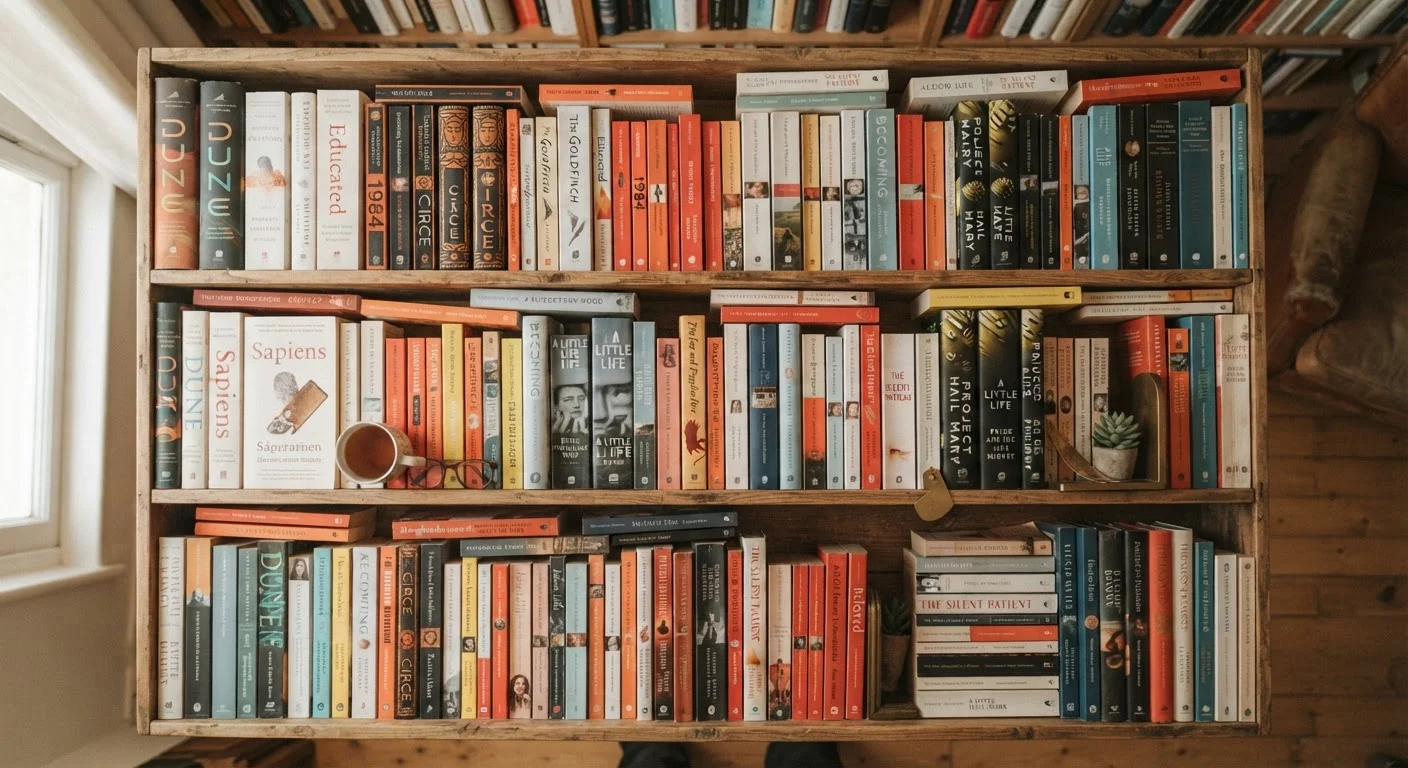
Photo: SaverSteals.com | Explore More. Shop Smarter. editorial
—— In This Article
Key Takeaways
- Libraries - physical and digital - remain the most underused free reading resource available to most US residents.
- Secondhand channels like thrift stores and library sales routinely offer books for under a dollar.
- E-book pricing fluctuates significantly; patience and price-tracking tools can reduce costs substantially.
- Collecting and reading are different habits - clarifying your goal prevents unnecessary spending.
- Publisher-direct programs and open-access archives provide legitimate free content across many genres.
Know Where Books Actually Get Cheap
Most readers overpay not from lack of effort, but from shopping in only one or two channels. Book pricing varies enormously depending on format, age, and source - understanding that landscape is step one. If you're newer to discount book shopping, the full beginner's overview covers foundational approaches worth reading alongside this guide.
In general, prices follow a predictable pattern: new hardcovers command the highest prices, trade paperbacks come in lower, and mass-market paperbacks lower still. Digital editions often undercut print on backlist titles but can match or exceed print pricing on new releases. The further a title is from its publication date, the more options open up.
1.3 billion
Physical books borrowed from US libraries annually
According to the American Library Association's annual statistics, physical circulation alone exceeds one billion loans per year across US public libraries.
$0.25-$2
Typical price per book at library sales
Friends of the Library organizations across the US commonly price donated books in this range at seasonal and annual sales events.
6 million+
Free e-books via Project Gutenberg
Project Gutenberg hosts over six million digitized public-domain books available at no cost in multiple formats.
Free and Near-Free Reading Channels
Your public library card is the single most powerful budget reading tool in existence, and most cardholders use only a fraction of what it offers. Beyond physical loans, most US library systems provide access to digital lending platforms such as OverDrive (via the Libby app) and hoopla, which offer e-books and audiobooks at no cost. For a comprehensive breakdown of stacking these tools effectively, see our guide on combining library apps, archives, and open access.
Project Gutenberg and the Internet Archive provide legal access to tens of thousands of public-domain titles - anything published before 1928 in the US is generally available. Standard Ebooks, a volunteer-driven project, produces carefully formatted versions of public-domain works that read well on modern devices. For broader context on free reading options, the Free Reading Options hub is a useful starting point.
Place library holds on titles the moment you hear about them - not when you're ready to read. By the time interest peaks, wait lists on popular titles can stretch weeks or months.
High-demand new releases often accumulate hundreds of holds at urban library systems shortly after publication, making early placement a practical time-saver.
At library book sales, arrive on the last day rather than the first. Many sales offer bag deals or drastically reduced prices on remaining inventory to clear stock before closeout.
This strategy is well-known among regular library sale attendees and can reduce per-book cost to near zero, though selection is naturally thinner.
Secondhand and Physical Discount Sources
Thrift stores, library book sales, and used bookshops remain among the most reliable sources for sub-dollar paperbacks and lightly used hardcovers. Library sales in particular - often held seasonally - can yield well-maintained books for $0.25 to $1.00 each. Friends of the Library organizations in most US cities run these events, and many post schedules publicly.
Online used-book marketplaces connect buyers with individual sellers and independent dealers, often with copies in acceptable or good condition priced well below retail. Condition grading varies between sellers, so it pays to read individual seller descriptions carefully rather than relying solely on the platform's condition label. Estate sales and garage sales are inconsistent but occasionally exceptional - particularly for nonfiction, classics, and older genre fiction.
Digital Book Pricing and How to Use It
E-book prices are not fixed. Publishers and retailers adjust pricing frequently, and titles cycle through promotional windows - often coinciding with a sequel release, an author's anniversary, or a platform promotion. Free browser extensions and dedicated price-tracking websites monitor e-book prices across major retailers and send alerts when a title drops. Setting up tracking for titles on your wish list costs nothing and requires minimal upkeep.
Many public libraries also offer e-book lending through platforms like Libby, meaning a title you've been waiting on may already be borrowable at no cost. If a wait list is long, placing a hold early and borrowing a different title in the interim is a practical workaround.
Watch for DRM Restrictions on E-books
Most commercially purchased e-books include Digital Rights Management (DRM) protection, which ties the file to a specific platform or device ecosystem. If a retailer shuts down or you switch devices, access to purchased titles can become complicated. Borrowed library e-books are not affected by this issue in the same way - another reason borrowing often makes more practical sense than buying digital.
Building a Collection Without the Clutter Tax
There's a meaningful difference between reading and collecting. Readers prioritize access; collectors prioritize ownership. Both are valid, but mixing the two goals without awareness leads to overspending and overcrowding. Before purchasing a physical book, it's worth asking: do I want to re-read this, lend it, or display it? If the honest answer is none of those, borrowing is likely the smarter choice.
For genuine collectors focused on a niche - first editions, a specific author, a genre's history - condition and provenance matter far more than price alone. Learning to evaluate book condition accurately (bindings, foxing, remainder marks, dust jacket condition) is a skill that prevents costly mistakes at sales and auctions. Collecting strategies share something with other categories of mindful secondhand purchasing, much like the approach outlined in secondhand clothing guides.
Common Pitfalls to Avoid
Subscription services for e-books or audiobooks can appear cost-effective but frequently aren't for light-to-moderate readers. Calculate how many titles you actually finish per month before committing. A library card with digital lending access often provides equivalent value for free.
Impulse buying at book sales is real. It's easy to fill a bag at $0.50 per book and spend $15 on titles you'll never read. A short mental checklist - genre fit, reading likelihood within six months, shelf space - prevents accumulation for its own sake. The goal is a reading life that's sustainable and genuinely enjoyable, not a storage problem dressed up as a hobby.

Books Editorial Team
Books Editorial Team is the collective byline for our editorial team and contributor network. Articles published under this byline or an editorial pen name are researched, written, and reviewed according to our editorial standards for clarity, consistency, and independence before publication.
View author profile