
Book Subscription Services: What You Get, What You Don't
Subscription reading services promise unlimited access, but limitations exist. A balanced look at the advantages and drawbacks for budget readers.
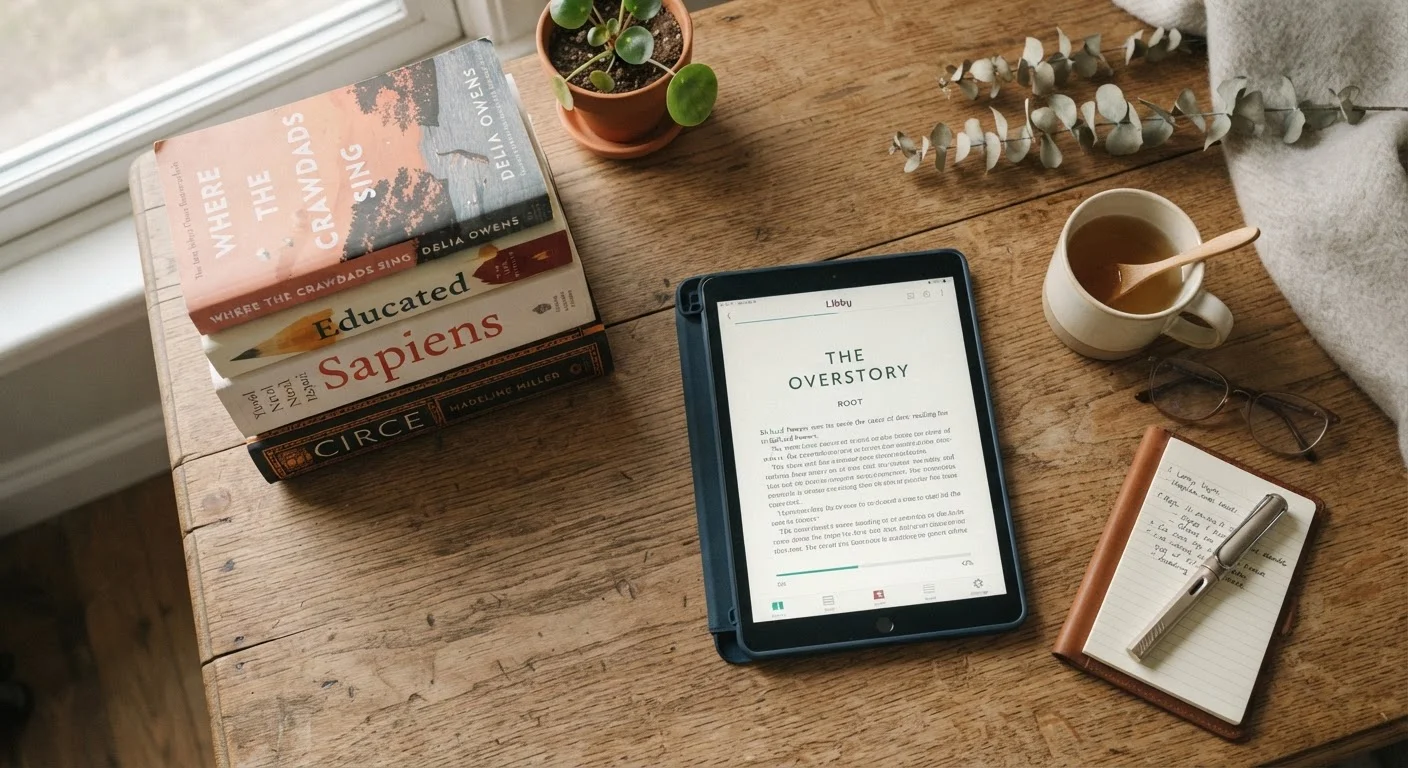
Photo: SaverSteals.com | Explore More. Shop Smarter. editorial
—— In This Article
Key Takeaways
- Subscription reading services provide broad catalog access but rarely include the newest releases.
- Monthly fees add up - a service is only cost-effective if you read frequently enough to justify it.
- Catalog depth varies significantly between services; a title available on one may be absent from another.
- Free library-based alternatives exist and may already cover your reading needs at no cost.
- Cancellation is usually straightforward, but downloaded titles typically disappear once you unsubscribe.
Flat fee covers unlimited reading each month
For readers who finish multiple books monthly, the per-book cost on a subscription often drops below what individual purchases would total, even when buying discounted ebooks.
Wide catalog encourages low-risk discovery
Sampling unfamiliar authors or genres costs nothing extra within a subscription, making it easier to branch out without financial risk.
Fewer wait times than public library holds
Popular titles on library apps can have long digital holds queues; subscription catalogs are generally available on demand, without waiting.
Audiobook access at a fraction of individual purchase cost
Individual audiobooks can cost $20-$35 each; subscription or credit-based services reduce the effective per-title cost substantially for regular listeners.
New releases are routinely excluded from catalogs
Major publishers often withhold recent titles from subscription platforms, meaning readers focused on current releases will find significant gaps in what's available.
Access disappears entirely when you cancel
Unlike purchased ebooks, titles read through a subscription service are not owned - canceling means losing immediate access to everything in your reading queue.
Monthly cost adds up even in low-reading months
A service that delivers value when you read heavily becomes an expense drain during busy periods when your reading pace slows.
Catalog overlap with free library apps can be high
Depending on your library system, apps like Libby and Hoopla may already offer many of the same backlist titles available on paid services, at no cost.
Digital-only format excludes print readers
Subscription services are app-based by design; readers who prefer physical books receive no functional benefit from the service.
What Book Subscription Services Actually Offer
Book subscription services - broadly defined - fall into two categories: digital reading access (unlimited ebook and audiobook streaming for a monthly fee) and physical book clubs (curated boxes shipped to your door). This article focuses primarily on digital access services, since that's where most of the "unlimited reading" marketing lives.
Digital services typically grant access to a catalog of tens of thousands to hundreds of thousands of titles. You pay one flat monthly fee and can read as much as you like from that pool. On the audiobook side, some services work differently - offering a set number of credits per month rather than truly unlimited listening.
Physical subscription boxes work more like curated retail: you receive one to three books monthly, often with themed extras. These are generally not discounted enough to compete with library options, but some readers find value in the discovery and gifting experience.
Before committing to any paid service, it's worth running through the free alternatives checklist - you may already have access to what you need through existing library apps or open platforms.
The Real Advantages
Flat fee covers unlimited reading each month
For readers who finish multiple books monthly, the per-book cost on a subscription often drops below what individual purchases would total, even when buying discounted ebooks.
Wide catalog encourages low-risk discovery
Sampling unfamiliar authors or genres costs nothing extra within a subscription, making it easier to branch out without financial risk.
Fewer wait times than public library holds
Popular titles on library apps can have long digital holds queues; subscription catalogs are generally available on demand, without waiting.
Audiobook access at a fraction of individual purchase cost
Individual audiobooks can cost $20-$35 each; subscription or credit-based services reduce the effective per-title cost substantially for regular listeners.
The strongest case for a paid subscription is convenience paired with volume. If you reliably read three or more books a month, a flat monthly fee can cost less per book than buying individually - even at sale prices. Audiobook subscribers in particular tend to see clearer value, since individual audiobook prices are often steep.
Discovery is another genuine benefit. Broad catalogs make it easy to sample authors or genres you wouldn't risk money on, which matters when you're trying to stretch a reading budget. The free reading options hub covers no-cost alternatives, but paid services do tend to have fewer wait times than public library holds queues.
The Real Drawbacks
New releases are routinely excluded from catalogs
Major publishers often withhold recent titles from subscription platforms, meaning readers focused on current releases will find significant gaps in what's available.
Access disappears entirely when you cancel
Unlike purchased ebooks, titles read through a subscription service are not owned - canceling means losing immediate access to everything in your reading queue.
Monthly cost adds up even in low-reading months
A service that delivers value when you read heavily becomes an expense drain during busy periods when your reading pace slows.
Catalog overlap with free library apps can be high
Depending on your library system, apps like Libby and Hoopla may already offer many of the same backlist titles available on paid services, at no cost.
Digital-only format excludes print readers
Subscription services are app-based by design; readers who prefer physical books receive no functional benefit from the service.
The catalog limitation is the most significant catch. New releases - especially from major publishers - are routinely excluded or delayed on subscription platforms. If your reading list skews toward current titles, a subscription will frustrate you quickly.
There's also the sunk-cost trap: subscribers sometimes read more than they want to in order to "get their money's worth," which turns a leisure activity into an obligation. And once you cancel, access to everything you've been reading disappears immediately - unlike a book you own outright.
For a broader look at how paid and free digital options compare, the honest tradeoffs of free ebook platforms article walks through similar catalog and format limitations on the no-cost side.
~$10-$15
Typical monthly cost for digital reading access
Most major digital subscription services in the US price their base tier in this range, making annual costs roughly $120-$180 before any promotional pricing.
2-3 books
Monthly reads needed to break even
At average ebook prices of $5-$8, a reader needs to finish at least two to three titles per month to match what individual purchases would cost.
How to Evaluate Whether a Service Is Worth It for You
Run a simple calculation before subscribing: look at the books you've read over the past three months and check how many would actually be available on the service you're considering. Most services allow browsing without an account. If fewer than half your recent reads appear in the catalog, the value proposition weakens considerably.
Also consider your reading format preferences. Most subscription services are app-based, which means reading on a phone, tablet, or e-reader - not a physical book. If you prefer print, a subscription adds no value to your actual reading experience.
Catalog Coverage Varies Significantly
No two subscription services carry the same titles. A book readily available on one platform may be entirely absent from another. Before subscribing, search for the specific authors and genres you read most - not just a general title count. Publisher licensing agreements determine what appears on each service, and these agreements change over time.
Readers who already use library apps like Libby or Hoopla alongside free digital archives may find that combining those free reading tools covers most of their needs without any monthly fee. It's worth auditing what you already have access to before adding another subscription to your budget.
One last thing to watch: small habits that undercut free reading routines - like ignoring holds queues or sticking to a single platform - apply equally to paid services. Failing to actually use a subscription you're paying for is one of the most common ways readers waste money on books.

Books Editorial Team
Books Editorial Team is the collective byline for our editorial team and contributor network. Articles published under this byline or an editorial pen name are researched, written, and reviewed according to our editorial standards for clarity, consistency, and independence before publication.
View author profile