
Skincare Myths That Keep You Spending More Than You Need To
From 'expensive means effective' to 'natural is always safer' — these persistent myths shape spending habits in ways the evidence doesn't support.
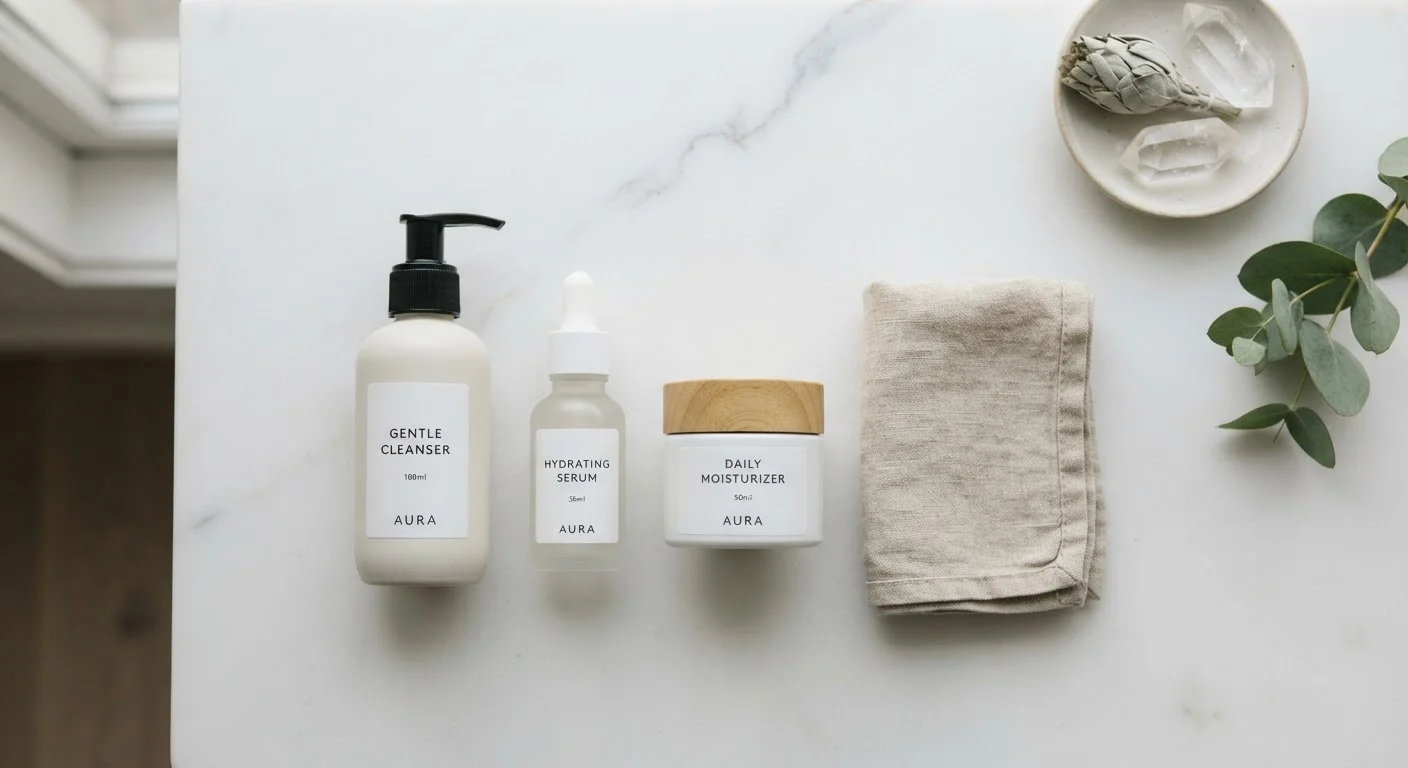
Photo: SaverSteals.com | Explore More. Shop Smarter. editorial
—— In This Article
Key Takeaways
- Price does not reliably predict a skincare product's efficacy - active ingredients and concentration matter more.
- Many drugstore formulas contain the same clinically studied ingredients found in prestige products.
- "Natural" is not a regulated claim and does not automatically mean safer or more effective.
- More products in your routine can increase irritation risk without improving results.
- Expiration dates and packaging integrity affect performance regardless of what a product costs.
Why Skincare Myths Cost You Real Money
Skincare marketing is sophisticated. Concepts like "luxury actives," "science-backed complexes," and premium packaging create a strong perception that spending more equals better skin. But dermatological research consistently points to a simpler truth: what matters most is which ingredients are present, at what concentration, and whether the formulation is stable enough to deliver them.
These myths don't just shape buying decisions in the moment - they accumulate into routines that cost significantly more than necessary. Understanding where the evidence actually lands is the first step toward spending with more confidence. For a broader look at how marketing nudges inflate your cart, see common overspending traps in the beauty aisle.
Myth
A higher price tag means a more effective product.
Fact
Price reflects marketing, packaging, and brand positioning far more reliably than it reflects ingredient quality or clinical efficacy.
Cosmetic chemists are consistent on this point: the active ingredients responsible for measurable skin benefits - retinoids, niacinamide, hyaluronic acid, vitamin C derivatives - are available across a wide range of price points. A product's cost is shaped by advertising spend, celebrity partnerships, bottle design, and retailer margins. None of those factors influence what the formula does once it reaches your skin. Comparing ingredient lists rather than price tags is a more evidence-grounded approach to product selection.
Myth
"Natural" ingredients are always safer and gentler than synthetic ones.
Fact
"Natural" is not a regulated term in US cosmetics labeling, and many natural ingredients are common allergens or irritants.
Essential oils, botanical extracts, and plant-derived fragrances are among the most frequent causes of contact dermatitis identified in dermatology literature. Meanwhile, many synthetic ingredients - such as lab-produced niacinamide or synthetic ceramides - are well-studied, stable, and formulated to minimize irritation. The origin of an ingredient (natural vs. synthetic) tells you little about its safety profile. Patch-testing and checking for known sensitizers matters more than whether something came from a plant.
Myth
You need a separate, specialized product for every skin concern.
Fact
Many concerns - hydration, barrier support, mild brightening - can be addressed by a small number of well-formulated multi-tasking products.
The idea that each skin concern demands a dedicated SKU drives routine complexity and spend without proportional benefit. In practice, a broad-spectrum SPF, a moisturizer with proven humectants, and a single targeted active (such as a retinoid or an AHA) cover the core of what evidence supports for most people. Adding more products increases the chance of ingredient conflicts and skin barrier disruption. Single-use and highly specialized products add up quickly in both cost and waste.
Myth
Drugstore products use inferior formulations that won't deliver results.
Fact
Many mass-market products are developed by the same contract manufacturers and cosmetic chemists who supply prestige brands.
The cosmetics industry relies heavily on contract manufacturing, meaning formulation expertise is not exclusive to high-end brands. Regulatory requirements under the FDA's cosmetic guidelines apply equally to a $6 cleanser and a $60 one. Peer-reviewed studies on ingredients like glycerin, petrolatum, and zinc oxide - all commonly found in drugstore products - demonstrate meaningful, well-documented skin benefits. The evidence base for many affordable formulations is stronger than marketing narratives suggest.
Myth
More steps in a skincare routine always produce better results.
Fact
Routine complexity beyond a proven core is associated with higher rates of irritation and diminishing returns in most skin types.
Dermatology guidelines for general skin health typically center on cleansing, moisturizing, and daily sun protection - a three-step framework supported by considerable clinical consensus. Every additional product introduces new ingredients, potential incompatibilities, and a higher cumulative sensitization risk. Multi-step routines may serve specific, targeted concerns under professional guidance, but as a default strategy, they often generate spending without generating proportionate skin benefit.
Building a Smarter, Leaner Routine
Once the myths are cleared away, a practical pattern emerges: fewer, well-chosen products with documented actives will serve most skin types better than a crowded shelf of prestige items. Dermatologists routinely note that layering too many products - regardless of their individual quality - can compromise the skin barrier rather than strengthen it.
~80%
Skincare products share key active ingredients
Cosmetic chemists frequently note that the majority of functional actives in skincare - including humectants, emollients, and occlusives - appear across both mass-market and prestige product lines.
Top 3
Most common causes of contact dermatitis in cosmetics
According to dermatology literature, fragrances, preservatives, and botanical extracts - many of which are marketed as "natural" - consistently rank among the leading triggers of allergic skin reactions.
Ingredient labels are your most reliable tool. If a drugstore moisturizer lists the same humectants and occlusives as a product at five times the price, the functional difference may be negligible. Affordable moisturizers are often more capable than their price suggests - the key is knowing what to look for on the label.
For readers ready to act on this, building a minimal skincare routine is a practical next step that applies these principles directly to product selection and routine structure.

Beauty Editorial Team
Beauty Editorial Team is the collective byline for our editorial team and contributor network. Articles published under this byline or an editorial pen name are researched, written, and reviewed according to our editorial standards for clarity, consistency, and independence before publication.
View author profile