
Why Your Affordable Moisturiser May Be Doing More Than You Think
Budget moisturisers are often dismissed, but several contain clinically recognised humectants and occlusives. Here's what to look for.
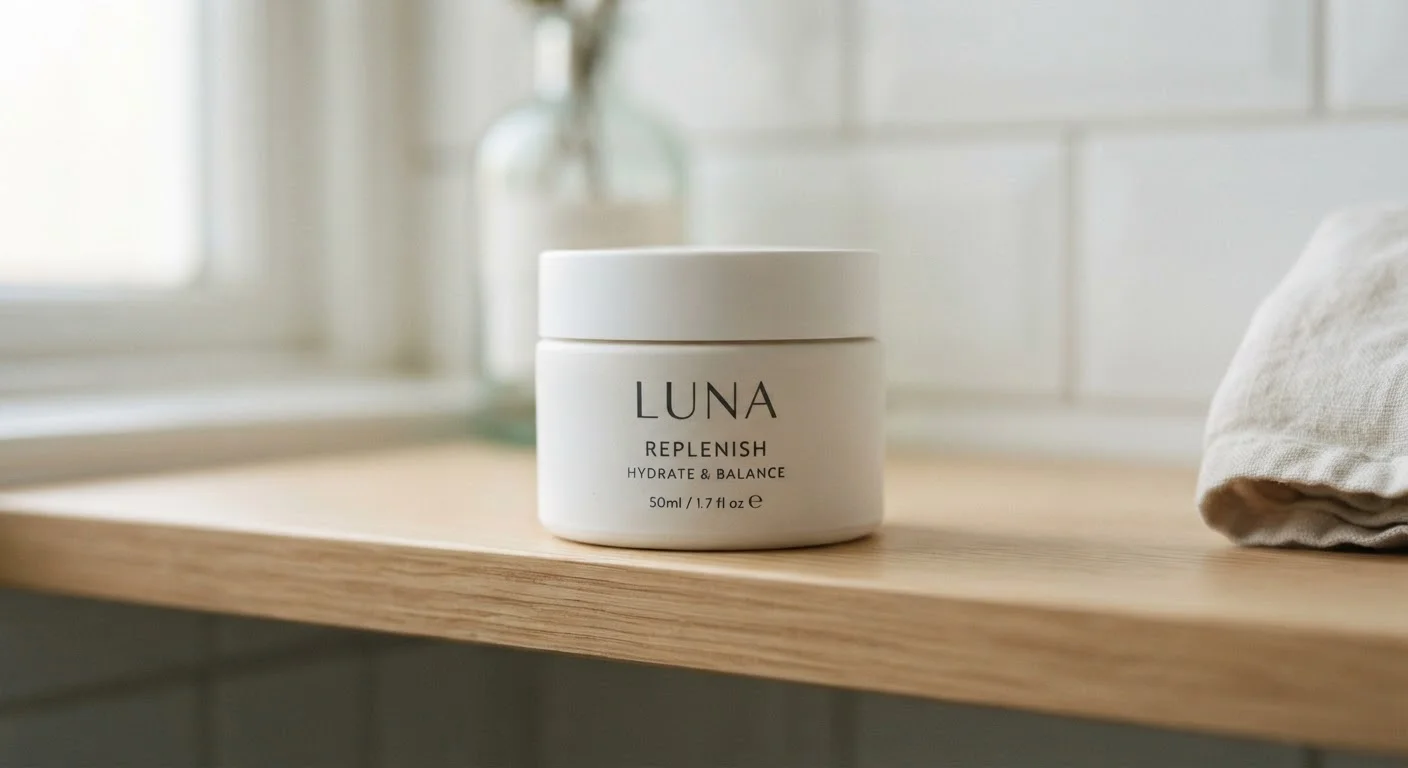
Photo: SaverSteals.com | Explore More. Shop Smarter. editorial
Key Takeaways
- Budget moisturisers frequently contain the same humectants and occlusives found in luxury formulas.
- Price is not a reliable indicator of a moisturiser's effectiveness or ingredient quality.
- Reading the ingredient list is a more useful guide than price point or packaging.
- Some inexpensive formulas carry a longer clinical evidence base than newer costly alternatives.
- Understanding humectants, occlusives, and emollients helps you shop more deliberately.
What Moisturisers Are Actually Doing to Your Skin
Most moisturisers work through three mechanisms: attracting water to the skin (humectants), preventing water from escaping (occlusives), and smoothing the surface texture (emollients). Understanding these categories transforms how you read a product label - and quickly reveals that price is rarely the distinguishing factor between formulas that work and those that don't.
Ingredients like glycerin and urea have decades of peer-reviewed research behind them. Both are inexpensive to manufacture and appear regularly in affordable products. Hyaluronic acid, often marketed as a luxury skincare compound, is similarly cost-effective to produce and found across price tiers. The question worth asking is not what the product costs, but whether the label reflects an appropriate combination of functional ingredients for your skin type.
Myth
A cheap moisturiser must use inferior ingredients - that's why it costs less.
Fact
Many affordable moisturisers use the same cosmetic-grade glycerin, hyaluronic acid, and ceramides as prestige formulas. Cost differences often reflect marketing, packaging, and brand positioning rather than ingredient quality.
Ingredient sourcing and cosmetic-grade standards apply across price points. Glycerin, one of the most well-researched humectants in dermatology, is inexpensive to produce and widely available. When you see it listed high on the label of a drugstore moisturiser, that placement is meaningful - ingredients are listed in descending order of concentration.
Myth
If a moisturiser doesn't have a long list of 'active' ingredients, it isn't doing much.
Fact
A shorter, focused ingredient list can indicate a well-formulated product. The core functions of a moisturiser - hydrating, sealing moisture in, and softening skin - require relatively few ingredients done well.
The three main categories of moisturising agents are humectants (which attract water, such as glycerin and hyaluronic acid), occlusives (which create a barrier to prevent moisture loss, such as petrolatum and dimethicone), and emollients (which smooth the skin's surface, such as squalane and fatty alcohols). An effective moisturiser doesn't need dozens of extras - it needs the right combination of these functional categories for your skin type.
Myth
Natural or plant-based ingredients in expensive creams are more effective than synthetic ones in budget options.
Fact
Effectiveness is determined by a molecule's function and concentration, not its origin. Several synthetic ingredients have stronger clinical evidence behind them than their plant-based equivalents.
Petrolatum, a synthetic occlusive, remains one of the most studied and effective moisture-barrier ingredients available. In contrast, some trending botanical extracts have limited peer-reviewed evidence for their claimed benefits. This isn't an argument against plant-based ingredients - many perform well - but origin alone is not a proxy for efficacy. Several persistent skincare myths around 'natural equals better' can quietly inflate spending without improving results.
Myth
Affordable moisturisers are only suitable for normal skin - sensitive or dry skin needs something more sophisticated.
Fact
Some dermatologist-recommended formulas for sensitive and dry skin are deliberately simple and low-cost. Fewer ingredients can actually reduce the risk of irritation.
Dermatologists frequently recommend fragrance-free, simple-formula moisturisers for conditions like eczema and rosacea - and many such products sit at the lower end of the price spectrum. Ceramide-based formulas, for instance, are widely available at drugstore prices and are considered clinically appropriate for compromised skin barriers. Before assuming a skin concern requires a premium product, it is worth checking whether the same active ingredients appear in an accessible option.
Myth
You need a separate day cream, night cream, and eye cream to address different skin needs.
Fact
Many of these products share overlapping formulas. A well-chosen single moisturiser can often serve multiple purposes depending on skin type and concerns.
The idea that skin requires entirely different formulas by time of day is largely a marketing construct. While some ingredients (like certain SPF agents) are genuinely suited to daytime use, the moisturising functions of most day and night creams are chemically similar. Buying multiple products with redundant ingredients adds cost without necessarily adding benefit - something worth considering before adding another product to your routine.
Reading Labels More Effectively
Cosmetic ingredients in the US are listed on product labels in descending order of concentration (by weight). This means a glycerin-first formula - regardless of its retail price - likely delivers meaningful hydration. Conversely, a premium product that lists a trending botanical extract near the bottom of a long ingredient deck may contain only trace amounts of that ingredient.
~80%
Moisturiser function from a few core ingredient types
Dermatological consensus holds that the primary moisturising work is done by humectants, occlusives, and emollients - three categories that do not require a lengthy or expensive ingredient list.
Top 5
Label positions where key ingredients should appear
Because cosmetic labels list ingredients by descending concentration, the first five entries typically account for the bulk of a formula's functional composition.
It is also worth noting that fragrance, whether synthetic or natural, is a common cause of contact dermatitis and serves no functional skincare purpose. Avoiding it in a moisturiser is a genuinely evidence-backed choice - and many fragrance-free options are available at accessible price points.
For a broader look at how to approach affordable purchases with confidence, this guide to making budget beauty purchases last covers packaging, shelf life, and formula compatibility. And if you want to extend your savings further, beauty coupons and loyalty programs can reduce costs even on already-affordable products.

Beauty Editorial Team
Beauty Editorial Team is the collective byline for our editorial team and contributor network. Articles published under this byline or an editorial pen name are researched, written, and reviewed according to our editorial standards for clarity, consistency, and independence before publication.
View author profile