
Building a Minimal Skincare Routine That Doesn't Require a Full Shelf
A streamlined skincare routine can be just as effective as a 10-step one. Here's how to identify what your skin actually needs.
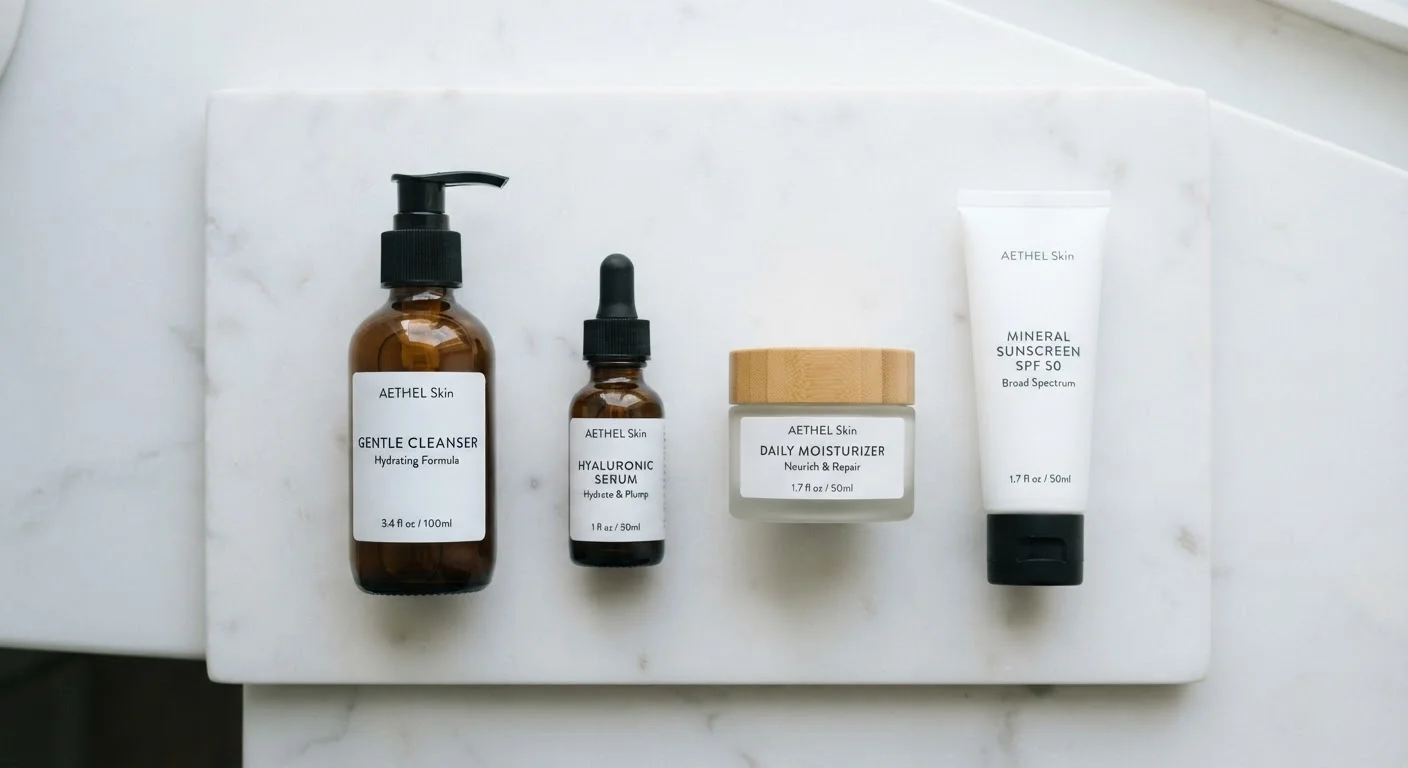
Photo: SaverSteals.com | Explore More. Shop Smarter. editorial
—— In This Article
Key Takeaways
- Most skin types need only three to four products: a cleanser, moisturizer, sunscreen, and targeted treatment.
- Drugstore formulas often share the same active ingredients as premium counterparts at a fraction of the cost.
- Identifying your skin type before shopping prevents wasted spending on products that don't suit you.
- Patch-testing new products reduces the risk of reactions and costly mistakes.
- A smaller routine is easier to stay consistent with, which matters more than product count.
Why Fewer Products Often Work Better
The skincare industry benefits when consumers believe more products equal better results. In practice, layering many formulas increases the likelihood of ingredient interactions, skin barrier disruption, and wasted spending. A well-chosen three- or four-step routine addresses the same core needs - cleansing, hydration, sun protection, and optional targeted treatment - that a ten-step routine does, without the complexity or cost.
This is particularly relevant for budget-conscious shoppers. When you understand what your skin actually needs, you can focus spending on two or three well-formulated products rather than diluting your budget across a cluttered shelf. For a broader look at where beauty marketing distorts spending habits, see our piece on skincare myths that keep you spending more than you need to.
What you will need
Gentle, fragrance-free cleanser
Removes dirt, oil, and makeup without stripping the skin's natural moisture barrier.
Broad-spectrum SPF 30+ sunscreen
Protects against UV-induced damage, the leading cause of premature skin aging.
Basic moisturizer suited to your skin type
Maintains hydration and supports the skin barrier throughout the day.
Single targeted treatment (e.g., niacinamide serum or salicylic acid)
Addresses one specific concern - such as uneven tone or congestion - without overloading the skin.
How to Follow This Routine
The steps below walk you through building a minimal, effective skincare routine from scratch - including how to audit what you already have, identify what your skin genuinely needs, and choose affordable products that deliver on their active ingredients without requiring a prestige price tag.
Audit what you already own
Before buying anything new, lay out every skincare product you currently use. Check expiration dates, note which products you reach for daily versus rarely, and discard anything past its shelf life or that has caused irritation. This step alone often reveals that you already own most of what you need.
Define your actual skin concerns
Be specific. Rather than listing every imperfection, identify your primary concern - whether that's dryness, oiliness, acne, or sensitivity. A minimal routine is built around one or two targeted goals, not a wishlist. If you're unsure of your skin type, a clean face 30 minutes after washing (no products applied) will show you: tightness suggests dry skin, shine across the entire face suggests oily, and shine only in the T-zone points to combination.
Build around three non-negotiables
Every effective minimal routine rests on the same foundation: a cleanser, a moisturizer, and a sunscreen. Each serves a distinct function and cannot reliably be replaced by another product. Look for fragrance-free formulations, particularly if your skin is reactive, as fragrance is one of the most common contact irritants in skincare.
Add one optional treatment - and only one
If your primary concern isn't resolved by cleansing, moisturizing, and sun protection alone, introduce a single active ingredient. Common, well-researched options available in drugstore formulations include:
- Niacinamide - for uneven tone and excess sebum
- Salicylic acid - for congested pores and mild acne
- Hyaluronic acid - for an additional layer of hydration
- Azelaic acid - for redness and post-inflammatory marks
Introducing more than one active at the same time makes it impossible to identify what's working or causing a reaction.
Patch-test before committing
Apply a small amount of any new product to the inside of your forearm or behind your ear for two to three days before using it on your face. This simple step can prevent a full-face reaction that wastes both product and money. Once confirmed safe, introduce the new product into your routine for at least four weeks before evaluating its effect - skin cell turnover takes time.
Evaluate and resist the urge to expand
After four to six weeks with your streamlined routine, assess your skin honestly. If your primary concern has improved, your routine is working - there is no evidence that adding more products will accelerate results. If the concern is unchanged, consider whether the chosen active ingredient is appropriate for it, or whether a dermatologist's input would help. Consistency with a small routine almost always outperforms inconsistency with a large one.
Consistency Beats Complexity Every Time
The dermatological consensus is that regular, daily use of a simple routine produces better long-term results than sporadic use of a sophisticated one. If your routine is quick and affordable, you're far more likely to stick with it. Think of minimalism as a strategy for compliance, not just cost savings.
For guidance on making affordable product choices that hold up over time - including how to read packaging and assess shelf life - see our article on making budget beauty purchases that actually last.
Finding Drugstore Alternatives That Match Prestige Formulas
The most reliable way to find a budget-friendly dupe is to compare active ingredient lists, not brand names or packaging. Skincare regulations require ingredients to be listed in descending order of concentration, so two products with the same first five ingredients are likely to perform similarly regardless of price point.
Niacinamide serums, ceramide moisturizers, and salicylic acid cleansers are all widely available at drugstores in concentrations that match or exceed those in prestige products. The key difference is usually fragrance, packaging, and marketing spend - not efficacy. If you want a more comprehensive framework for navigating affordable beauty from ingredient reading to realistic expectations, The Full Picture on Budget Beauty covers the full landscape.
Ingredient Concentration Still Matters
Not every drugstore product with a desirable ingredient delivers it at a useful concentration. A moisturizer that lists hyaluronic acid near the bottom of a 30-ingredient formula may provide little measurable benefit. When comparing products, look for key actives listed within the first half of the ingredients list to increase the likelihood of meaningful potency.

Beauty Editorial Team
Beauty Editorial Team is the collective byline for our editorial team and contributor network. Articles published under this byline or an editorial pen name are researched, written, and reviewed according to our editorial standards for clarity, consistency, and independence before publication.
View author profile