
Retinol vs. Bakuchiol: Understanding the Budget-Friendly Alternative
Bakuchiol is often positioned as a gentler, plant-based retinol alternative. Here's what the research actually says about how they compare.
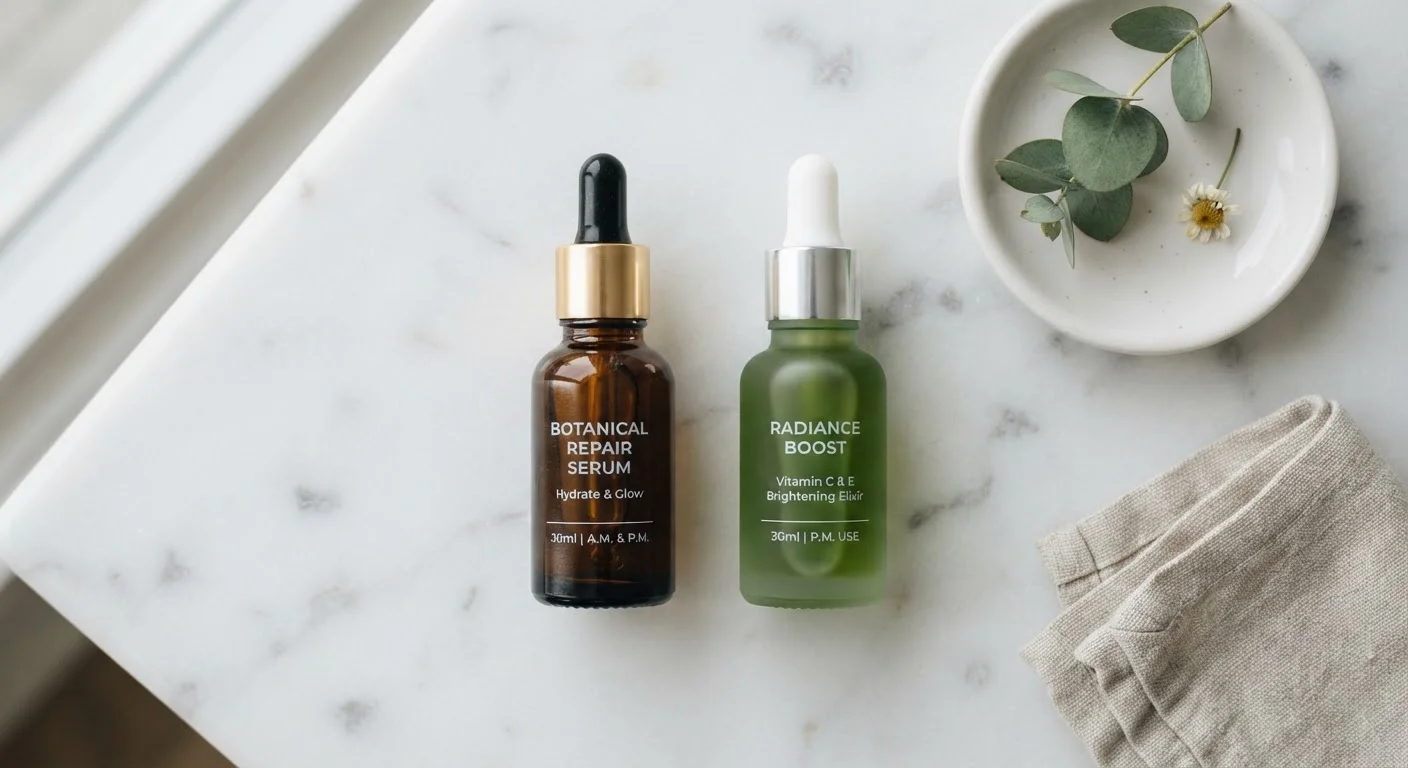
Photo: SaverSteals.com | Explore More. Shop Smarter. editorial
—— In This Article
Key Takeaways
- Retinol is a vitamin A derivative with decades of peer-reviewed research supporting its skin-renewal effects.
- Bakuchiol is a plant-based compound that activates some of the same skin pathways as retinol but through a different mechanism.
- Small clinical studies suggest bakuchiol may produce comparable results to low-dose retinol with less irritation.
- Retinol requires a gradual introduction period; bakuchiol is generally tolerated daily from the start.
- Both ingredients are available at a wide range of price points, including affordable drugstore options.
- Neither ingredient is a guaranteed fix - skin type, formulation quality, and consistency all affect outcomes.
What Each Ingredient Actually Is
Retinol is a form of vitamin A, part of a broader family of compounds called retinoids. When applied to skin, retinol converts into retinoic acid - the active form that binds to receptors in skin cells and influences how they behave. This process drives the collagen-stimulating and cell-turnover effects retinol is known for. Because the conversion happens in the skin itself, retinol is considered a gentler entry point than prescription-strength retinoic acid, though it still requires a careful introduction period.
Bakuchiol is derived from the seeds and leaves of the Psoralea corylifolia plant, used for centuries in Ayurvedic and traditional Chinese medicine. It is not a retinoid chemically, but research published in journals including the British Journal of Dermatology has shown it can activate retinol-like receptor pathways in the skin, influencing collagen production and cell turnover without converting to retinoic acid. This distinction matters: bakuchiol works via a different mechanism, which appears to account for its lower irritation profile.
| Criterion | Retinol | Bakuchiol |
|---|---|---|
| Origin | Vitamin A derivative (synthetic/natural) | Plant-derived (Psoralea corylifolia) |
| Mechanism | Converts to retinoic acid in skin | Activates retinol-like receptors directly |
| Evidence base | Extensive, multi-decade research | Promising but limited long-term trials |
| Irritation risk | Moderate - adjustment period common | Low - generally well tolerated |
| Sun sensitivity | Increases photosensitivity; use SPF | Photostable; can be used AM or PM |
| Use frequency | Start 2-3x per week; build gradually | Daily use typically tolerated from start |
| Pregnancy considerations | Generally avoided; consult a doctor | Often cited as alternative; consult a doctor |
| Drugstore availability | Widely available at many price points | Growing availability; slightly fewer options |
What the Research Says - and Where the Gaps Are
Retinol's evidence base is substantial. Decades of dermatological research consistently link regular retinol use to measurable improvements in fine lines, skin texture, and hyperpigmentation. The breadth of this research gives consumers and clinicians a well-mapped picture of both benefits and side effects - including the well-documented adjustment phase involving dryness and flaking.
Bakuchiol's research is promising but narrower. A frequently cited 2019 randomised, double-blind trial in the British Journal of Dermatology found bakuchiol and retinol produced statistically comparable reductions in wrinkles and hyperpigmentation over 12 weeks, with bakuchiol causing significantly less skin irritation. However, the study was small (44 participants), and independent long-term trials are limited. Bakuchiol's evidence base is growing, but it has not yet matched the volume or follow-up duration of retinol research.
44
Participants in key bakuchiol vs. retinol trial
A 2019 randomised double-blind study in the British Journal of Dermatology compared the two ingredients over 12 weeks.
12 weeks
Trial duration showing comparable results
Both retinol and bakuchiol showed statistically similar reductions in wrinkles and hyperpigmentation over the study period.
For budget-conscious shoppers, both ingredients appear across price points - and understanding formulation quality matters as much as the ingredient itself. Our guide on navigating affordable beauty ingredients covers what to look for beyond the label.
Practical Differences in Daily Use
Retinol demands patience upfront. Most dermatologists recommend starting with a low concentration (0.025%-0.05%) two to three nights per week, increasing frequency gradually as skin adapts. Sun sensitivity is a real concern: using SPF daily is essential. Retinol also degrades in sunlight, so formulation matters - look for opaque or airtight packaging.
Bakuchiol is notably less demanding. It is photostable, meaning it does not break down in sunlight, and can be used morning or evening. Most users can apply it daily without an adjustment phase. It also layers compatibly with a broader range of other actives, including acids - something retinol users need to approach carefully to avoid over-exfoliation.
If you are building a budget-friendly routine, understanding how actives interact with your moisturiser is equally important. Our editorial on what affordable moisturisers actually do explains how barrier-supporting ingredients can work alongside actives like these. And for guidance on choosing products that hold up over time, see making budget beauty purchases last.
This article is for informational purposes only and does not constitute dermatological or medical advice. Consult a qualified skincare professional if you have specific skin health concerns.

Beauty Editorial Team
Beauty Editorial Team is the collective byline for our editorial team and contributor network. Articles published under this byline or an editorial pen name are researched, written, and reviewed according to our editorial standards for clarity, consistency, and independence before publication.
View author profile