
Shopping for Toys on a Budget: A Practical Starting Point
New to hunting for toy discounts? This guide walks through the core habits, tools, and timing strategies that budget-conscious shoppers rely on.
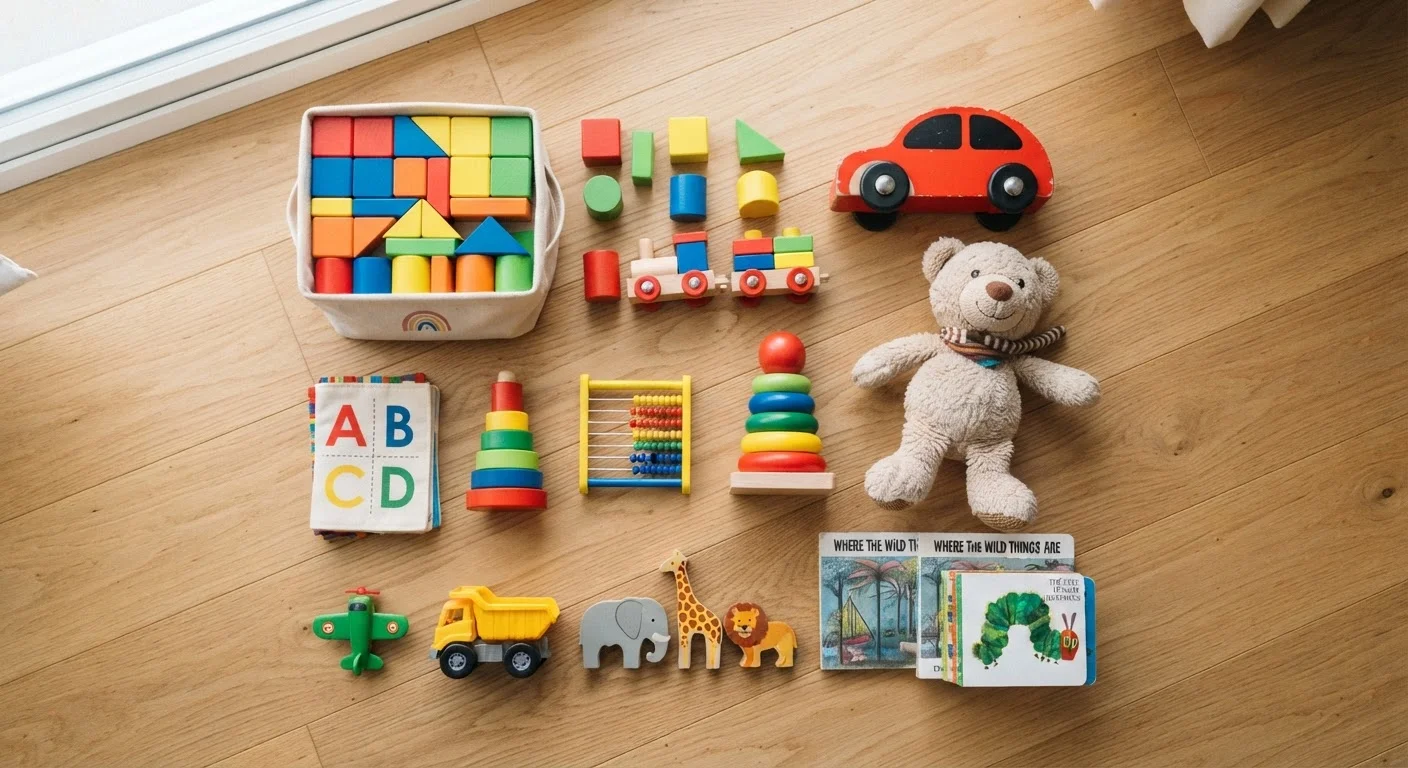
Photo: SaverSteals.com | Explore More. Shop Smarter. editorial
—— In This Article
Key Takeaways
- Toy prices are highly seasonal — the same item can cost significantly less in January than in December.
- Secondhand sourcing and off-peak timing are two of the most reliable ways to reduce toy spend.
- Price history tools help you separate genuine markdowns from inflated "sale" prices.
- Building a simple wish list before shopping prevents impulse buys during peak gifting seasons.
- Safety checks matter for used toys — look for recalled items before purchasing secondhand.
Why Toy Prices Move So Much
Toys are one of the more price-volatile retail categories. A single item can swing 30–50% in price over the course of a year, driven almost entirely by demand patterns rather than changes in the product itself. Understanding why this happens is the first step toward shopping around it.
The core driver is gift-giving concentration. A large share of annual toy purchases happen in the final two months of the year, which gives retailers confidence to hold full prices through that window. Once demand drops in January, the economics shift: warehouse space costs money, and clearing inventory becomes the priority.
Secondary spikes occur around other gift-giving occasions — birthdays, Easter, back-to-school season — but none are as sharp as the holiday peak. This means the calendar is genuinely useful as a shopping tool, not just a vague tip.
Post-holiday clearance
The period after major gift-giving holidays when retailers discount remaining inventory to free up warehouse and shelf space.
Price history
A record of how a product's listed price has changed over time, used to evaluate whether a current sale price is genuinely lower than usual.
Consignment sale
A selling event where individuals sell used items through a shared venue, typically with proceeds split between the seller and the organizer.
CPSC recall database
A publicly searchable database maintained by the U.S. Consumer Product Safety Commission that lists products recalled due to safety hazards.
Buy-nothing group
A local community group — often organized on social media — where neighbors give away items for free rather than selling them.
Category ceiling
A self-imposed spending limit applied to a specific product category, set in advance to prevent overspending during sales or gift-giving occasions.
The Timing Patterns Worth Knowing
If you take one thing from this guide, make it this: January is structurally one of the strongest months to buy toys. Post-holiday clearance routinely produces 40–70% reductions on items that were full-price six weeks earlier. The selection is narrower (popular items sell through fast), but the savings are real.
Other windows worth tracking:
- Post-Easter (April–May): Seasonal toy sets and activity kits often see clearance pricing.
- Late July – August: Some retailers rotate summer toy inventory ahead of back-to-school resets.
- The week after major shopping events: Prices frequently dip further in the days following major retail sale events as unsold stock gets marked down again.
For a more comprehensive breakdown of annual sale timing and how to verify that a marked-down price reflects a genuine reduction, the complete guide to finding legitimate toy discounts covers the full picture.
Use Price History Before You Buy
Before purchasing any toy listed as "on sale," look up its price history using a free browser extension or price-tracking site. Retailers sometimes raise baseline prices ahead of sale events, making the discount appear larger than it is. A quick history check takes under a minute and confirms whether you're actually getting a reduction.
Where to Look Beyond the Major Retailers
Major retailers are the obvious starting point, but they're rarely where the steepest savings happen outside of clearance windows. Expanding your sourcing channels is one of the most practical ways to stretch a toy budget year-round.
Secondhand options deserve serious consideration. Thrift stores, consignment sales, buy-nothing community groups, and estate sales all surface toys at a fraction of retail — often with minimal wear. The tradeoff is time investment and the need to verify safety. Always cross-reference secondhand purchases against the CPSC recall database before buying for young children, and inspect items carefully for broken parts or missing safety labels. The secondhand toys hub is a useful next stop for practical guidance on vetting used purchases.
Price history tools are equally important when shopping new. Browser extensions that display historical pricing data let you evaluate whether a listed sale price represents a real reduction or a temporarily inflated baseline. This habit applies just as well to other categories — the same logic underpins budget approaches for consumer electronics and furniture.
CPSC Recall Database
The U.S. Consumer Product Safety Commission's searchable database of recalled products, including toys. An essential check before purchasing any secondhand item for children.
Price History Browser Extensions
Free browser add-ons that display a product's historical pricing on retail sites, helping you verify whether a listed sale price represents a genuine markdown.
Complete Guide to Finding Legitimate Toy Discounts
A detailed resource covering sale timing, price verification, retailer behavior, and secondhand sourcing for toy shoppers looking to go deeper than the basics.
Building Habits That Keep Spending in Check
Timing and sourcing strategies only work if they're paired with a basic system for managing what you actually spend. Without that, a great clearance deal can still lead to overspending if you weren't planning to buy in the first place.
Two habits that consistently help:
- Maintain a running wish list. Before any shopping event, write down the specific items you're considering. Revisit the list after 48–72 hours. Items that still feel necessary after a cooling-off period are better candidates for purchase than ones grabbed in the moment.
- Set a category ceiling before gift-giving season. Decide in advance what you're willing to spend on toys for a given occasion, and treat that number as fixed. The guide to building a toy budget that holds through gift-giving season walks through this process step by step.
If you want additional approaches — from wish-list discipline to off-peak purchase timing — ways to cut toy spending without compromising quality or safety offers a practical set of methods that work alongside the strategies covered here.
Frequently Asked Questions

Toys Editorial Team
Toys Editorial Team is the collective byline for our editorial team and contributor network. Articles published under this byline or an editorial pen name are researched, written, and reviewed according to our editorial standards for clarity, consistency, and independence before publication.
View author profile