
The Complete Guide to Finding Legitimate Toy Discounts All Year Round
An end-to-end resource covering sale timing, price verification, retailer behaviour, secondhand options, and smart budgeting for toy purchases.
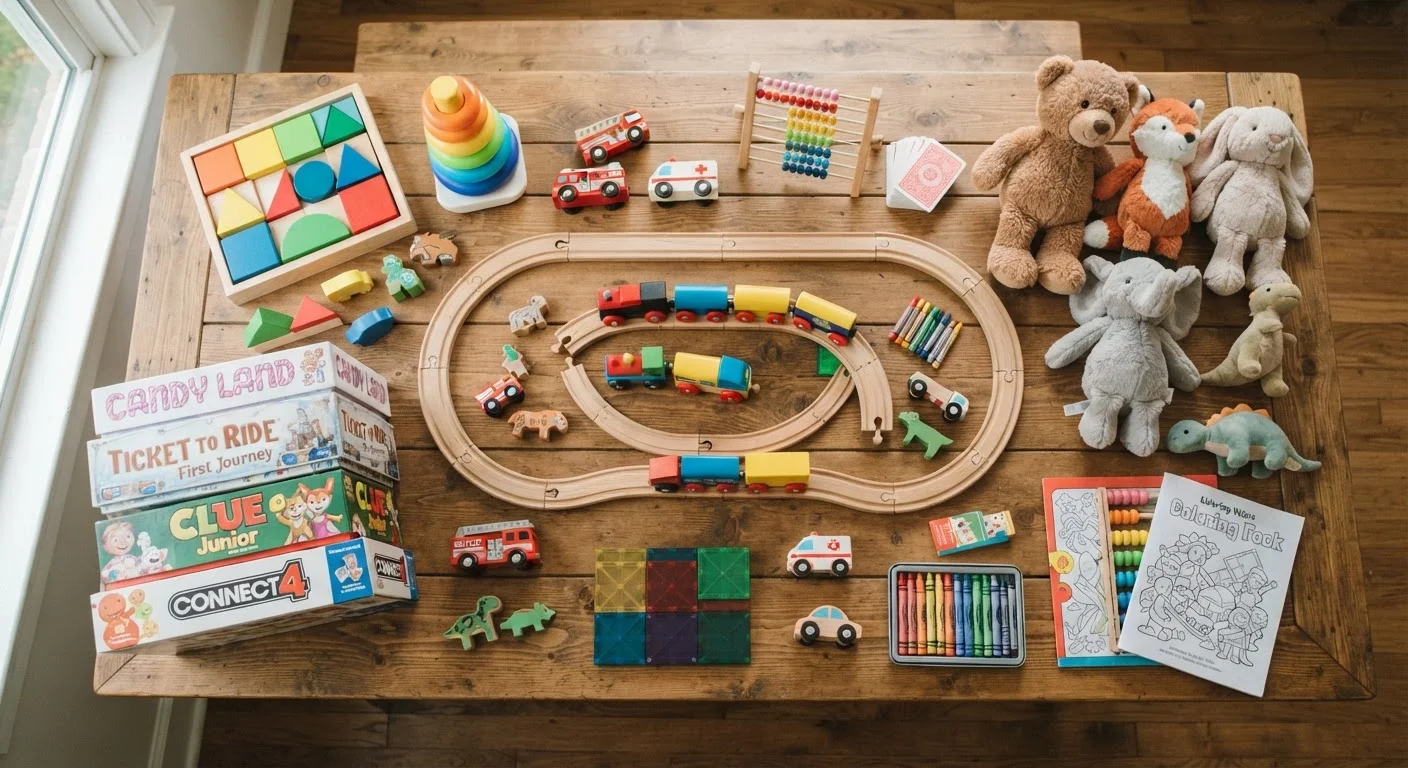
Photo: SaverSteals.com | Explore More. Shop Smarter. editorial
—— In This Article
Key Takeaways
- Genuine toy price drops follow predictable seasonal patterns tied to inventory cycles, not just marketing events.
- Price history tools are the most reliable way to confirm a discount is real before purchasing.
- Secondhand channels can offer 40–70% savings but require careful safety and recall checks.
- Spreading toy purchases across multiple sale windows reduces holiday budget pressure significantly.
- Retailer clearance events — not headline sales — typically produce the deepest discounts.
Understanding the Toy Pricing Cycle
Toy pricing isn't random. Retailers follow inventory logic: stock ordered months in advance must be sold to make room for the next wave. That pressure drives predictable discounting windows that repeat year after year. Recognizing the cycle is the foundation of any effective toy-buying strategy.
Manufacturers typically release major product lines in late summer, timed for holiday ordering. By January, whatever didn't sell at full price gets marked down to clear warehouse and floor space. A second, smaller cycle happens mid-year, when spring inventory gives way to back-to-school and early holiday stock. These two clearance moments — post-holiday and mid-summer — are when markdowns tend to be structural rather than promotional.
For a detailed breakdown of which specific months produce the steepest price cuts, see The Toy Sale Calendar. If you're newer to discount shopping, Shopping for Toys on a Budget covers the foundational habits worth building first.
40–70%
Typical secondhand toy savings vs. retail
Commonly observed across resale platforms and consignment sales for gently used items in good condition.
Late Dec–Feb
Most reliable clearance window
Post-holiday inventory pressure drives structural markdowns across major toy retailers each year.
60–90 days
Recommended price history lookback period
Consumer advocates suggest checking at least 60–90 days of price history to validate whether a discount is genuine.
Key Sale Windows and When They're Genuine
Not every promotional event produces real savings. Some events — particularly pre-holiday flash sales — inflate reference prices before applying a discount, so the final number is no lower than the standard retail price. Knowing which events historically generate legitimate cuts helps you prioritize effort.
- Post-holiday clearance (late December–February): The most reliable window. Retailers are moving unsold holiday stock, so discounts reflect genuine inventory pressure rather than marketing.
- Mid-summer lull (July–August): Spring toy lines clear out before fall inventory arrives. Less trafficked than holiday sales, which often means better availability at markdown prices.
- End-of-fiscal-quarter events: Publicly traded retailers sometimes push promotional pricing near quarter-end to hit revenue targets. These are less predictable but worth tracking.
- Major retail holidays (Black Friday, Cyber Monday, Prime Day equivalents): Discounts exist, but vary widely by category. Toys with high holiday demand rarely see their deepest cuts during these events — clearance afterward is often better.
Seasonal Patterns That Signal a Genuine Toy Price Drop goes deeper on the retailer behaviors that precede real markdowns.
Track clearance aisles in physical stores between January and February — this is when in-store markdowns often exceed what appears online, since stores need the floor space.
Physical clearance events are driven by floor-space constraints that don't apply to online inventory, often producing deeper cuts that aren't mirrored on retailer websites.
When buying ahead for gifts, photograph the packaging and note the purchase date — this makes returns or exchanges easier if plans change.
Buying toys weeks or months in advance is a proven savings strategy, but only works smoothly if you can still make use of the retailer's return window when needed.
How to Verify a Price Is Actually a Discount
A sale badge means nothing without a baseline. The only way to confirm a discount is real is to compare the current price against a reliable price history.
Browser extensions and dedicated price-tracking websites log historical pricing data for major online retailers. Before purchasing any toy listed as discounted, check whether the current price is actually lower than the typical price over the past 60–90 days. A product listed at 20% off a price it was only ever charged at for one week is not a genuine markdown.
A few practical checks to run before any toy purchase:
- Look up 90-day price history on at least one tracking tool.
- Compare across two or three retailers — the "sale" price at one may be the regular price at another.
- Check whether the reference price shown is a manufacturer's suggested retail price (MSRP), which is often set artificially high.
- Review whether the discount applies to a bundle that inflates perceived value without adding toys you actually want.
Secondhand Toys: What to Look For and What to Avoid
The secondhand market — including resale apps, consignment sales, thrift stores, and community marketplaces — is where the largest per-item savings are typically available. Gently used toys frequently sell for 40–70% below their original retail price, especially for items that were lightly played with or never opened.
That said, buying used toys requires more diligence than buying new. Before purchasing any secondhand toy:
- Run a recall check. The U.S. Consumer Product Safety Commission (CPSC) maintains a searchable database of recalled products at cpsc.gov. Check the specific product name and model number before buying.
- Inspect for damage and missing parts. Broken plastic creates sharp edges; missing parts can create choking hazards for younger children.
- Avoid soft toys with unknown fill materials or those that cannot be laundered effectively.
- Be cautious with pre-2008 painted toys — federal lead paint standards for toys were tightened in 2008, and older items may not meet current safety requirements.
For a broader look at sourcing quality used toys, the Secondhand Toys hub covers sourcing channels and evaluation criteria in detail.
Building a Year-Round Toy Budget
The single most effective way to avoid overspending on toys is to stop concentrating all purchases in the November–December window, when prices are at or near their peak for popular items.
A practical approach: estimate your annual toy spend — birthdays, holidays, and incidental gifts — then allocate it across the calendar year. Purchasing during post-holiday clearance and the mid-summer lull allows you to stretch the same budget further without sacrificing quality or selection.
Specific tactics that reduce total spend without requiring constant deal-hunting:
- Maintain a running wish list so you can act quickly when prices drop on items already identified as wanted.
- Set price alerts through tracking tools for high-priority items rather than browsing speculatively.
- Budget a portion for secondhand purchases, particularly for toys in categories where condition matters less (building sets, puzzles, books).
- Buy age-appropriate toys slightly in advance of need — clearance pricing on items for slightly older children locks in savings ahead of time.
This article is intended for general informational purposes. Pricing patterns and retailer behaviors vary and may change over time. Always verify safety information directly with the CPSC before purchasing secondhand toys for young children.

Toys Editorial Team
Toys Editorial Team is the collective byline for our editorial team and contributor network. Articles published under this byline or an editorial pen name are researched, written, and reviewed according to our editorial standards for clarity, consistency, and independence before publication.
View author profile