
Navigating Toy Deals Without Getting Burned by Inflated 'Original' Prices
Retailers sometimes inflate reference prices before marking them down. Learn how to spot this tactic and evaluate whether a toy deal is genuine.
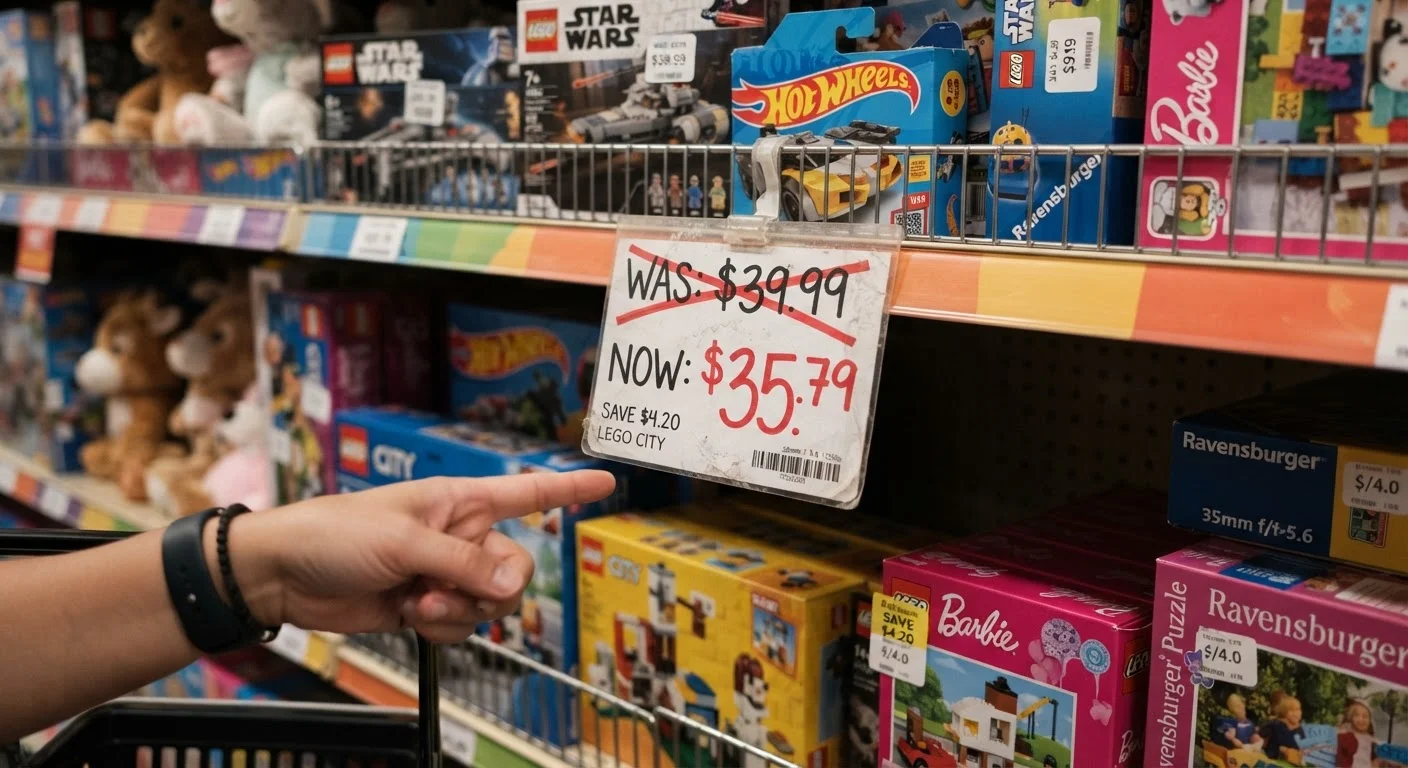
Photo: SaverSteals.com | Explore More. Shop Smarter. editorial
—— In This Article
Key Takeaways
- Retailers sometimes set artificially high reference prices to make discounts appear larger than they are.
- Price history tools can reveal whether a toy's 'original price' was ever genuinely charged at retail.
- Seasonal timing patterns are a more reliable signal of genuine toy discounts than promotional banners.
- Comparing prices across multiple channels before purchasing helps expose manufactured markdowns.
Why Inflated Reference Prices Are Common in Toy Retail
The toy category is especially susceptible to inflated reference pricing — the practice of listing a high "original" or "was" price that the item rarely or never sold at, then displaying a lower "sale" price to imply savings. Toys have wide wholesale margins, frequent packaging refreshes, and strong seasonal demand spikes, all of which give retailers room to set ambitious reference prices without regulators easily noticing.
This isn't a fringe tactic. It's well-documented across retail broadly, and the toy aisle is no exception. Inflated reference prices are a recognized retail practice that affects shoppers across categories, not just toys. Understanding why it happens is the first step toward not being misled by it.
Trusting the crossed-out price as a factual baseline for savings.
Why it happens: Shoppers are conditioned to read struck-through prices as objective historical data, when retailers set those figures with significant discretion.
Equating a large percentage discount with a large absolute saving.
Why it happens: Percentage framing is psychologically compelling, and retailers know that '50% off' feels significant even if the starting price was inflated.
Buying during peak promotional events without checking whether prices were raised beforehand.
Why it happens: Major sale events create urgency and high purchase intent, which can override the habit of comparison shopping.
Assuming that all retailers price the same item identically outside of sales.
Why it happens: Shoppers often use one retailer as their reference point and don't realize that everyday prices vary significantly across channels.
Overlooking bundled or repackaged versions that inflate perceived value.
Why it happens: Toys are frequently bundled with accessories or repackaged with a higher suggested retail price, making the 'original price' technically defensible but practically misleading.
How to Verify Whether a Toy Deal Is Genuine
The most direct way to check a claim is to look at the item's price history. Price tracking tools for toys log historical prices across major retailers and can show you whether the listed "original" was ever the actual selling price — or just a reference figure that existed briefly, if at all.
Beyond price history, consider the seasonal context. Genuine markdowns on toys follow predictable patterns: inventory clearance after major gift-giving seasons, mid-year lulls, and back-to-school transitions. Seasonal patterns that precede real toy price drops are more reliable indicators than a retailer's promotional banner. If a toy is on "sale" during peak demand — say, two weeks before a major holiday — that discount deserves extra scrutiny.
Channel comparison also matters. Online and in-store toy pricing differ in ways that can expose manufactured discounts: if a product's "sale" price online matches its everyday price at another retailer, the savings are illusory. Cross-referencing two or three sources takes minutes and quickly reveals the real market price.
~33%
Deals that weren't cheaper than pre-promotion prices
An analysis by consumer advocacy researchers found that a significant share of products featured in major retail promotions were not priced lower than in the weeks before the event.
60–90 days
Recommended price history window to check
Consumer advocates generally suggest reviewing at least 60–90 days of price history to distinguish a genuine markdown from a temporary reference-price inflation.
If you're open to alternatives, secondhand toy marketplaces often reflect actual market value more honestly than retail promotions, since individual sellers typically price to the current going rate rather than an inflated anchor.
Building Habits That Protect You Long-Term
Avoiding inflated-price traps isn't a one-time fix — it's a set of habits. The core discipline is checking before you click. Before treating a percentage-off badge as meaningful, verify what the item actually sold for over the past 60–90 days. Consistent deal-hunting habits separate shoppers who reliably save from those who simply feel like they're saving.
It also helps to anchor your expectations on real transaction prices rather than displayed reference prices. If you know a toy typically sells for a certain amount across multiple retailers, no single seller's "original" claim can mislead you. That knowledge, built incrementally over time, is your most durable defense against manufactured discounts.
This article is for informational purposes only. Pricing practices vary by retailer and region; always verify current prices independently before making purchasing decisions.

Toys Editorial Team
Toys Editorial Team is the collective byline for our editorial team and contributor network. Articles published under this byline or an editorial pen name are researched, written, and reviewed according to our editorial standards for clarity, consistency, and independence before publication.
View author profile