
Overspending on Pet Toys: The Spending Traps Most Owners Don't See Coming
Discover why pet toy spending spirals out of control, which purchases tend to be low-value, and how to make smarter, lasting choices.
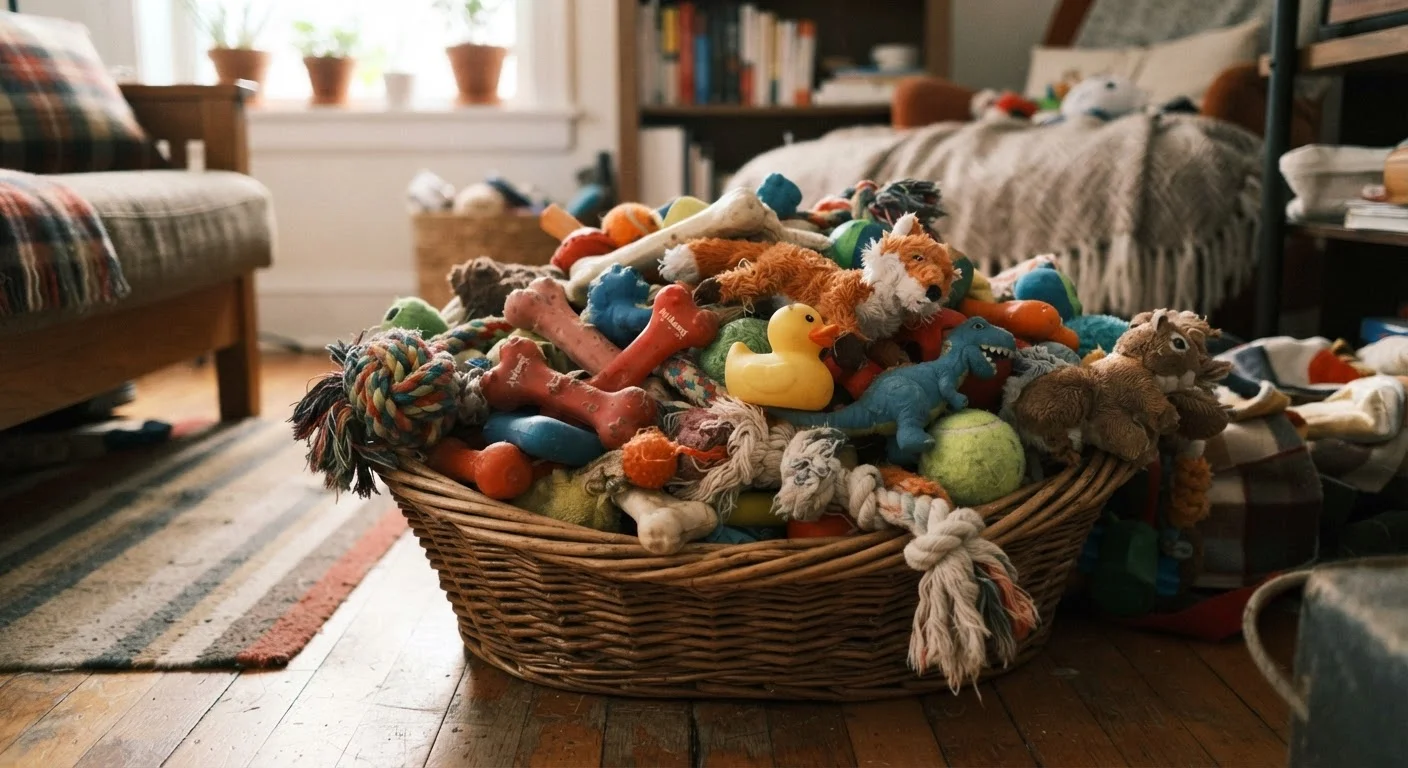
Photo: SaverSteals.com | Explore More. Shop Smarter. editorial
—— In This Article
Key Takeaways
- Novelty-driven purchases are a primary driver of pet toy overspending.
- Many expensive toys go unused because they don't match a pet's actual play style.
- Rotating existing toys is a free strategy that restores interest without new spending.
- Price is a poor proxy for durability or enrichment value in pet toys.
- Setting a monthly toy budget and tracking purchases prevents gradual spending creep.
Why Pet Toy Spending Quietly Spirals
Pet toy spending rarely blows up in a single purchase. It creeps. A squeaky hedgehog here, an interactive puzzle there, a seasonal holiday set at the checkout — and suddenly you're looking at a toy bin that cost more than a month of pet food. For many owners, the problem isn't a single bad decision; it's a pattern of low-awareness spending that compounds over months.
Understanding why this happens is the first step toward stopping it. Retailers design pet toy sections to encourage impulse buying — bright packaging, low unit prices that feel trivial, and seasonal resets that make last month's toys seem outdated. The emotional pull of treating a pet is also real and legitimate, but it can be exploited by marketing that conflates spending with caring. See our category-by-category cost breakdown to put toy spending in perspective against your total pet budget.
$150+
Estimated annual per-pet toy spending
Industry surveys suggest many US dog and cat owners spend over $150 annually on toys alone, often without a deliberate budget in place.
~60%
Toys purchased on impulse
Consumer behavior research across discretionary pet spending categories suggests a majority of toy purchases are unplanned at the start of a shopping trip.
2–3 weeks
Average toy interest before habituation
Veterinary behaviorists note that many pets habituate to a constantly available toy within a few weeks, a pattern that drives repeat purchasing when rotation would suffice.
The Most Common Toy-Spending Mistakes
The following mistakes show up repeatedly among pet owners across species and income levels. Recognizing them in your own habits is how you stop repeating them.
Buying toys based on how they look to you, not how they'll appeal to your pet.
Why it happens: Pet toy marketing targets owners, not animals. Cute packaging, licensed characters, and novelty designs trigger human purchasing instincts rather than reflecting what actually engages a specific pet.
Treating low unit price as low risk, which leads to high cumulative spending.
Why it happens: A $4 toy feels like a negligible expense, so owners apply less scrutiny than they would to a $40 purchase. This logic breaks down when the same reasoning is applied ten times a month.
Assuming price signals quality or durability.
Why it happens: In many product categories, price correlates reasonably with quality. In pet toys, it often doesn't — premium pricing frequently reflects branding or packaging, not material quality or enrichment value.
Replacing toys that are ignored rather than rotating them back into circulation.
Why it happens: When a pet stops engaging with a toy, owners commonly assume the toy has failed rather than recognizing the pet has habituated to its constant availability.
Buying toys in response to guilt or emotional impulse rather than need.
Why it happens: Guilt about time away from a pet, stress from other areas of life, or holiday-season social pressure can trigger toy purchases that aren't driven by the pet's actual enrichment needs.
Buying species-appropriate toys without accounting for individual size, age, or play intensity.
Why it happens: Marketing categories toys broadly — "for dogs" or "for cats" — without surfacing the variation within those groups. A toy appropriate for a young high-energy dog may be instantly destroyed or ignored by a senior dog of the same breed.
If you own more than one pet, these mistakes compound quickly. Multi-pet households face a different scale of this problem — a single impulse habit multiplied by three animals adds up fast.
Smarter Habits That Replace the Spending Loop
Once you've identified your personal spending triggers, a few consistent habits can disrupt the cycle without depriving your pet of stimulation.
- Rotate before you buy. Most pets lose interest in toys because they become predictable, not because they're worn out. Store half your current toys and swap them out every two to three weeks. This costs nothing and genuinely renews your pet's interest. For creative low-cost ideas, see DIY enrichment strategies that don't require new purchases.
- Observe actual play behavior before purchasing. Watch what your pet does with toys it already has. Does it chase, chew, bat, fetch, or shred? Match new purchases to that pattern rather than guessing.
- Set a monthly toy ceiling. Decide in advance how much you'll spend on toys per month and treat that number as fixed. This removes in-the-moment negotiation with yourself.
- Delay non-urgent purchases by 48 hours. Most impulse toy buys fail a simple waiting test. If you still want it after two days, it's more likely to be a deliberate choice.
Cheap Doesn't Always Mean Safe
When cutting toy costs, material safety still matters. Some very low-cost toys use dyes, fillings, or plastics that can be hazardous if chewed and ingested. Check that any toy is appropriate for your pet's size and chewing intensity, and discard toys that have broken into small pieces that could be swallowed. Saving money on toys should never mean compromising on basic safety.
Spending patterns in pet aisles share a lot of psychology with other consumer categories. If you recognize similar habits in other areas of your budget, the same triggers appear in beauty spending and are worth reading alongside this guide.
For a broader view of where pet toy spending fits into responsible ownership costs, this guide to planning for total pet ownership costs is a useful companion resource.

Pets Editorial Team
Pets Editorial Team is the collective byline for our editorial team and contributor network. Articles published under this byline or an editorial pen name are researched, written, and reviewed according to our editorial standards for clarity, consistency, and independence before publication.
View author profile