
Misconceptions About Cheap Pet Food That Could End Up Costing More
Not all budget pet food is harmful, and not all premium food is necessary. Separate common myths from nutritional fact before your next purchase.
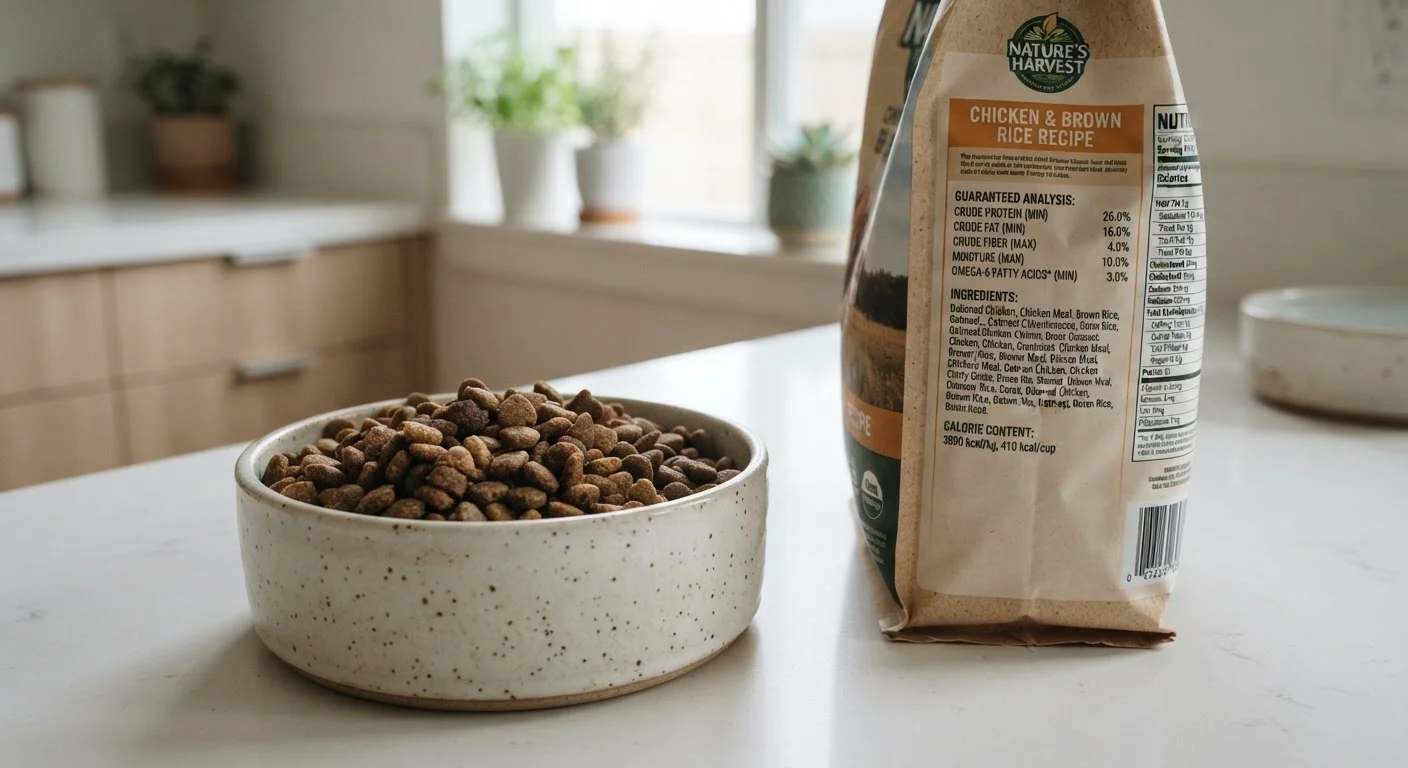
Photo: SaverSteals.com | Explore More. Shop Smarter. editorial
—— In This Article
Key Takeaways
- Price alone is a poor indicator of pet food quality — ingredient lists and AAFCO statements matter more.
- Some affordable pet foods meet full nutritional standards; some expensive ones use marketing rather than science.
- Switching foods too abruptly to save money can cause digestive upset, creating unplanned vet costs.
- Feeding guides on packaging are starting points, not rules — overfeeding any food, cheap or costly, raises expenses.
- Consulting a veterinarian before changing your pet's diet is the most cost-effective safeguard available.
Why Pet Food Pricing Myths Are So Persistent
Pet owners spend billions on pet food each year, and marketing departments know it. Premium positioning, evocative packaging, and ingredient buzzwords all influence what lands in the cart — often more than nutritional science does. The result is a marketplace full of plausible-sounding beliefs that quietly cost pet owners money, either by pushing them toward overpriced options they don't need or steering them away from affordable ones that would serve their animal just fine.
Separating marketing from fact starts with understanding how pet food is actually regulated and what labels are required to disclose. In the U.S., the Association of American Feed Control Officials (AAFCO) sets model nutritional standards that reputable manufacturers follow voluntarily. A food carrying an AAFCO nutritional adequacy statement has met a defined benchmark — regardless of whether it costs $10 or $60 per bag. That single label detail tells you more than ingredient placement or brand story ever will.
For a broader look at how discount assumptions distort value judgments across product categories, see our piece on assumptions that cost shoppers money.
Myth
Cheap pet food is nutritionally deficient and will make your pet sick.
Fact
Price does not determine nutritional adequacy. Many lower-cost foods carry AAFCO nutritional adequacy statements, meaning they meet the same model standards as more expensive options.
The AAFCO statement on a label indicates whether a food has been formulated to meet established nutrient profiles or has passed a feeding trial. A budget food with that statement has cleared a defined bar. An expensive food without it has not. Checking for the statement takes seconds and is a far more reliable quality signal than price or packaging aesthetics.
Myth
Grain-free food is healthier and worth paying more for.
Fact
There is no established evidence that grain-free diets are broadly superior for healthy pets, and the U.S. FDA has investigated a potential link between some grain-free formulas and dilated cardiomyopathy in dogs.
Grains are not inherently harmful to most pets. They provide carbohydrates, fiber, and some protein, and most pets digest them well. The FDA's investigation into grain-free diets and cardiac disease in dogs — ongoing as of recent reporting — has not established definitive causation, but it raised enough concern to warrant veterinary consultation before choosing grain-free based on marketing alone. Paying a premium for a formula your pet may not need is a cost with no confirmed benefit.
Myth
The first ingredient listed is the most important quality indicator.
Fact
Ingredient lists are ordered by pre-cooking weight, which can be misleading. A single named meat listed first may contribute less protein than a combination of meal-based ingredients listed lower.
Moisture content dramatically affects where an ingredient ranks. Fresh chicken, for example, is roughly 70% water — so after processing, its contribution to the final dry product may be smaller than it appears. Meat meals, which are pre-dried, often deliver more concentrated protein per gram. Evaluating the guaranteed analysis panel alongside the ingredient list gives a more complete nutritional picture than ingredient rank alone.
Myth
Switching to a cheaper food will cause lasting digestive harm.
Fact
Digestive upset from a food change is usually temporary and related to the speed of transition, not the relative cost of the new food.
Abrupt food switches — regardless of price direction — can cause loose stools or vomiting because the gut microbiome needs time to adjust. A gradual transition over seven to ten days, mixing increasing proportions of the new food with the old, minimizes disruption in most healthy pets. The issue is transition speed, not budget. More myths that keep owners overspending on pet food are worth reviewing before your next purchase.
Myth
Premium or prescription-labeled food is always worth the extra cost.
Fact
"Premium" has no regulated definition in pet food labeling. Prescription diets are appropriate for specific medical conditions — not as a general upgrade for healthy animals.
The word "premium" on packaging carries no legal or nutritional requirement under AAFCO guidelines. Any manufacturer can use it. Prescription or therapeutic diets, on the other hand, are formulated for diagnosed conditions such as kidney disease, urinary issues, or severe allergies, and should only be used under veterinary guidance. Feeding a therapeutic diet to a healthy pet can, in some cases, create imbalances rather than benefits — at significant unnecessary expense.
Making Smarter, Lower-Cost Food Decisions
Once the myths are cleared away, a more practical framework emerges. Look for the AAFCO adequacy statement, match the life-stage designation to your pet's actual age, and cross-reference the guaranteed analysis panel rather than relying on ingredient marketing language. A food listing "real chicken" first is not automatically superior to one with a meal-based formula — protein concentration and digestibility depend on the full formulation, not a single ingredient's rank.
Portion discipline also matters. Overfeeding any food — premium or economy — drives up monthly costs and raises the risk of obesity-related health problems, which are among the more expensive pet conditions to manage. Use your pet's body condition score as a guide, adjusting portions as needed rather than following package guidelines rigidly.
~$150
Average monthly U.S. pet food spend per household
The American Pet Products Association has tracked rising pet food expenditures as premium marketing has expanded its share of the market.
70%
Moisture content in fresh meat ingredients
Industry nutrition references note that pre-cooking moisture weight significantly affects how ingredients rank on a pet food label, often misleading label readers.
If you're considering buying in larger quantities to reduce per-serving costs, the approach can work, but only when storage and freshness are managed carefully. Our guide on bulk buying pet supplies without waste walks through when the math actually holds up. And for a direct comparison of store-brand versus name-brand options, what pet food labels are actually telling you offers a label-by-label breakdown.
The most reliable cost-control tool remains your veterinarian. A single conversation about your pet's nutritional needs can prevent months of cycling through foods that don't fit — and the digestive and health costs that come with that trial and error. More resources for managing pet supply spending are collected in the Pet Supply Deals hub.
This article is for informational purposes only and does not constitute veterinary or nutritional advice. Consult a licensed veterinarian for guidance specific to your pet's health and dietary needs.

Pets Editorial Team
Pets Editorial Team is the collective byline for our editorial team and contributor network. Articles published under this byline or an editorial pen name are researched, written, and reviewed according to our editorial standards for clarity, consistency, and independence before publication.
View author profile