
Before You Redecorate: A Room-by-Room Planning Checklist
Use this checklist to measure, prioritise, and budget before buying a single item — reducing impulse purchases and costly returns.
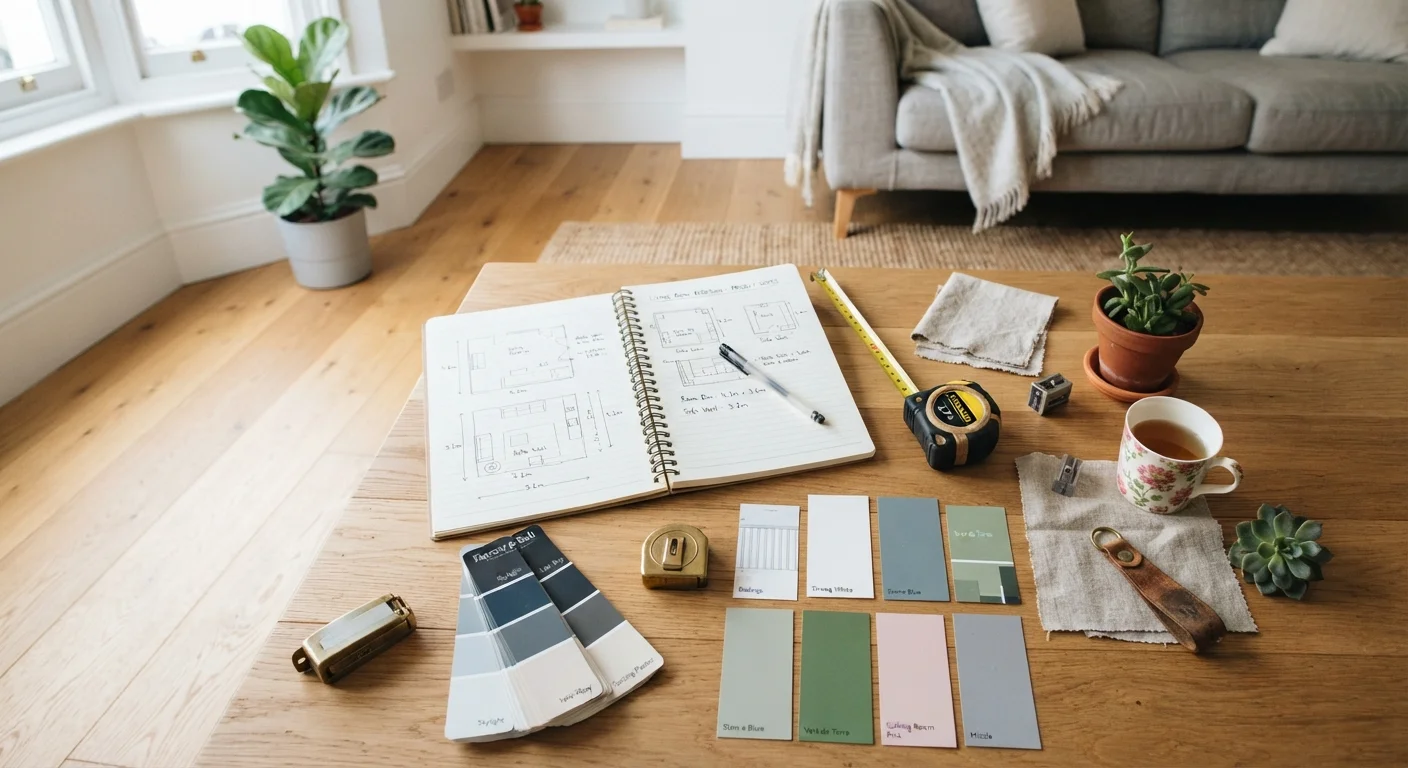
Photo: SaverSteals.com | Explore More. Shop Smarter. editorial
—— In This Article
Key Takeaways
- Measuring every room before shopping prevents costly sizing mistakes and unnecessary returns.
- Auditing what you already own often reveals pieces worth keeping, repurposing, or rearranging.
- Setting a room-by-room budget upfront reduces impulse purchases and scope creep.
- Prioritising must-fix items over wish-list additions keeps projects on track financially.
- Gathering inspiration before buying helps align purchases with a coherent style vision.
Why Planning Before You Shop Saves More Than Money
Redecorating without a plan is one of the most reliable ways to overspend. Items arrive that don't fit the space, paint colors clash with existing furniture, and a project that was supposed to cover one room quietly expands into three. The antidote is deceptively simple: spend time with a checklist before you spend money at a store.
This room-by-room planning checklist is designed to help you measure accurately, audit what you already own, set realistic budgets, and prioritise changes so every dollar you spend is intentional. Before buying a single item, consider working through a no-cost room refresh — rearranging what you already have can dramatically change how a space feels without any new purchases.
Once you've done that groundwork, the checklist below will guide you through the decisions that actually require spending.
Measure & Document Each Room
Audit What You Already Own
Set Your Budget by Room
Prioritise Changes
Define Your Style Direction
Tools You'll Need to Work Through This Checklist
Before starting room-by-room, gather the basics. Having these on hand lets you complete the checklist in a single walk-through rather than multiple interrupted trips.
Tape measure (25 ft minimum)
Accurately measure room dimensions, doorway clearances, and furniture footprints before purchasing.
Notebook or planning app
Record measurements, budget allocations, and room-by-room notes in one organised place.
Smartphone camera
Photograph existing rooms and capture inspiration references to consult while shopping.
Graph paper or free floor-plan tool
Sketch scaled room layouts to test furniture arrangements before committing to purchases.
Paint chip samples
Compare potential wall colors against your existing flooring, furniture, and trim in real lighting conditions.
Once your measurements and notes are ready, you'll be in a much stronger position to shop — whether you're looking at furniture sales and clearance events or browsing quality secondhand furniture at a fraction of retail cost.
How to Use Your Completed Checklist When Shopping
A completed checklist is only useful if you bring it with you — digitally or on paper — when you shop. Here's how to put your notes to work:
- Filter by measurements first. Any item that doesn't fit your recorded dimensions gets eliminated immediately, regardless of how appealing it looks.
- Check against your style notes. Impulse purchases often happen when something looks attractive in isolation. Your style reference board keeps the full room picture in view.
- Cross-reference your budget column. Knowing your per-room ceiling before you browse prevents gradual overspending across multiple small purchases.
- Flag must-fix versus wish-list items. Only move to wish-list items once must-fix priorities are sourced and budgeted.
Always Verify Return Policies Before Purchasing
Even with careful planning, some items won't work once they're in the room. Before completing any purchase, check the retailer's return window and whether large items — especially furniture — are eligible for full returns or carry restocking fees. Knowing the policy upfront removes a significant financial risk from the process.
For readers starting with furniture, our guide on buying furniture on a budget covers timing, trade-offs, and habits that help you make durable choices without overpaying. If you're newer to the process, decorating a room on a tight budget lays out the core principles of affordable room styling in accessible terms.
With your checklist completed and your tools in hand, redecorating becomes a guided process rather than a guessing game — and your finished rooms are more likely to reflect exactly what you envisioned.

Home & Garden Editorial Team
Home & Garden Editorial Team is the collective byline for our editorial team and contributor network. Articles published under this byline or an editorial pen name are researched, written, and reviewed according to our editorial standards for clarity, consistency, and independence before publication.
View author profile