
Fabric Types That Hold Up Well Secondhand - and Ones That Don't
Not all fabrics age the same way. Learn which materials tend to remain wearable after prior use and which to approach with caution.
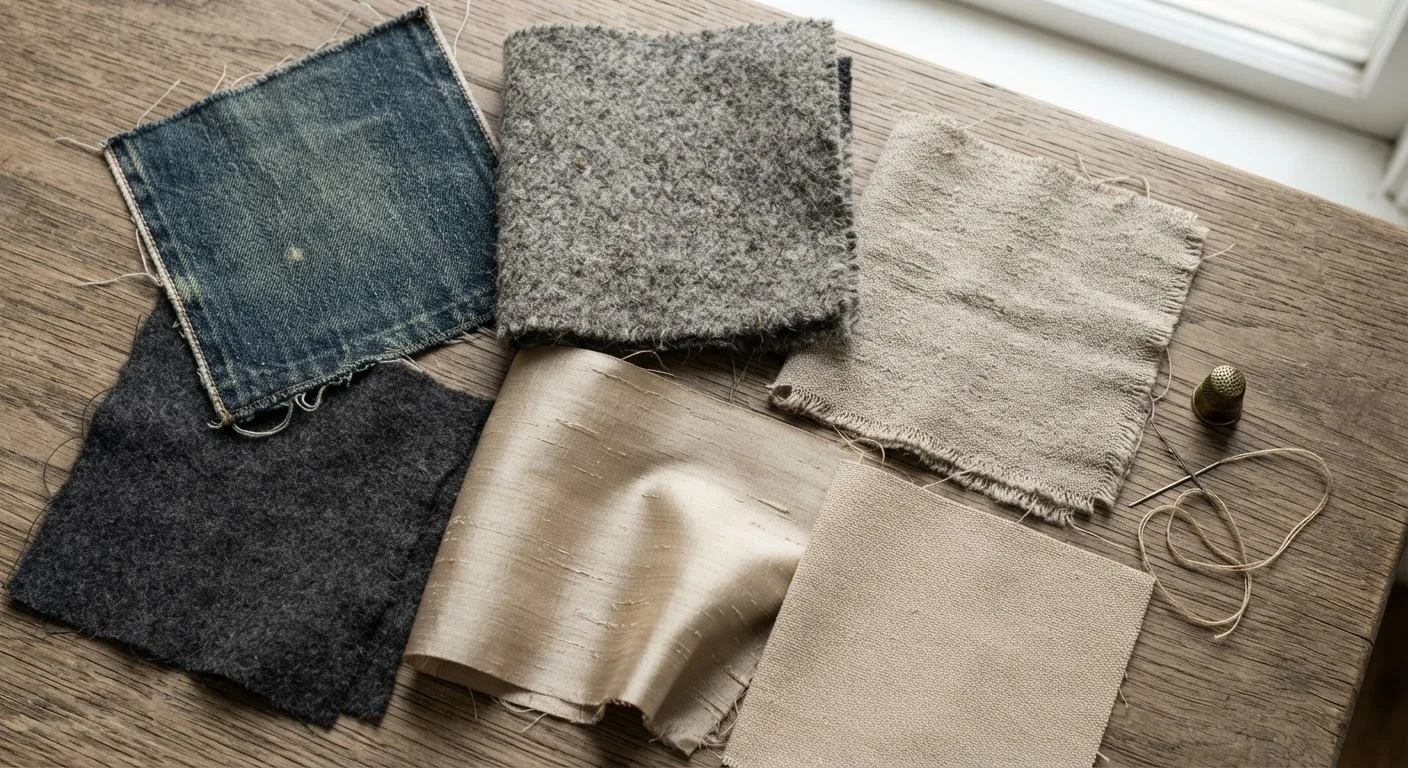
Photo: SaverSteals.com | Explore More. Shop Smarter. editorial
—— In This Article
Key Takeaways
- Dense natural fibers like wool and denim tend to age well and remain structurally sound after previous use.
- Delicate fabrics such as silk, rayon, and thin knits are high-risk buys secondhand due to irreversible wear patterns.
- Fabric weight and weave structure are more reliable durability indicators than fiber content alone.
- Pilling, thinning at seams, and distorted stretch are signs a fabric has passed its functional lifespan.
- A hands-on condition check before purchasing can catch issues that aren't visible in photos.
Why Fabric Type Matters in Secondhand Shopping
Not all used clothing depreciates at the same rate. A wool blazer worn twenty times may still have decades of life left, while a viscose blouse with similar usage could be near the end of its wearable span. The difference comes down to fiber structure, weave density, and how each material responds to repeated washing, friction, and general wear.
For budget-conscious shoppers, this matters practically: buying secondhand only saves money if the item holds up long enough to justify the purchase. Understanding which fabrics age gracefully - and which deteriorate quickly - gives you a meaningful filter before you commit. This is especially useful when shopping online through resale platforms, where you often rely on seller descriptions rather than hands-on inspection. For a broader look at assessing garment condition before buying, see the condition checklist for secondhand clothing.
Wool - holds up exceptionally well
Wool is among the most resilient fibers available in secondhand clothing. Its natural crimp gives it structural elasticity, meaning it bounces back from compression and resists permanent distortion. A well-made wool coat or sweater can withstand many years of wear before showing significant degradation.
What to watch for: moth damage (small irregular holes, often near seams or folds) and felting from improper washing. Surface pilling on knitwear is common but doesn't indicate structural failure - it can often be removed with a fabric shaver. Tightly woven wool suiting tends to age better than loosely knit wool, which is more vulnerable to snags and stretch.
Wool's natural crimp gives it structural resilience that most synthetics simply can't match over time.
Denim - one of the most forgiving fabrics secondhand
Denim's tightly woven twill construction makes it unusually durable. Heavy-weight denim (typically 12 oz and above) is particularly long-lived and becomes more comfortable with use rather than less. Vintage denim has a strong collector following precisely because aged denim often retains its structure while developing desirable character.
Inspect stress points carefully: the crotch seam, back pockets, and inner thighs are where denim typically thins first. Fraying at hems may be cosmetic or structural - pull the threads gently to assess. Avoid pieces where the weave has thinned to the point of translucency, as that fabric has little wear left.
Heavy-weight denim often becomes more comfortable with use, making it a reliable secondhand fabric choice.
Linen - durable but shows stress clearly
Linen is a strong natural fiber that typically holds its shape well, especially in structured garments like trousers, blazers, and shirts. Unlike many fabrics, it actually gains softness and improves in hand feel with washing - a legitimate benefit in secondhand pieces.
The risk with linen is at stress points: collar edges, cuffs, and areas that rub against seams tend to fray and thin noticeably. Check these areas under good light. Discoloration at the underarms is also common and often permanent. Linen blends (particularly linen-cotton) tend to wrinkle less but may sacrifice some durability.
Linen softens with washing, meaning a well-maintained secondhand linen piece may actually be better than new.
Cotton canvas and twill - dependable workhorses
Heavier cotton constructions - canvas, twill, and similar dense weaves used in workwear, chore coats, and structured trousers - age very well. The density of the weave means there's significant material before structural failure. These fabrics often develop a patina that doesn't compromise function.
Thinner cotton constructions (jersey, poplin, and voile) are a different story. These fabrics wear through faster and show age through thinning, pilling, and loss of shape. A cotton jersey t-shirt is a much higher-risk secondhand buy than a canvas work jacket.
Dense cotton constructions like canvas and twill have far more wear life than lightweight cotton jersey.
Rayon and viscose - approach with caution
Rayon (often labeled as viscose) is a semi-synthetic fiber derived from wood pulp. It drapes beautifully and is widely used in blouses, dresses, and lightweight trousers. The problem: it's structurally weak, especially when wet, and deteriorates significantly with repeated washing and use.
Signs of wear on rayon include a shiny, flattened surface texture (where the fibers have been compressed), pilling, and distortion around the hem and armholes. Rayon also absorbs and retains odors more readily than most natural fibers. Unless the piece has been barely worn, rayon is one of the riskier fabric categories in a thrift or resale context.
Rayon looks elegant but is structurally weak - it's one of the riskier fabric choices in any secondhand context.
Silk - high reward, high risk
Authentic silk can last many decades when cared for properly, which is why vintage silk pieces appear in reputable resale markets. However, silk is also extremely sensitive to light exposure, sweat, deodorant, and improper washing - all of which can cause irreversible damage.
Yellow staining at the underarms and collar is common on secondhand silk and rarely comes out fully. Snags, pulls, and water spots are also frequent. Examine silk in natural light and look along the surface at a low angle to catch sheen inconsistencies that indicate damage. Habotai and charmeuse silk are more delicate than dupioni or raw silk, which have more structural integrity.
Silk can last decades with good care, but sweat and light exposure cause damage that is usually permanent.
Synthetic knits and fast-fashion blends - lowest durability
Polyester, acrylic, and mixed-synthetic knits used heavily in fast fashion tend to show age quickly and visibly. Pilling is nearly universal after moderate use, and once a synthetic fabric pills extensively, it cannot be fully restored. These fabrics also hold odors more stubbornly than natural fibers - a relevant concern in secondhand clothing.
That said, tightly woven polyester in more structured garments (such as shell tops, liners, or athletic-adjacent pieces) can fare better. The issue is predominantly with low-density knit constructions. If a garment feels thin and already pills on the surface, it has limited life remaining regardless of price.
Once a low-density synthetic knit pills extensively, it cannot be meaningfully restored - factor that into any purchase.
Making Smarter Calls at the Thrift Rack
The fabric types listed above aren't exhaustive, but they cover the most common materials you'll encounter in thrift stores and resale markets. A practical approach: when in doubt, feel the weight and density of a fabric. Heavier, tighter weaves generally indicate more material left to wear through. Lightweight or loosely constructed fabrics offer fewer reserves.
Use lighting to your advantage in-store
When evaluating secondhand fabric in person, hold the garment up to a window or direct light source and look along the surface at a low angle. This reveals thinning, sheen from compression, and surface damage that's invisible under typical store lighting. For activewear, understanding fabric performance claims can also be useful - see what independent testing shows about activewear fabrics.
The same logic that applies to clothing extends to other secondhand categories. If you're evaluating used upholstered furniture, the fabric durability guide for secondhand upholstery covers similar principles for home textiles. And if you've ever wondered whether thrift items carry hygiene risks, the facts are more reassuring than assumptions - common misconceptions about secondhand clothing addresses this directly.
Buying secondhand clothing well is a skill built on observation and pattern recognition. Fabric knowledge is one of the most durable tools in that process.

Clothing Editorial Team
Clothing Editorial Team is the collective byline for our editorial team and contributor network. Articles published under this byline or an editorial pen name are researched, written, and reviewed according to our editorial standards for clarity, consistency, and independence before publication.
View author profile