
The 'Treat Yourself' Trap: Spending Patterns That Undercut Clothing Budgets
Sales events are designed to encourage spending beyond what you planned. Learn to recognise the psychological patterns that derail clothing budgets.
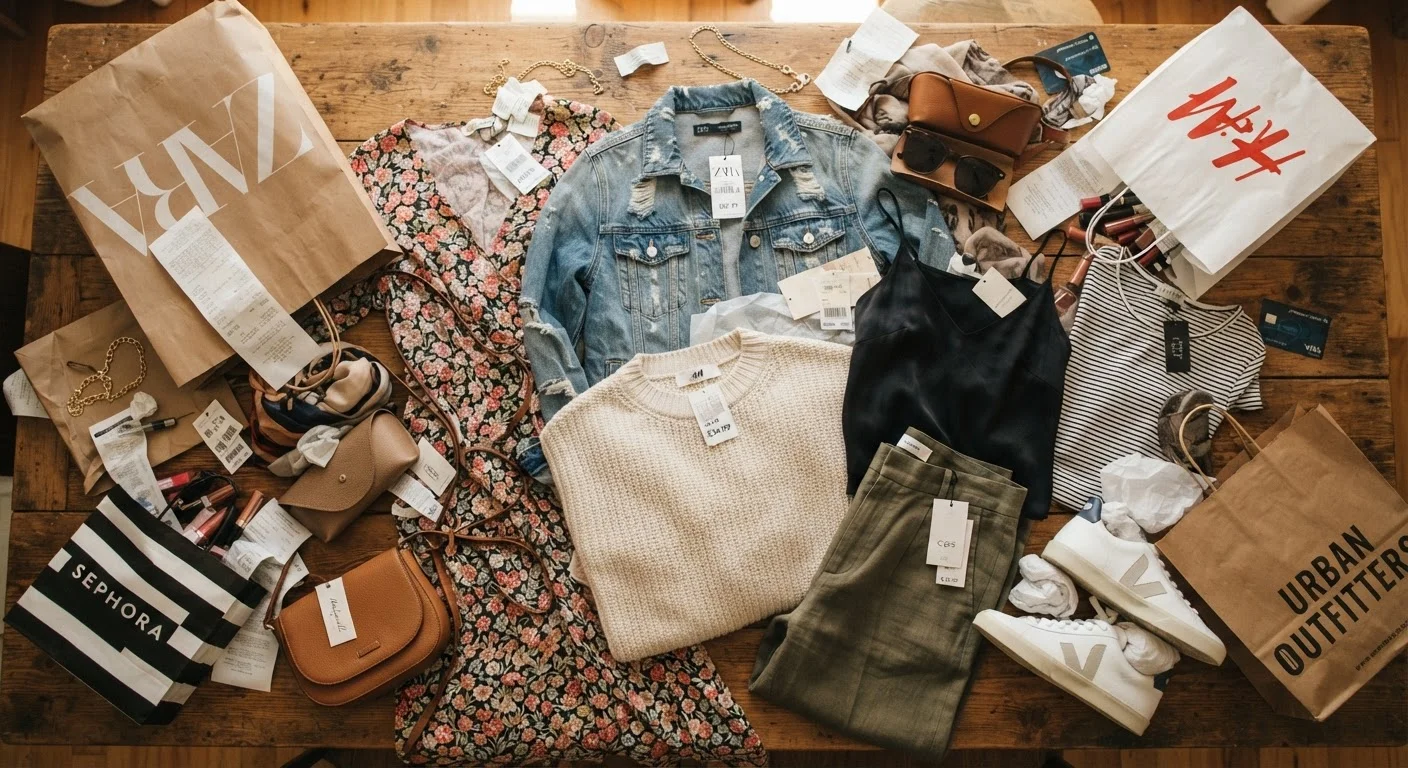
Photo: SaverSteals.com | Explore More. Shop Smarter. editorial
—— In This Article
Key Takeaways
- Sale pricing creates a psychological illusion of savings that often leads to spending more overall.
- Tracking purchases by cost-per-wear reveals which clothing buys actually delivered value.
- A written list reviewed before any sale event is one of the most effective budget guardrails.
- Secondhand and resale channels reduce impulse risk by slowing down the purchase decision.
- Budget erosion in clothing often mirrors patterns seen in other categories like sports gear and beauty.
Why Clothing Budgets Erode Quietly
Clothing spending rarely collapses in a single transaction. It erodes through repeated small decisions - each individually justifiable, collectively damaging. A discounted jacket here, a threshold-crossing accessory there, and a multi-pack of basics that seemed efficient add up to a month where the clothing line item is double what was planned.
This pattern isn't unique to clothing. It appears in sports gear, beauty, and home categories - anywhere promotional pricing is routine and purchases feel low-stakes individually. The drivers of unplanned sports gear spending and the mechanisms behind clothing budget drift are closely related: urgency, perceived scarcity, and emotional justification all play the same role across categories.
Understanding the specific mistakes that enable this drift is more actionable than general advice to "spend less." Each pattern has a distinct trigger and a concrete countermeasure.
Sale Events Are Engineered to Expand Spending
Retailers design promotional events to increase basket size, not to help you save money. Countdown timers, limited-quantity banners, and tiered discount thresholds ("spend $150, save 30%") are deliberate tactics. Recognising these as revenue tools - not consumer benefits - is the baseline for shopping any sale with discipline.
The Mistakes That Cost Clothing Budgets Most
The following patterns consistently account for unplanned clothing expenditure. They're not failures of willpower - they're predictable responses to how sale environments are structured.
Treating a discount as a reason to buy rather than a reduction in cost.
Why it happens: A 40% discount frames the remaining price as a win, making the purchase feel financially responsible even when the item wasn't needed.
Buying multiples of a discounted item to 'stock up' on things you wear infrequently.
Why it happens: Scarcity messaging and bulk pricing encourage over-purchasing by suggesting the opportunity won't return.
Spending up to a free-shipping or discount threshold using filler items.
Why it happens: The threshold makes extra spending feel practically free, even though you're paying real money for items you didn't plan to buy.
Ignoring cost-per-wear when evaluating whether a purchase was worthwhile.
Why it happens: Purchase price is visible; actual usage is not tracked. A $20 top feels like a bargain until it's worn twice and discarded.
Shopping sales without a pre-written list of actual clothing needs.
Why it happens: Browsing sale inventory without constraints turns a targeted shopping trip into an open-ended spending session.
Using 'treat yourself' framing to bypass normal spending criteria.
Why it happens: Emotional justifications bypass analytical thinking, making it easy to rationalise purchases that don't align with stated budget goals.
For shoppers who find that sale browsing consistently leads to clutter rather than wardrobe improvement, the practical approaches to intentional sale shopping are worth reviewing alongside this list. The two problems - overspending and accumulation - typically feed each other.
Shifting the Default Toward Intentional Purchases
The most durable protection against these patterns is structural, not motivational. Relying on willpower during a sale event - when promotional design is working against you - is a weak strategy. Building constraints before you encounter the sale is more effective.
~$1,700
Average annual US clothing spend per household
According to the U.S. Bureau of Labor Statistics Consumer Expenditure Survey, apparel and services represent a consistent and significant line item in household budgets.
30 days
Recommended waiting period before non-essential purchases
Personal finance research consistently identifies a brief delay between intent and purchase as one of the most effective tools for reducing impulse spending across consumer categories.
A written needs list reviewed the day before a sale, a 30-day waiting rule for non-essential items, and a habit of checking the secondhand clothing options before buying new all reduce the friction-free impulse buying that sale environments depend on. Slowing the decision down is often enough to change the outcome.
The same logic applies across spending categories. Beauty budget traps operate through identical mechanisms - scarcity framing, influencer pressure, and incremental spend - which is why the same structural guardrails tend to work across verticals. Build the habit in one area and it transfers.
This article is for informational purposes only. Individual spending habits and financial circumstances vary; nothing here constitutes financial or budgeting advice.

Clothing Editorial Team
Clothing Editorial Team is the collective byline for our editorial team and contributor network. Articles published under this byline or an editorial pen name are researched, written, and reviewed according to our editorial standards for clarity, consistency, and independence before publication.
View author profile