
Factors That Quietly Inflate the True Cost of a Clothing Bargain
Shipping, return postage, alterations, and dry-clean-only labels can erode a discount fast. Here's what to account for before calling something a deal.
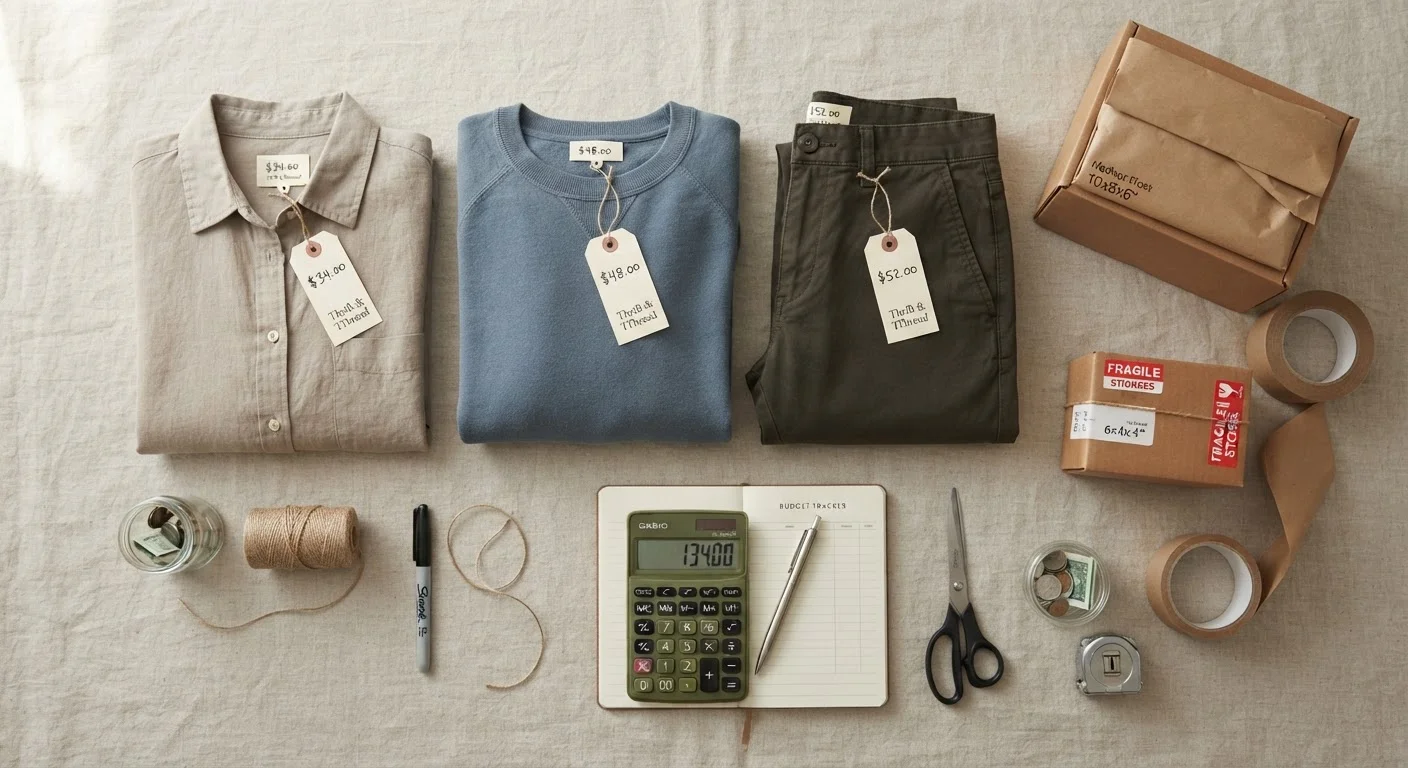
Photo: SaverSteals.com | Explore More. Shop Smarter. editorial
—— In This Article
Key Takeaways
- Shipping and return postage fees can quickly cancel out a modest discount on clothing.
- Care label requirements like dry-clean only add recurring costs over a garment's lifetime.
- Alterations, repairs, and poor sizing can turn a bargain into a more expensive purchase.
- Short garment lifespan means a cheaper item may cost more per wear than a pricier one.
- Platform and service fees on resale apps reduce the actual savings for buyers.
Why the Sticker Price Rarely Tells the Whole Story
A 40% discount is a genuinely useful saving - unless the item costs you an extra $12 to ship, $8 to return when it doesn't fit, and $25 twice a year to dry-clean. At that point, the math changes considerably. Budget-conscious shoppers who already know to look for promo codes often skip the step of calculating what a garment will actually cost them over time, not just at checkout.
This isn't about dismissing discounted clothing as unreliable. Plenty of well-made items go on sale for straightforward reasons - end of season, overstock, or retailer promotions. The goal is to account for every real cost before you commit, so that what looks like savings actually is. The factors below are the ones most commonly overlooked.
The same logic applies across categories
Hidden costs that erode headline discounts aren't unique to clothing. Hidden costs that make cheap books expensive covers similar dynamics in the book market, from shipping to condition issues. If you're budgeting across multiple categories, the same pre-purchase discipline applies everywhere.
Hidden Cost Factors Worth Accounting For
Shipping charges that dwarf the discount
A $15 discount on a $45 item becomes far less attractive when standard shipping runs $9.99 and expedited costs more. Many retailers offer free shipping only above a minimum order threshold, which can push shoppers into buying additional items they didn't intend to purchase. Before adding anything to your cart, check the shipping policy and calculate it as part of the item's actual cost.
Shipping fees are effectively a surcharge on the discount - account for them first.
Return postage paid by the buyer
Return policies vary enormously. Some retailers offer free returns; others deduct a flat return shipping fee from your refund, or require you to pay postage yourself. If a garment doesn't fit - which is common when buying sale items that may only be available in limited sizes - that return cost comes directly out of your savings. For online-only purchases, assume a return is possible and price it in before buying.
Paid return shipping is effectively a fee you pay for the right to change your mind.
Alteration and tailoring costs
Sale items often sell well in mid-range sizes, leaving extended sizes or unusual proportions on the rack. If a discounted item fits well in the shoulders but needs hemming or waist adjustment, professional alterations typically run $15-$40 per garment depending on complexity and location. A blazer that needs both sleeve shortening and a waist tuck can cost $50 or more to alter - potentially more than the discount itself.
Alteration costs are predictable - estimate them before deciding a fit is 'close enough.'
Dry-clean only and specialist care labels
A care label requiring dry-cleaning or hand-washing only is a recurring cost that compounds over a garment's lifetime. Dry-cleaning a single item typically costs $10-$20, and if you wear that item regularly, annual care costs can exceed what you paid for it. Check the care label - not just the price tag - before purchasing discounted formalwear, structured jackets, or delicate fabrics.
Care costs repeat every season; a dry-clean-only label is a subscription you didn't sign up for.
Short usable lifespan reducing cost-per-wear value
Cost per wear - the purchase price divided by the number of times you wear something - is a more useful measure than the sticker price. A heavily discounted item that pills after five washes or loses its shape quickly may deliver fewer wears than a moderately priced alternative that holds up for years. This is especially relevant for basics like T-shirts, knitwear, and casual trousers. Assessing fabric quality before buying discounted clothing can help you identify which sale items are genuinely durable.
Cost per wear matters more than purchase price when comparing items of different quality.
Platform and service fees on resale apps
Resale and secondhand platforms charge buyers processing or service fees that often aren't visible until checkout. These fees typically range from 3% to 10% of the item price and can push a seemingly modest purchase meaningfully higher. When browsing secondhand clothing options, always click through to the payment summary before comparing a resale price to what the same item might cost elsewhere.
Resale platform fees are only visible at checkout - factor them in before comparing prices.
Impulse purchases triggered by minimum spend thresholds
Free shipping thresholds and tiered discount structures (e.g., "20% off orders over $75") are designed to increase basket size. If you add a second item to qualify for a discount or shipping perk, the cost of that item is a real expenditure - regardless of how it's framed. Before padding a cart, ask whether you'd have bought the extra item at full price on its own. If not, the savings calculation is more complicated than it appears.
Adding items to hit a free-shipping threshold is spending money to save money - do the math.
Use a simple pre-purchase checklist
Before completing any discounted clothing purchase, run through four quick questions: What does shipping cost? What's the return policy if it doesn't fit? Does the care label require specialist cleaning? Is the fabric likely to hold up after repeated washing? Answering these takes under a minute and gives you a much more accurate picture of the real price.
Making Smarter Calls at the Point of Purchase
None of these factors automatically makes a discounted item a bad buy - they just need to be part of your calculation. A quick mental tally of shipping, likely alterations, and care requirements takes about 60 seconds and can save you from a purchase that erodes over time. For secondhand purchases specifically, see the hidden costs of buying secondhand clothing online for a more detailed breakdown of platform and return fee structures.
It's also worth checking fabric quality before committing to any sale item - evaluating fabric quality when shopping discounted clothing covers what to look for in weave, weight, and care labels. The same principle of looking past the headline price applies across product categories: hidden costs that erase tool discounts shows how the same dynamic plays out with hardware and equipment.
Treating a purchase price as an estimate rather than a final figure puts you in a much stronger position to decide whether any given deal is worth taking.

Clothing Editorial Team
Clothing Editorial Team is the collective byline for our editorial team and contributor network. Articles published under this byline or an editorial pen name are researched, written, and reviewed according to our editorial standards for clarity, consistency, and independence before publication.
View author profile