
Where Families Actually Find Good Secondhand Toys
From community swap groups to charity shops and online marketplaces, here are the most reliable places families source quality used toys.
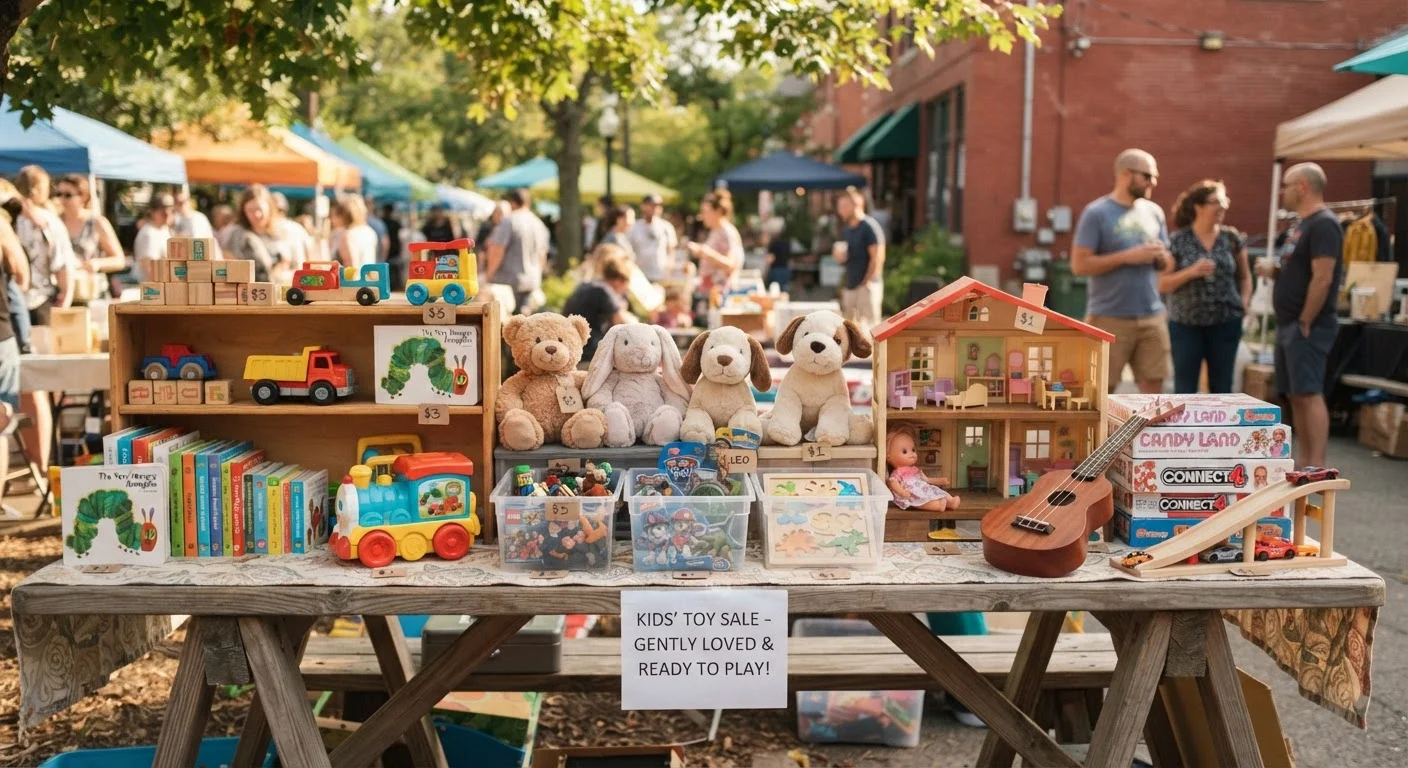
Photo: SaverSteals.com | Explore More. Shop Smarter. editorial
—— In This Article
Key Takeaways
- Local swap groups and neighborhood apps often surface quality toys before they reach formal resale markets.
- Charity shops and consignment stores typically inspect donations, adding a basic layer of quality filtering.
- Checking the CPSC recall database before purchasing any secondhand toy is a non-negotiable safety step.
- Online marketplaces offer wider selection but require more due diligence on condition and completeness.
- Buying locally in person reduces the risk of misrepresented condition and eliminates shipping damage.
Why Sourcing Channel Matters More Than Price
Families shopping for secondhand toys quickly discover that where you buy matters as much as what you pay. A toy priced at a dollar means nothing if it arrives broken, has missing pieces, or turns out to be subject to a product recall. The channel you use shapes your ability to inspect items, ask questions, and walk away from a bad deal.
The landscape of secondhand toy sourcing falls into a few distinct categories: community-based exchanges, physical retail resale, and digital marketplaces. Each comes with different trade-offs around trust, convenience, and safety. Understanding those trade-offs — rather than defaulting to whatever is cheapest — is what separates a smart purchase from a regrettable one.
Before diving into specific channels, one rule applies universally: cross-reference any used toy against the U.S. Consumer Product Safety Commission (CPSC) recall database at cpsc.gov. Recalled items can and do appear in every channel covered below. See our guide to toy recalls in secondhand markets for a full walkthrough of how to check and what to do if you find one.
Set Up Alerts Before You Need Something
On Facebook Marketplace and OfferUp, saved searches with notifications mean you see relevant listings the moment they post — before other buyers. Set up keyword alerts for specific toy categories or age ranges you're shopping for. This is especially useful in the weeks after major holidays when supply spikes.
Seven Places Families Reliably Source Used Toys
Neighborhood Buy-Nothing and Swap Groups
Hyperlocal Facebook groups, Nextdoor listings, and dedicated Buy Nothing communities operate on a gift or low-cost exchange model. Because participants live nearby, you can inspect items in person before accepting them, and sellers are often known community members — which adds informal accountability.
These groups surface toys quickly after holidays and birthdays, when families are clearing out outgrown items. The selection is unpredictable, but the price (often free) and local pickup make them worth monitoring regularly.
Buy Nothing groups often surface quality toys within days of major holidays when families clear out.
Charity Shops and Thrift Stores
Goodwill, Salvation Army, and independent charity shops receive donated toys continuously and typically do a basic inspection before putting items on shelves — discarding visibly broken pieces or incomplete sets. Prices are usually low, and physical browsing lets you assess condition directly.
The trade-off is inconsistent inventory. High-demand categories get picked over quickly, especially in stores near dense residential areas. Visiting mid-week and in the morning tends to yield better selection, as weekend browsers have not yet combed through new donations.
Charity shops do basic sorting before items hit shelves, filtering out the most obviously damaged donations.
Consignment Stores Specializing in Children's Items
Children's resale consignment shops accept toys on consignment — meaning the original owner receives a share of the sale price. To protect their own margins and reputation, these stores generally inspect items for completeness and functionality before accepting them. That vetting is the key differentiator from general thrift.
Prices run higher than charity shops, but the quality floor is more reliable. Many consignment stores also refuse items that appear on current recall lists, though this is not universal — always verify yourself.
Consignment shops have a financial incentive to stock only functional, complete toys — a useful quality signal.
Facebook Marketplace and OfferUp
Online peer-to-peer platforms offer the widest selection of any single channel. Sellers post photos, describe condition, and often list original retail prices for context. Search filters let you narrow by category, price range, and distance for local pickup.
The risk is misrepresentation — photos can hide damage, and descriptions vary in accuracy. Arrange local meetups in public places or curbside pickup rather than in-home visits. Ask sellers directly about missing pieces and, for electronic toys, whether batteries were included to confirm functionality.
Always confirm piece counts and test battery-powered functions before finalizing any online marketplace purchase.
Garage Sales and Estate Sales
Weekend garage sales remain a dependable source, particularly in suburban neighborhoods. Pricing is negotiable, inspection is immediate, and sellers can answer questions about the toy's history. Estate sales — often managed by professional liquidators — sometimes include children's rooms with toys in good condition, particularly for older or vintage items.
The limitation is timing and unpredictability. Apps like Yard Sale Treasure Map and Nextdoor event listings help map out efficient routes on sale weekends rather than driving around blind. The secondhand furniture ecosystem article covers how estate sales work more broadly, which is useful context if you plan to attend one.
Mapping garage sale routes in advance with a dedicated app turns a random outing into an efficient sourcing run.
School and Community Toy Swaps
PTA-organized toy swaps, community center events, and library toy exchanges let families trade directly with other local parents. These are typically organized around seasonal transitions — post-holiday cleanouts in January or back-to-school periods in late summer.
The social context creates informal trust: parents know other participants are motivated to offload outgrown toys in decent condition rather than sell damaged goods. Many swap events also exclude toys missing critical pieces, keeping the quality of what circulates reasonably high.
Swap events filter out broken toys naturally because participants want fair trades, not to dump broken items.
eBay for Hard-to-Find or Specialty Items
For specific items — a particular puzzle edition, a discontinued construction set, or a replacement piece for a larger toy — eBay provides access to a national seller pool that local channels cannot match. Seller ratings and detailed listing photos provide more accountability than many peer-to-peer platforms.
Factor in shipping costs and inspect photos carefully for condition. Read the returns policy before purchasing, and be aware that shipping adds both cost and the risk of transit damage for fragile items. This channel is most efficient when you know exactly what you're looking for rather than browsing generally. For a broader view of how secondhand markets operate across categories, the secondhand toy myths article addresses common hesitations that hold buyers back.
eBay's seller ratings and buyer protections make it the most accountable option for sourcing specific hard-to-find items.
Recall Checks Apply Everywhere
Every channel listed here — including charity shops and community swaps — can contain toys subject to active recalls. No resale channel systematically screens for recalls before items change hands. The responsibility falls on the buyer. Bookmark cpsc.gov and check any used toy's model information before it goes home with a child.
Making the Most of What You Find
No single channel dominates — experienced secondhand shoppers typically rotate between two or three depending on what they need. Time-sensitive needs (a birthday next week) push families toward in-person options where inspection is immediate. Longer planning horizons open up online marketplaces and consignment stores, where patience is rewarded with better selection.
Whatever channel you use, the same inspection checklist applies: test moving parts, verify piece counts against the original product listing, check for sharp edges or broken plastic, and wipe down surfaces before the toy reaches a child. A quick clean with a damp cloth and mild soap handles most surface concerns. For a fuller picture of what to expect at each stage of secondhand toy ownership, the complete lifecycle guide covers buying through passing on in detail. And if you're still weighing whether secondhand is right for your family, the real trade-offs article offers an honest look at both sides.

Toys Editorial Team
Toys Editorial Team is the collective byline for our editorial team and contributor network. Articles published under this byline or an editorial pen name are researched, written, and reviewed according to our editorial standards for clarity, consistency, and independence before publication.
View author profile