
Reading a Tool Auction Listing Without Being Misled
Auction descriptions can be vague or misleading. Learn the phrases, photos, and omissions that signal risk before you bid.
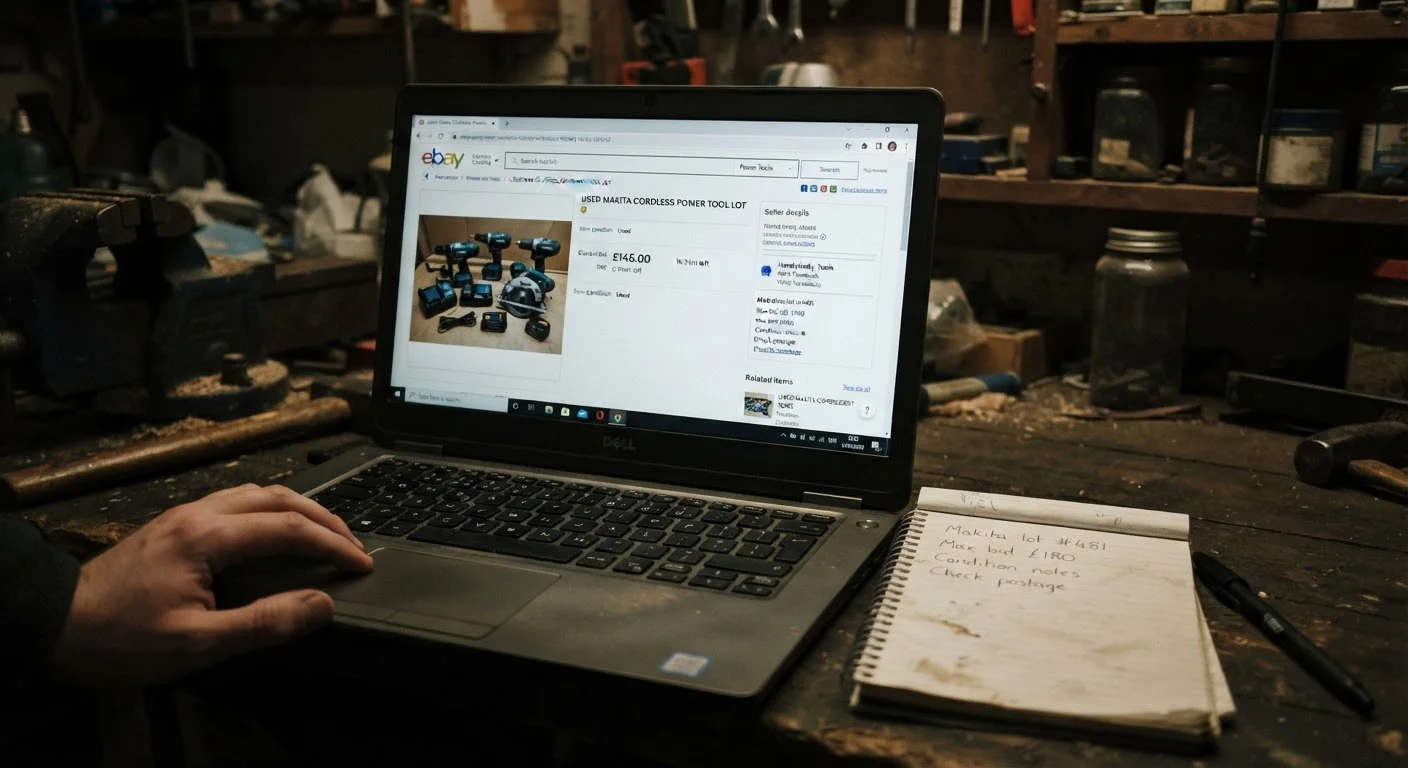
Photo: SaverSteals.com | Explore More. Shop Smarter. editorial
—— In This Article
Key Takeaways
- Vague condition language like "as-is" or "untested" often signals undisclosed mechanical problems.
- Photo quality and angles reveal as much as the written description — missing shots are a red flag.
- Seller feedback history on tools specifically is more reliable than overall rating alone.
- Hidden fees like buyer's premiums can significantly inflate the final cost of an auction win.
- Always calculate your maximum bid before the auction opens, factoring in all costs.
- Asking the seller direct questions before bidding creates a paper trail that may aid dispute resolution.
Why Tool Auction Listings Require a Different Read
Buying tools at auction differs from standard retail or even typical peer-to-peer resale in one important way: the listing is often written by someone whose primary goal is to clear inventory, not to fully characterize what they're selling. Estate liquidators, equipment dealers, and casual flippers vary widely in how well they actually know the tools they're listing.
This means the burden of interpretation falls almost entirely on you. A listing for a table saw might be accurate, optimistic, or genuinely uninformed — and the language often looks identical in all three cases. The strategies in this guide apply equally to online auction platforms and physical auction house preview listings. For a broader view of what you gain and give up in either format, the full auction overview is a useful companion read.
The same interpretive discipline applies across secondhand categories. The approach used when reading a refurbished electronics listing translates directly to tools: treat condition claims as assertions to verify, not facts to accept.
What you will need
What You Need Before You Start
Before walking through the steps, set yourself up to evaluate listings efficiently. You'll need access to the platform and the right reference points to check claims against.
Auction platform account
Required to view full listing details, seller feedback, and place bids.
Notepad or spreadsheet
Track total cost estimates (bid + premium + shipping + tax) before committing.
Manufacturer's model lookup or parts database
Verify model number legitimacy and check parts availability for the tool in question.
Step-by-Step: Evaluating a Listing Before You Bid
Work through each step in sequence. Skipping ahead to price without first evaluating condition and seller credibility is where most bidding mistakes originate.
Read the title critically
Auction titles are written to attract bids, not to inform. Watch for inflated descriptors like "professional grade" or "heavy duty" with no model number, and for deliberate vagueness like "lot of tools" that obscures individual item condition. A trustworthy title names the brand, model, and a specific condition claim you can verify.
Decode the condition language
Auction platforms and private sellers use condition terms inconsistently. "Used" can mean barely touched or nearly destroyed. "Good working condition" is seller-assessed and unverified. Phrases like "untested," "powers on," or "runs" stop short of confirming the tool performs its actual function. Map each phrase to its practical implication before reading further.
[important_callout]
Audit every photo
Count the photos. Examine what they show and — critically — what they avoid. A well-documented listing shows the tool from multiple angles, the data plate with model and serial number, all included accessories, any visible wear or damage, and a power-on or operation shot where feasible. Single-image listings or studio-style stock photos without the actual item are immediate concerns.
Check seller feedback with a tools-specific filter
Overall positive feedback ratings are easy to inflate through low-stakes transactions. Look specifically at feedback left on tool or equipment sales. Note how sellers responded to neutral or negative reviews — defensiveness or blame-shifting is a reliability signal. On specialized auction houses, check whether the seller is a dealer, estate liquidator, or private individual, as each carries different accountability norms.
Calculate your real total cost before bidding
Add up every cost layer: your maximum bid, the buyer's premium percentage, estimated shipping or freight (heavy tools ship by freight, not parcel), and applicable sales tax. This is your true ceiling. Setting a maximum bid before an auction opens prevents shill-bidding pressure and auction fever from pushing you past what the tool is actually worth to you.
[warning_callout]
Ask the seller direct, specific questions
Submit your questions through the platform's messaging system before the listing closes. Ask about specific functions: does the saw track straight, does the drill chuck hold without slipping, when was it last serviced? Specificity separates sellers with real knowledge from those relisting without inspection. For more context on choosing between auction formats and local resale, see the channel comparison guide.
[tip_callout]
Review platform dispute and return policies
Before bidding, locate the platform's buyer protection terms. Understand what constitutes a covered dispute (item not as described vs. change of mind), the filing window, and what evidence is required. Some auction formats offer zero recourse; knowing this before bidding — not after — is what allows you to price risk appropriately.
After the Auction: If the Tool Arrives Misrepresented
If the tool you receive differs materially from what the listing described — a missing part, an undisclosed crack, a motor that doesn't function — act within the platform's dispute window immediately. Use the screenshots you captured before bidding as your primary evidence.
Contact the seller first through the platform's messaging system; a paper trail strengthens any formal dispute. If the platform's resolution process doesn't resolve the issue, payment method protections (credit card chargebacks, for example) may offer an additional avenue — though outcomes vary and are not guaranteed.
For context on how listing misrepresentation issues play out across other categories, the secondhand furniture protection guide outlines a comparable process for escalating disputes on large-item purchases. The core documentation and escalation logic is similar regardless of category.

Tools Editorial Team
Tools Editorial Team is the collective byline for our editorial team and contributor network. Articles published under this byline or an editorial pen name are researched, written, and reviewed according to our editorial standards for clarity, consistency, and independence before publication.
View author profile