
When Home Grooming Goes Wrong: Mistakes That Lead to Injury or Vet Visits
DIY grooming can save money, but common errors cause real harm. Learn what pet owners most often get wrong and how to avoid those pitfalls.
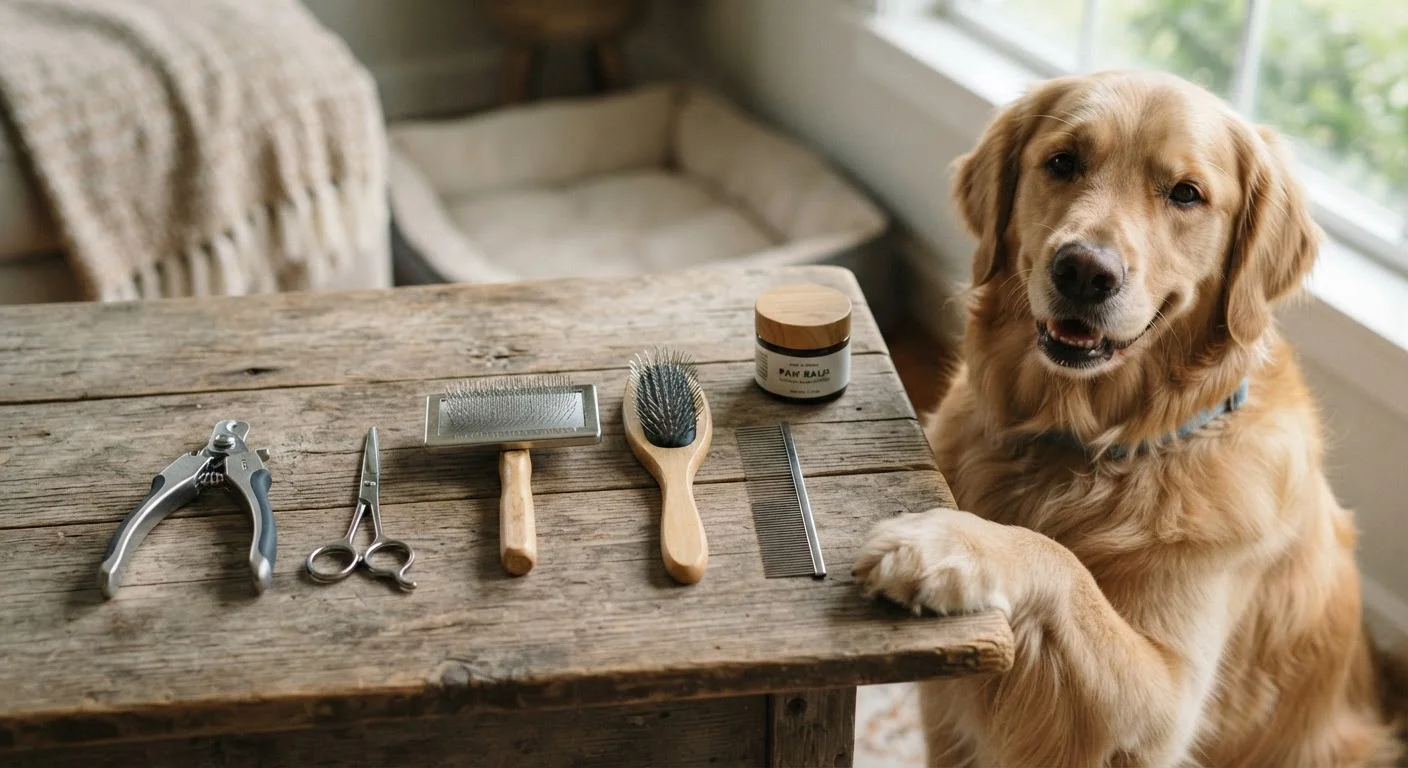
Photo: SaverSteals.com | Explore More. Shop Smarter. editorial
—— In This Article
Key Takeaways
- Cutting nails too short is one of the most common causes of painful bleeding during home grooming.
- Using dull or incorrect scissors near ears and paws significantly increases the risk of accidental cuts.
- Skipping a calm, gradual introduction to grooming tools often causes stress injuries from pet movement.
- Improper ear cleaning technique can push debris deeper and lead to infections requiring veterinary treatment.
- Many grooming injuries are preventable with the right tools, adequate lighting, and a slow approach.
Why Home Grooming Injuries Happen More Than Owners Expect
Home grooming is a practical way to reduce pet care costs — but it carries real risks when approached without preparation. Unlike professional groomers who handle dozens of animals weekly, most pet owners groom infrequently, work with unfamiliar tools, and often underestimate how quickly a small mistake becomes a painful — and expensive — problem.
The good news is that the most common grooming injuries are predictable and preventable. Understanding where owners go wrong is the first step toward making home grooming genuinely safe and cost-effective. For a broader look at what you can safely handle at home versus what warrants a professional, see our guide to safe at-home grooming.
Cutting nails too short and hitting the quick — the blood vessel inside the nail.
Why it happens: Owners often rush the process or misjudge depth, especially on dark-colored nails where the quick is invisible from the outside.
Using scissors or clippers near sensitive areas — paws, ears, and groin — without proper restraint or lighting.
Why it happens: Pets move unpredictably, and owners often underestimate how quickly an animal can shift position mid-clip.
Cleaning ears by inserting a cotton swab or finger too deeply into the ear canal.
Why it happens: Owners assume deeper cleaning is more thorough, or they're trying to remove visible debris from down inside the canal.
Bathing a pet without fully drying them, especially in thick double-coated breeds.
Why it happens: Owners assume the pet will air-dry fine or aren't aware that moisture trapped at the skin level creates ideal conditions for fungal and bacterial growth.
Forcing a fearful or agitated pet through grooming rather than pausing.
Why it happens: Time pressure leads owners to push through resistance, and many don't recognize early stress signals like lip-licking, yawning, or a tucked tail.
Neglecting to check for mats before bathing, causing water to tighten tangles into painful knots.
Why it happens: Many owners bathe first and brush after, not realizing that water causes loose mats to contract and become nearly impossible to remove without cutting.
When a Grooming Mistake Turns Into a Vet Visit
Some grooming errors are immediately obvious — visible bleeding from a clipped quick, a cut from scissors. Others are slower to surface: an ear infection that builds over several days after improper cleaning, or a skin rash developing under a coat that wasn't dried properly. Both types can result in vet bills that far exceed the money you saved by grooming at home.
Grooming Injuries Can Become Expensive Fast
A nicked quick or an untreated ear infection from improper cleaning can escalate into a vet visit costing $100–$400 or more. Home grooming is only cost-effective when done correctly. If you're unsure about any step, stopping and consulting a professional is almost always the less expensive choice in the long run.
If your pet shows signs of pain, excessive licking of a groomed area, head-shaking, or visible swelling after a home grooming session, don't wait to see if it resolves on its own. Early treatment is almost always less invasive and less costly than allowing an infection or wound to worsen. Our article on keeping vet bills manageable covers how to handle those costs when they do arise.
Never Use Human Grooming Tools on Pets
Human nail clippers, hair scissors, and ear-cleaning solutions are not designed for animal anatomy. Pet nails are structurally different from human nails, and many human ear products contain ingredients harmful to dogs and cats. Always use tools specifically labeled for veterinary or pet grooming use.
Home grooming fits within a broader strategy of responsible, budget-aware pet care. When done carefully, it genuinely reduces spending — but it requires honest assessment of your skill level and your pet's tolerance. Skipping grooming entirely to avoid the risk is not a safe alternative; matting, overgrown nails, and dirty ears all cause their own health problems over time.
This article is for informational purposes only and does not constitute veterinary advice. Consult a licensed veterinarian for guidance on your specific pet's health and grooming needs.

Pets Editorial Team
Pets Editorial Team is the collective byline for our editorial team and contributor network. Articles published under this byline or an editorial pen name are researched, written, and reviewed according to our editorial standards for clarity, consistency, and independence before publication.
View author profile