
At-Home Grooming for Dogs and Cats: What You Can Safely Do Yourself
Professional grooming is expensive. This guide explains which grooming tasks pet owners can handle at home and how to do them safely and effectively.
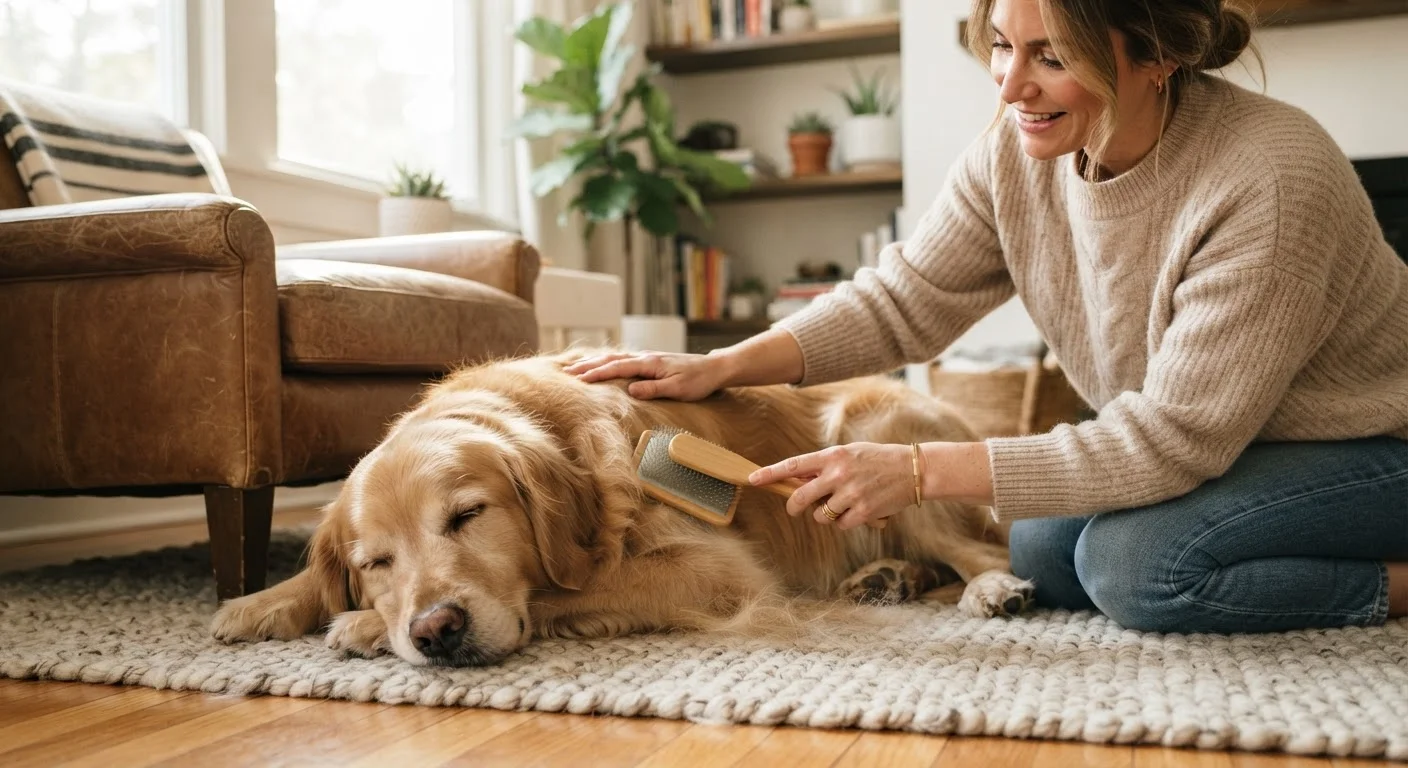
Photo: SaverSteals.com | Explore More. Shop Smarter. editorial
—— In This Article
Key Takeaways
- Brushing, basic bathing, ear cleaning, and nail filing are safely within most pet owners' skill sets.
- Nail clipping requires care — cutting the quick causes pain and bleeding; know when to stop.
- Facial trimming and anal gland expression should generally be left to professional groomers or vets.
- Starting grooming routines early reduces stress for both the animal and the owner.
- Proper tools matter — the wrong brush or clippers can damage coat and skin over time.
Why At-Home Grooming Is Worth Learning
Professional grooming appointments can run anywhere from $40 to over $100 per session depending on pet size, coat type, and location — and for long-haired breeds that need grooming every 6–8 weeks, the annual cost adds up fast. For a full breakdown of what pet ownership actually costs, grooming is one of the categories where owner effort can meaningfully offset spending.
The good news: a meaningful portion of grooming is teachable. You don't need professional training to brush your dog, clean your cat's ears, or trim your pet's nails. What you do need is the right information, appropriate tools, and a clear sense of where the limits of DIY end.
This guide covers the specific tasks that are genuinely safe for home practice, the tools required for each, and the steps to follow — along with honest guidance on what to leave to the professionals.
What you will need
Tools You'll Need Before You Start
Investing in the right equipment once pays dividends over years of grooming. Avoid the temptation to improvise with human tools — dog and cat coats, skin pH, and nail structure differ enough that mismatched equipment can cause real harm.
Slicker brush or deshedding brush
Removes loose fur, debris, and mild tangles from the coat without damaging skin.
Metal comb
Checks for remaining tangles and mats after brushing, especially in long-haired pets.
Pet nail clippers or grinder
Trims nail length to prevent overgrowth, splitting, and posture problems.
Styptic powder
Stops minor bleeding quickly if the nail quick is accidentally nicked during trimming.
Pet-safe ear cleaning solution
Loosens wax and debris from the outer ear canal for safe removal with a cotton ball.
Pet-formulated shampoo
Cleans coat and skin without disrupting the pH balance specific to dogs or cats.
Non-slip bath mat
Prevents slipping in the tub or sink, reducing stress and injury risk during bathing.
Detangling spray
Eases combing through knots in medium- to long-haired coats without pulling.
If you're setting up a full pet care kit from scratch, the first-timer's supply roadmap can help you prioritize what to buy and what to skip initially.
Step-by-Step: Core At-Home Grooming Tasks
The steps below cover the four grooming tasks most safely handled at home: brushing, bathing, ear cleaning, and nail maintenance. Work through them in order when doing a full grooming session, or address them individually as needed.
Brush the coat thoroughly before any bathing
Begin every grooming session with brushing — never after bathing, since water tightens mats and makes them harder to remove. Work section by section from head to tail, brushing in the direction of hair growth. Pay extra attention to areas prone to matting: behind the ears, under the collar, armpits, and around the hindquarters.
For cats, keep sessions short (5–10 minutes) and watch for overstimulation signals like tail flicking or skin twitching — these indicate it's time to pause.
Bathe your pet using lukewarm water and pet-safe shampoo
Wet the coat thoroughly, avoiding the ears and eyes. Apply a small amount of pet-formulated shampoo and work it in gently from neck to tail. Rinse completely — soap residue left on skin causes itching and flaking. Most dogs need bathing every 4–8 weeks; healthy cats rarely need baths unless they've gotten into something sticky or toxic.
Dry with a towel and, if your pet tolerates it, a low-heat hair dryer on the coolest setting held at least 12 inches from the coat.
Clean the outer ears with solution and cotton balls
Apply a small amount of vet-approved ear cleaning solution to a cotton ball — never pour liquid directly into the ear canal. Gently wipe the visible portions of the inner ear flap and the accessible outer canal. Stop if you see dark discharge, smell an odor, or your pet shows pain on contact — these are signs of infection requiring veterinary attention, not home treatment.
Clean ears no more than once every 2–4 weeks unless your vet recommends otherwise; over-cleaning strips protective wax.
Trim or file nails carefully, one paw at a time
Hold one paw firmly but gently. Identify the quick — the pink blood vessel visible through light-colored nails. On dark nails, clip small slivers at a time and stop when you see a dark center dot in the cross-section (the quick's edge). Clip just the curved tip, angling the cut slightly downward.
If your pet is highly nail-sensitive, use a rotary nail grinder instead — it removes material gradually and many pets tolerate it better than the snapping sensation of clippers. Have styptic powder ready, and apply firm pressure with it if bleeding occurs.
Know When to Stop and Seek Help
If your pet becomes aggressive, freezes, or shows signs of extreme fear during grooming, stop immediately. Forcing a grooming task on a highly stressed animal risks injury to both of you and can make future grooming much harder. A veterinary behaviorist or certified professional trainer can help desensitize pets with severe grooming anxiety before you resume at-home care.
For a detailed look at what can go wrong and how to avoid those mistakes, see our companion article on common home grooming errors.
Tasks to Leave to the Professionals
Not every grooming task belongs at home. The following procedures carry a meaningfully higher risk of injury or infection when performed without proper training:
- Anal gland expression: Incorrect technique can cause rupture or infection. This should be performed by a vet or trained groomer.
- Ear hair removal (certain breeds): Some dogs accumulate hair deep in the ear canal. Pulling it incorrectly causes inflammation.
- Dematting severely matted coats: Forcing apart tight mats pulls skin and causes pain. A groomer with proper tools and sedation access is safer.
- Facial trimming around eyes and muzzle: Working with scissors near the face requires restraint skills most pets at home won't tolerate safely.
- Full-body clipping of double-coated breeds: Shaving double coats (like Huskies or Collies) can permanently alter coat regrowth and impair natural temperature regulation.
When in doubt, a single professional session for a complex task is far less expensive than an emergency vet visit. The guide to managing vet costs covers how to weigh those trade-offs sensibly.
Build Grooming Into Your Routine Early
Pets that are introduced to handling, brushing, and paw touching as young animals tolerate grooming far more easily as adults. Even a few minutes of gentle handling daily — touching ears, paws, and mouth — builds the tolerance that makes at-home grooming sessions manageable long-term. It's one of the highest-return habits a new pet owner can build. See the budget pet care starter framework for more habits worth establishing early.

Pets Editorial Team
Pets Editorial Team is the collective byline for our editorial team and contributor network. Articles published under this byline or an editorial pen name are researched, written, and reviewed according to our editorial standards for clarity, consistency, and independence before publication.
View author profile