
Signals That a Furniture Sale Is Genuinely Worth Acting On
Not all discounts reflect real savings. These indicators help you assess whether a promotional price is meaningfully lower than usual.
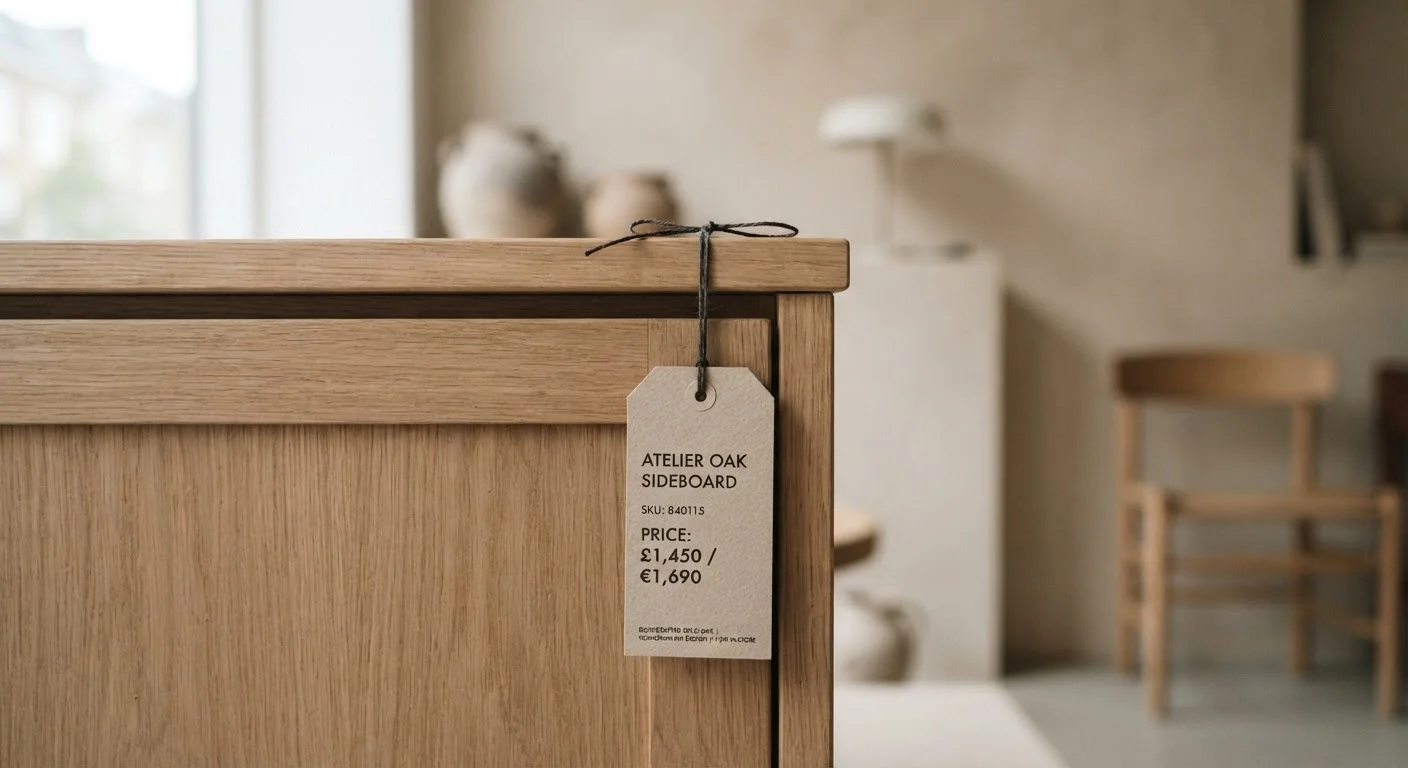
Photo: SaverSteals.com | Explore More. Shop Smarter. editorial
—— In This Article
Key Takeaways
- Genuine furniture discounts typically align with predictable seasonal windows, not random promotions.
- A meaningful price drop can be verified by tracking the item's baseline price over several weeks.
- Model changeovers and floor sample clearances tend to produce the steepest legitimate markdowns.
- Stacked discounts - where a sale price can be combined with coupons or financing - often indicate real urgency to clear inventory.
- Inflated 'original' prices are a common tactic; always confirm what an item actually sold for previously.
Why Most Sales Don't Deserve Your Attention
Furniture retailers run promotions constantly - holiday weekends, end-of-season events, anniversary sales - but the vast majority of these don't represent a meaningful reduction from what the item normally costs. Savvy shoppers who've learned basic discount strategies still get tripped up here because furniture pricing is unusually opaque. Markups are wide, 'original' prices are often set artificially high, and percentage-off banners are easy to manufacture without moving the actual shelf price much.
The good news is that real deals do exist, and they follow identifiable patterns. Understanding those patterns - rather than reacting to promotional language - is what separates a genuine saving from a wasted afternoon. See our furniture sales calendar for a breakdown of which months historically bring the deepest markdowns and why.
The signals below are concrete indicators worth watching for. Each one reflects a situation where a retailer has an actual business reason to lower prices, not just a marketing reason to say they have.
The price has been stable for weeks, then dropped
A discount means something only when there's a reliable baseline to measure against. If a sofa has listed at $1,199 for the past two months and suddenly drops to $899, that's a verifiable movement. If the 'original' price appeared last week and the discount arrived this week, the baseline was likely manufactured for the promotion.
Use price-tracking browser extensions or simply check the product page on several visits over a few weeks before a known sale season. Stability followed by a drop is one of the clearest genuine signals.
A discount only means something when the baseline price has been stable for weeks beforehand.
It coincides with a model changeover or line discontinuation
Furniture manufacturers refresh collections periodically, and retailers need floor and warehouse space for incoming stock. When a line is being discontinued, the markdown motivation is real - the retailer cannot return unsold units to the manufacturer and has carrying costs for every piece sitting in the warehouse.
Watch for language like 'while supplies last,' 'final stock,' or 'discontinued colorway.' These phrases, when applied to items that have genuinely been in the catalog for a while, tend to precede the deepest legitimate price cuts.
Discontinued lines create genuine clearance pressure - retailers can't afford to hold unsold inventory.
Floor samples and display models are included
Floor sample sales are structurally different from standard promotions. A display piece has been used, touched, and occasionally scuffed - the retailer has real incentive to clear it at a lower price, and the reduction is built into the item's actual condition rather than manufactured from an inflated original price.
Inspect floor samples carefully for structural integrity (check joints, frame stability, drawer slides) and surface condition. Minor cosmetic wear on a solid-frame piece is often an acceptable trade-off for a meaningful price reduction.
Floor sample discounts reflect real condition trade-offs, not manufactured savings.
The sale aligns with a known seasonal window
Furniture historically sees its sharpest genuine markdowns during a handful of predictable periods: late January through February (post-holiday inventory clearance), late summer around Labor Day, and the period immediately following major holidays when new stock arrives. Promotions that fall inside these windows are more likely to reflect actual inventory pressure than those on random weekdays.
Timing your purchase to these windows doesn't guarantee a deal, but it meaningfully improves the odds that a listed discount reflects a real reduction rather than a promotional gimmick.
Sales that align with post-holiday or seasonal changeover windows carry more credibility than random promotions.
Stacking is allowed - coupons, store credit, or financing apply
When a retailer permits a sale price to be combined with additional coupons, loyalty credits, or promotional financing, it's often a sign that their margin on the item is already compressed - they need the volume. Retailers protecting a thin-margin situation typically restrict stacking explicitly.
Check the fine print. If a 20% sale price can also be paired with a 10% coupon code and interest-free financing, the retailer is signaling real flexibility, which usually means the markdown underneath is genuine.
Stackable discounts suggest the retailer is prioritizing volume over margin - a useful signal.
Multiple retailers are moving the same category simultaneously
When several unrelated retailers reduce prices on the same furniture category within a short window, it usually reflects a shared market condition - slower consumer demand, an oversupply situation, or a seasonal shift - rather than coordinated marketing. That kind of broad, category-wide pressure tends to produce real price competition.
If you're seeing sofas marked down at multiple stores simultaneously without a manufactured holiday event, the underlying pricing is more likely to reflect genuine cost reductions. The same logic applies in other categories: spotting genuine markdowns on tools involves looking for this same kind of market-wide movement rather than isolated promotional noise.
Category-wide price drops across multiple retailers usually indicate real market pressure, not marketing.
Making a Confident Decision
Furniture is one of the few categories where patience is almost always rewarded. If a price feels right but you can't verify it against these signals, waiting a few weeks rarely means missing out permanently - the same item or a close equivalent will surface again. The retailers who genuinely need to move inventory will make that clear through the markers described above.
Track Before You Shop
Before any major sale event, spend two to three weeks noting the regular price of the specific items you're considering. Screenshot product pages or paste prices into a simple notes app. When the sale hits, you'll have a real baseline to compare against - not just the retailer's stated 'original' price.
The same critical lens applies across categories. Inflated original prices are common in electronics too, and the verification approach transfers directly - check price history before treating any crossed-out number as proof of savings.
When in doubt, focus less on the discount percentage and more on whether the final price fits your budget and your space. A 10% reduction off a fair baseline beats a 40% reduction off a fictitious one every time.

Furniture Editorial Team
Furniture Editorial Team is the collective byline for our editorial team and contributor network. Articles published under this byline or an editorial pen name are researched, written, and reviewed according to our editorial standards for clarity, consistency, and independence before publication.
View author profile