
Retailer Return Policies and What They Mean for Electronics Buyers
A strong return window is part of the real cost of a purchase. Understand how policies vary and which conditions are common deal-breakers.
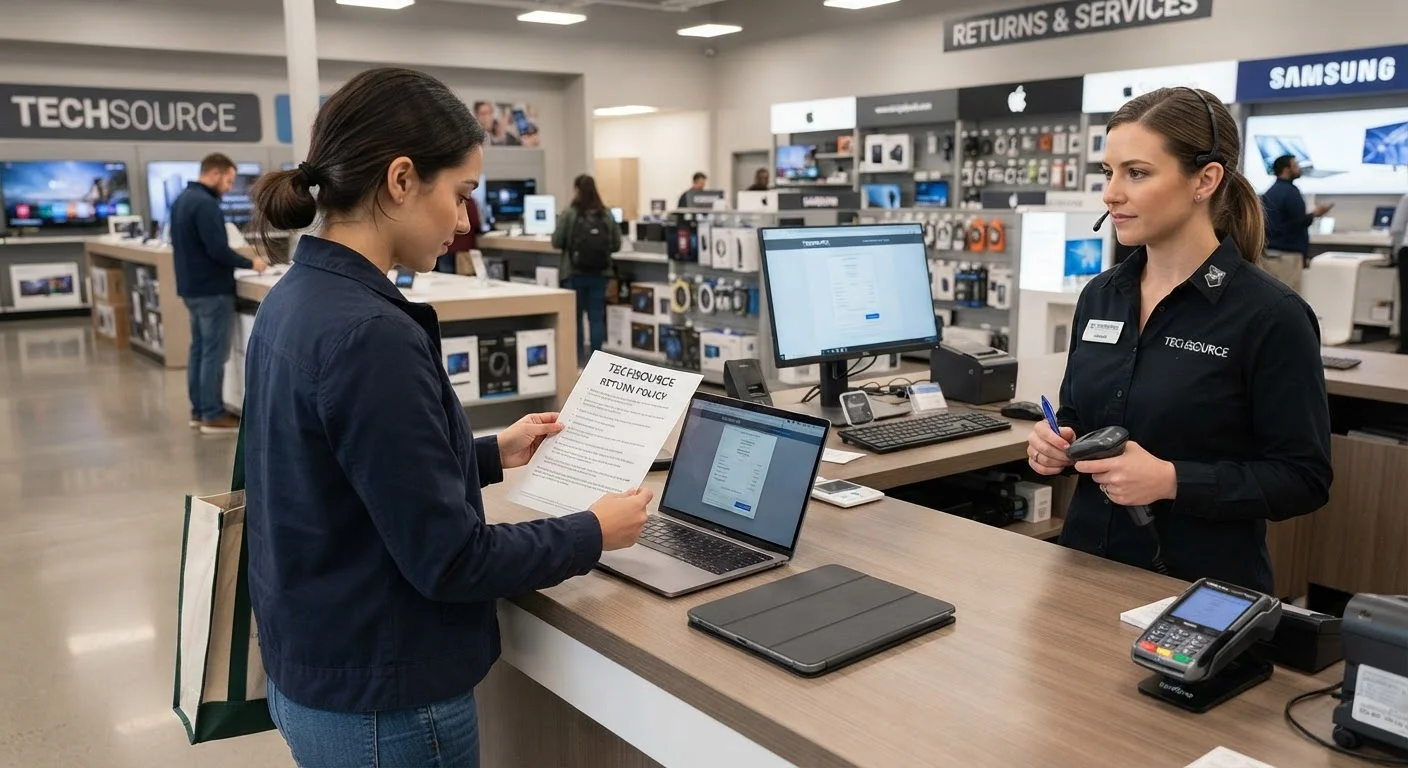
Photo: SaverSteals.com | Explore More. Shop Smarter. editorial
—— In This Article
Why Return Policy Terms Are Part of the Purchase Price
A return policy isn't a customer service courtesy - it's a financial condition attached to your purchase. If a retailer's window is 15 days and you discover a defect on day 16, you bear that cost. Treating the return policy as a core purchasing variable - on par with price, warranty, and product condition - is one of the most reliable ways to avoid expensive surprises with electronics.
| Typical electronics return window | 15-30 days (Standard range across major U.S. retailers) |
| Common restocking fee range | 10%-20% of purchase price (Varies by retailer and product category) |
| Return window for final-sale items | 0 days (non-returnable) (Applies to clearance and deeply discounted electronics) |
| Original packaging requirement | Required by most retailers (Missing accessories or packaging may void the return) |
| Extended holiday return period | Commonly through early January (Many retailers extend windows for November-December purchases) |
| Refurbished item return windows | Often shorter (7-15 days) (Depends on seller program and channel) |
Electronics have unique return complications that don't apply to most other product categories. Activation, device registration, software downloads, and missing accessories can all affect whether a return is accepted. Some retailers will reject a return if a device has been activated, even within the stated window. Others require all original packaging, cables, and documentation - losing any of these can result in a partial refund or outright refusal.
For refurbished purchases specifically, the stakes are higher and the terms less uniform. See the guide to warranty and return rights for refurbished electronics for a detailed look at how these protections differ from new-item coverage.
Key Policy Conditions to Review Before You Buy
Most return policy disputes arise not from dishonest retailers but from conditions the buyer overlooked. Before purchasing any electronics item, confirm the following terms in writing:
- Window length: Confirm the number of days and whether it starts at purchase date or delivery date.
- Opened vs. unopened distinction: Many retailers apply stricter rules once a product is removed from its original box.
- Restocking fees: Check whether a fee applies, what percentage it represents, and whether exceptions exist for defective items or loyalty members.
- Required condition: Original packaging, all included accessories, and proof of purchase are typically mandatory for a full refund.
- Final-sale exclusions: Clearance, open-box, and heavily discounted items are frequently marked non-returnable.
- Digital content and activation: Once software is downloaded or a device is registered to an account, returns may be refused regardless of the stated window.
Holiday Return Extensions Are Not Automatic
Many retailers extend return windows during the November-December holiday period, but the extension applies to the purchase date - not the date an item is received or opened. If you are buying a gift in early November, verify whether the policy window covers the period through when the recipient will actually open it. Extension terms vary widely and are not standardized across retailers.
Marketplace Sellers Follow Different Rules
When purchasing electronics through a third-party seller on a marketplace platform, the return policy is set by that seller - not the platform itself. Marketplace seller policies can range from generous to extremely restrictive. Always read seller-specific return terms before completing a purchase, and verify whether the platform offers any buyer protection guarantee that overrides seller policy in dispute cases.
The common assumptions that lead to disappointing refurbished purchases covers how overlooking return windows is one of the most frequent and preventable mistakes electronics buyers make. Reviewing these terms takes minutes and can prevent significant financial loss.
How Return Policies Vary Across Purchase Channels
Where you buy electronics determines which return framework governs the transaction. Manufacturer-direct storefronts, large-format retail chains, carrier stores, and marketplace platforms each operate under distinct rules.
Return window
The number of days a retailer allows you to return a product for a refund or exchange. Windows for electronics commonly range from 15 to 30 days, and some loyalty programs offer extensions.
Restocking fee
A charge deducted from your refund when you return an opened item. Electronics restocking fees typically range from 10% to 20% of the purchase price and should be disclosed in the retailer's return policy.
Open-box item
A product removed from its original packaging - whether due to a prior return, display use, or inspection. Open-box items often carry shorter or modified return windows compared to new stock.
Final sale
A purchase designated as non-returnable and non-exchangeable. Electronics sold as final sale - often clearance or deeply discounted - typically cannot be returned under any circumstances.
Certified refurbished
A used device inspected, repaired to a defined standard, and repackaged by the manufacturer or an authorized program. Return policies for certified refurbished items vary by program and retailer.
DOA (Dead on Arrival)
A product that is non-functional immediately upon unboxing. Most retailers have expedited replacement or refund processes for DOA electronics, separate from the standard return window.
Manufacturer-direct purchases often carry consistent return terms for certified refurbished units, though windows may be shorter than retail. Large-format retailers typically publish standardized policies with clear category-specific exceptions. Carrier stores frequently impose 15-day windows tied to the activation date, compressed further by return-to-stock processing timelines. Marketplace sellers operate under their own terms - the platform may provide a baseline buyer guarantee, but individual seller policies vary substantially.
Understanding the device's origin also matters. The source of a refurbished device - whether it was a consumer return, trade-in, or display unit - can affect what the seller will accept back and under what conditions. Return policies for electronics also differ meaningfully from other retail categories; the comparison with clothing return policies during sales illustrates how category-specific rules shape buyer risk differently. For a consolidated reference covering all aspects of refurbished electronics purchasing, the complete buyer's reference for refurbished electronics is a practical starting point.

Electronics Editorial Team
Electronics Editorial Team is the collective byline for our editorial team and contributor network. Articles published under this byline or an editorial pen name are researched, written, and reviewed according to our editorial standards for clarity, consistency, and independence before publication.
View author profile