

Key Takeaways
Why Cheap Decor Gets a Bad Rap (And When It Deserves It)
Let's be honest: we've all bought something that looked dreamy in the product photo and arrived looking like it was assembled by someone who had never seen the object it was meant to be. Wobbly legs, plasticky sheen, colors that scream "clearance bin" - not exactly the vibe. But here's what I want you to know: that's not a price problem. That's a selection problem.
The difference between budget decor that elevates a space and budget decor that embarrasses it comes down to a handful of design principles and shopping habits - none of which require spending more money. Plenty of expensive items look cheap too (hello, trendy fast-home pieces that start peeling within a season). And plenty of $8 thrift-store finds look like they belong in an Architectural Digest spread.
The skill isn't in having a large budget. The skill is in knowing what to look for, what to avoid, and how to style what you find. That's exactly what this guide is about.
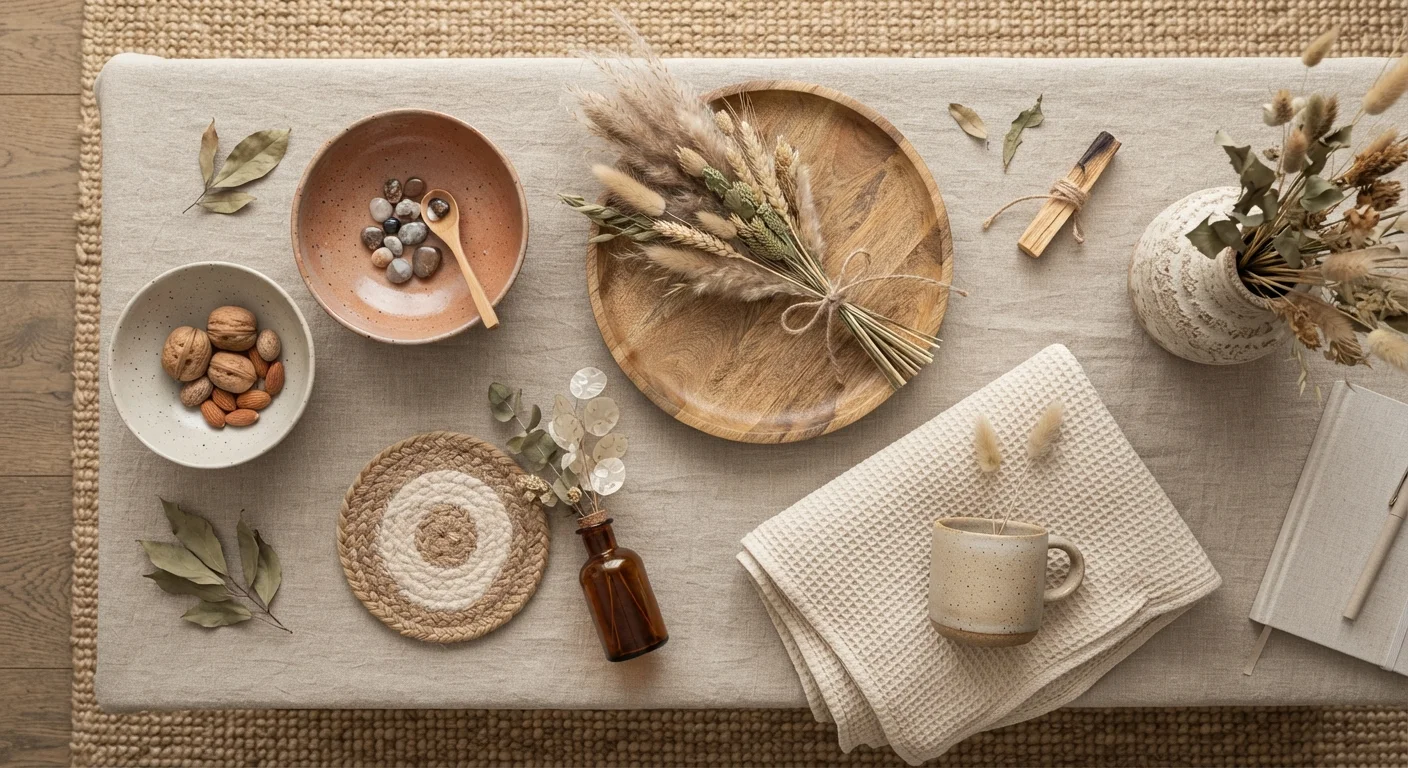
Think of your home the same way you might think about a wardrobe: it's not the cost of individual items that creates a polished look, it's how they work together. The principles below will help you build a space that looks intentional, curated, and genuinely stylish - on whatever budget you're working with right now.
The Design Principles That Do the Heavy Lifting
Before you buy a single thing, understanding a few core design principles will save you from costly (and demoralizing) mistakes. These aren't gatekept design-school secrets - they're just the invisible logic behind why some rooms feel right and others feel off.
Once these principles become second nature, you'll start seeing potential everywhere - in a $3 candleholder, a mismatched set of frames, or a lonely ceramic bowl at a garage sale. Design literacy is genuinely one of the most powerful free tools available to a budget shopper.
For more guidance on where to physically find these pieces once you know what you're looking for, check out where affordable decor actually hides - it's packed with sourcing strategies that consistently turn up quality finds.
Material and Texture: The Real Giveaways of Cheap vs. Quality
If there's one thing that separates a room that looks expensive from one that doesn't, it's texture. Specifically: layered, varied, tactile materials that give the eye something real to rest on. A room full of shiny plastics and flat surfaces signals "budget" even if you spent a fortune. A room with linen, wood grain, ceramic, and woven fiber signals "curated" even if you spent almost nothing.
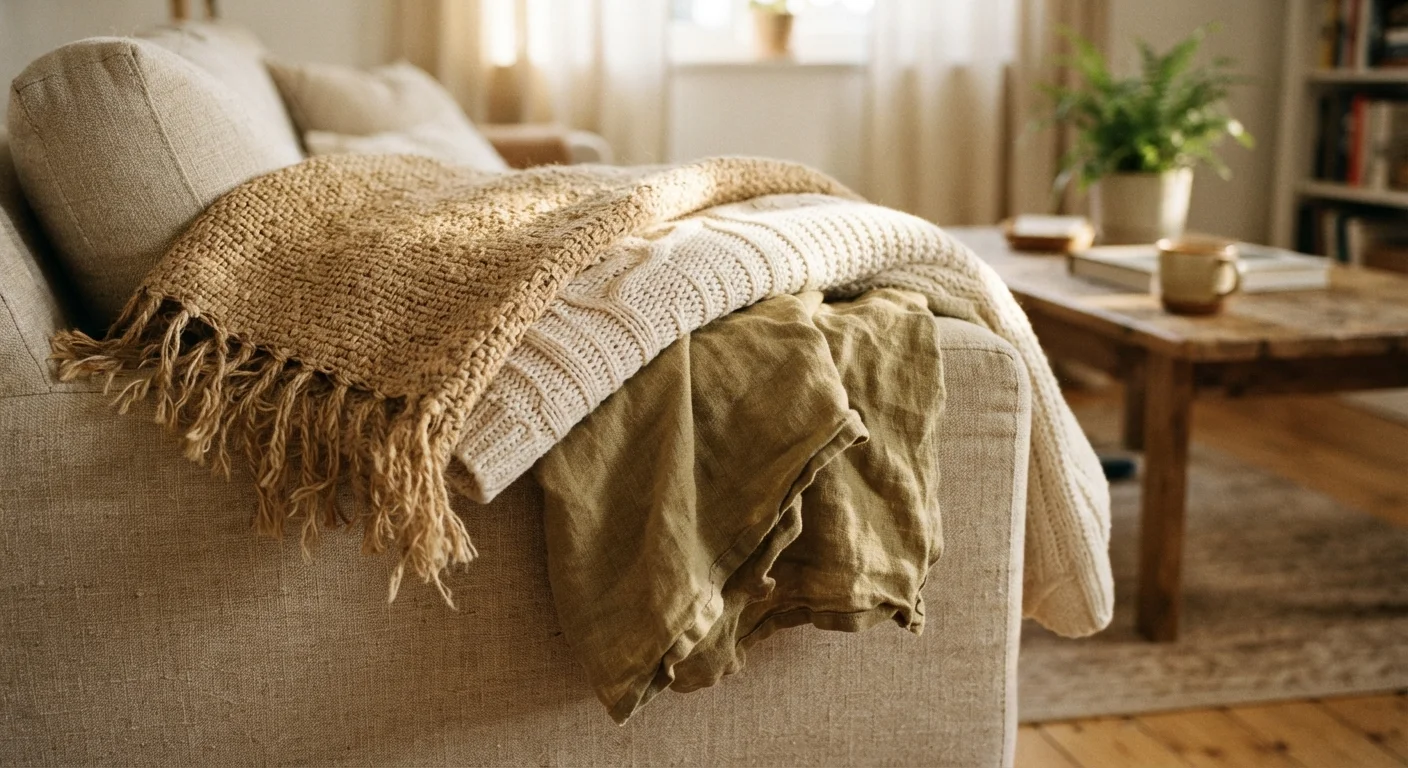
Here's a quick cheat sheet for material swaps that punch above their price point:
- Swap plastic frames for wood or metal - even inexpensive versions. Natural materials read as quality.
- Add a jute or wool-blend rug instead of a synthetic pile rug. The texture difference is immediately visible.
- Choose matte finishes over high-gloss for most decorative objects. Matte reads as more intentional and less "imported from a party supply store."
- Layer textiles - a throw over a cushion over a sofa transforms a flat surface into something inviting.
- Introduce one natural element - a plant, a wooden bowl, a stone object - to ground a room and make everything else look more considered.
This is also where thrifting absolutely shines. Older pieces were often made with better materials than their modern equivalents at the same price point. A ceramic vase from an estate sale will almost always feel more substantial and look more distinctive than a new one from a budget import store. The patina of real materials ages beautifully; plastic just looks tired.
The Strategic Splurge: Know Where Cheap Actually Costs You
Budget decorating isn't about spending the least possible on everything. It's about knowing exactly where your dollars create the most visible impact - and where you can go cheap without anyone noticing (including yourself).
The general rule: go bigger on large-scale or high-touch items and cut corners on small decorative accents. A quality sofa that'll last a decade is worth stretching for. The decorative objects on your shelves? Thrift those. No one is inspecting your candleholders.
Conversely, think about what the eye naturally lands on in a room. Flooring, large rugs, statement lighting, and upholstered pieces are what people register first and what set the overall impression. Artwork, throw pillows, and small ceramics are supporting players - and they can absolutely come from a dollar store or a box of cast-offs at a garage sale.
This same logic applies beyond home decor - it's the same principle behind knowing which kitchen tools are worth spending on versus which ones you can buy for next to nothing. Strategic investment, not blanket frugality, is the real move.
“Good design is not about spending a lot of money. It's about making smart choices - knowing what to keep, what to cut, and how to create a sense of intention in a space.”
— Nate Berkus, Interior designer and author of 'The Things That Matter'
Quick Wins You Can Implement Before Spending a Penny
Here's my favorite thing to tell anyone who thinks their home looks tired or cheap: the problem might not be what's in your home, it's how it's arranged. Styling is free. Editing is free. Rearranging is free. And yet these three things do more for a room's perceived quality than almost any purchase you could make.
I cannot overstate how transformative a good declutter is. Visual clutter is the fastest way to make even high-end pieces look chaotic and cheap. When you remove the excess, what remains suddenly looks intentional - because it is. You didn't spend anything; you just made thoughtful choices about what deserves space.
If you want to go deeper on the sourcing side - actually hunting for pieces worth keeping - the secondhand shopping guide is a genuinely useful starting point for navigating thrift stores and resale platforms without getting overwhelmed.
Putting It All Together: Styling the Budget Room That Actually Impresses
Theory is great, but let's talk about what this looks like in practice. Here's how a room transformation might actually unfold using every principle in this guide:
- Start with a palette - choose two to three colors that will anchor every decision you make. Pull them from something you already own and love.
- Audit what you have - before buying anything, remove everything from your surfaces and only return what genuinely fits the palette or serves a purpose. What's left will probably look better already.
- Identify the one statement piece you need - maybe it's a rug, maybe it's a lamp. This is your strategic splurge. Hunt for it in secondhand markets first; you might find something far better than you could afford new.
- Fill in with textures from low-cost sources - thrift stores for ceramics and glassware, clearance sections for throw pillows, dollar stores for candles and small plants.
- Style in odd numbers and layers - group objects in threes, vary heights, overlap textiles slightly. This is the "designer trick" that costs nothing but looks expensive.
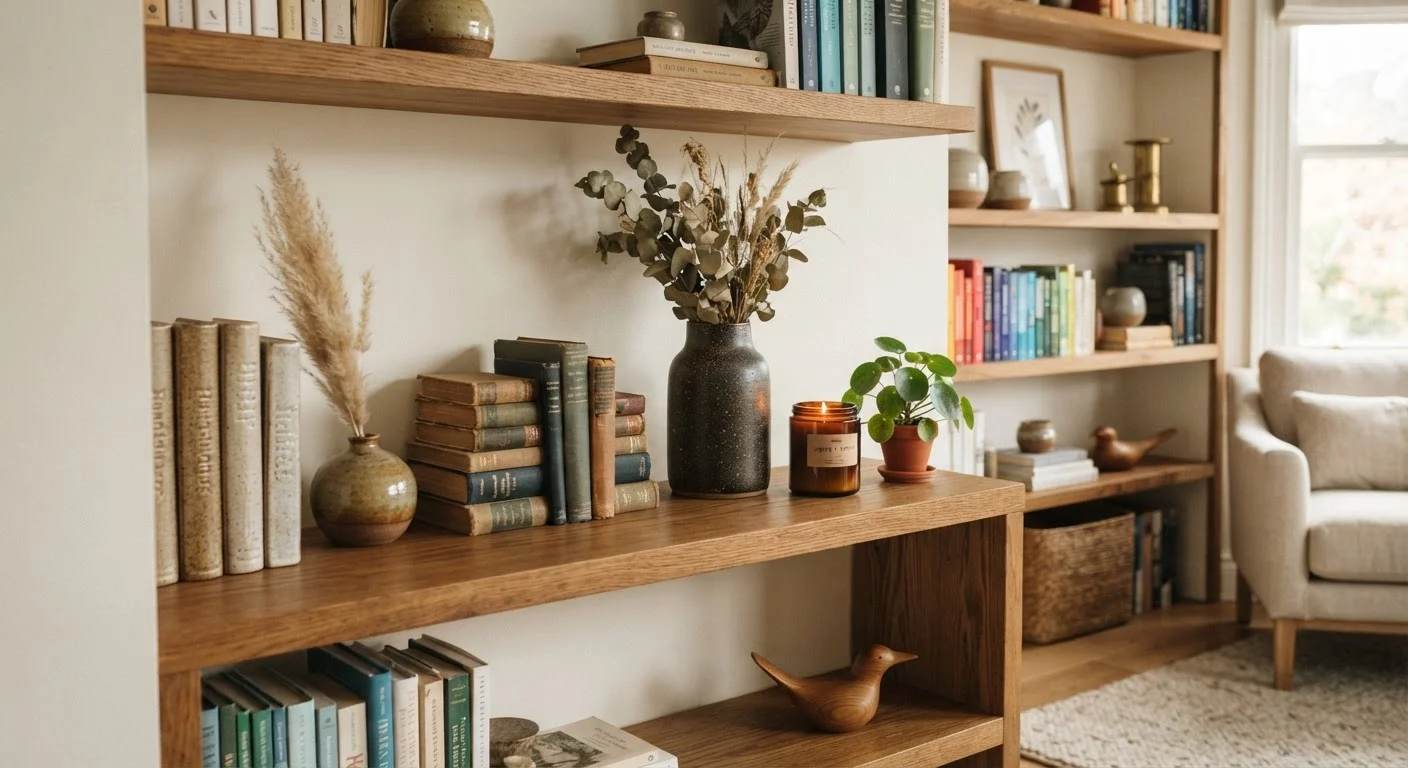
The result? A room that people walk into and say, "Oh wow, did you redo this?" - not because you spent a fortune, but because you made intentional decisions at every step. That's the real flex of budget decorating. It's not about hiding what things cost. It's about understanding design well enough that cost becomes almost irrelevant.
And if you ever want to apply that same sharp-eyed value thinking to another area of your home, take a look at kitchen essentials on a budget - the same "know what matters" philosophy translates perfectly.