

Key Takeaways
Our Verdict
Homemade cleaners genuinely hold their own against commercial products across all three cleaning categories - all-purpose, glass, and bathroom. The savings are real, the performance is comparable, and the ingredient lists are dramatically shorter. For the vast majority of everyday cleaning tasks, a well-made DIY formula is the smarter, cheaper choice.
| Best for | Recommended |
|---|---|
| Budget-conscious households wanting maximum savings | DIY All-Purpose Cleaner |
| Anyone dealing with stubborn soap scum or mildew | DIY Hydrogen Peroxide Bathroom Spray |
| Those who want streak-free mirrors and windows | DIY Glass Cleaner |
| Readers who want zero compromise on convenience or scent | Commercial brand with a coupon stack |
Why Homemade Cleaners Are Having Their Moment
Let's be real: the cleaning aisle is expensive, overwhelming, and - if we're being honest - kind of unnecessary. The average American household spends roughly $600 a year on cleaning products. That's a plane ticket. That's a month of groceries. That is way too much money to spend on something you literally pour down the drain.
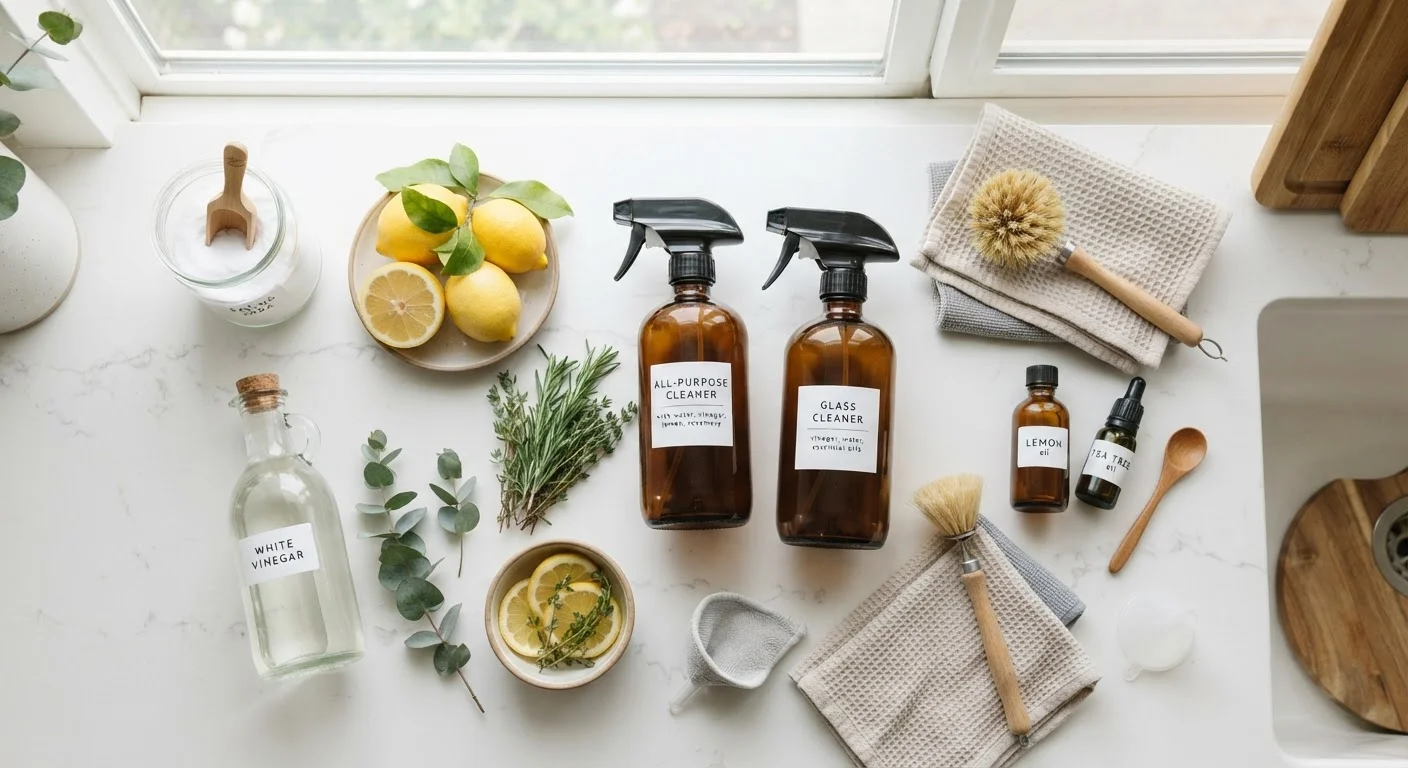
The good news? The gap between homemade and store-bought cleaners has never been smaller. With a handful of pantry staples - vinegar, baking soda, rubbing alcohol, castile soap, hydrogen peroxide - you can replicate the performance of nearly every cleaner in your cabinet. And I'm not talking about weak, "barely gets the job done" substitutes. I'm talking recipes that I've personally tested on baked-on stovetop grease, bathroom tile soap scum, and fingerprint-magnet mirrors.
Before we dive into the recipes and side-by-side comparisons, check out The Pantry Ingredients That Actually Clean Your Home for a deeper look at why these ingredients work at a chemistry level - it's genuinely fascinating and makes the recipes click in a whole new way.
All-Purpose Cleaner: DIY vs. The Commercial Heavyweights
All-purpose cleaner is the workhorse of the cleaning cabinet - countertops, appliances, cabinet fronts, light switches. You use it constantly, which means you buy it constantly. Here's where DIY savings snowball fastest.
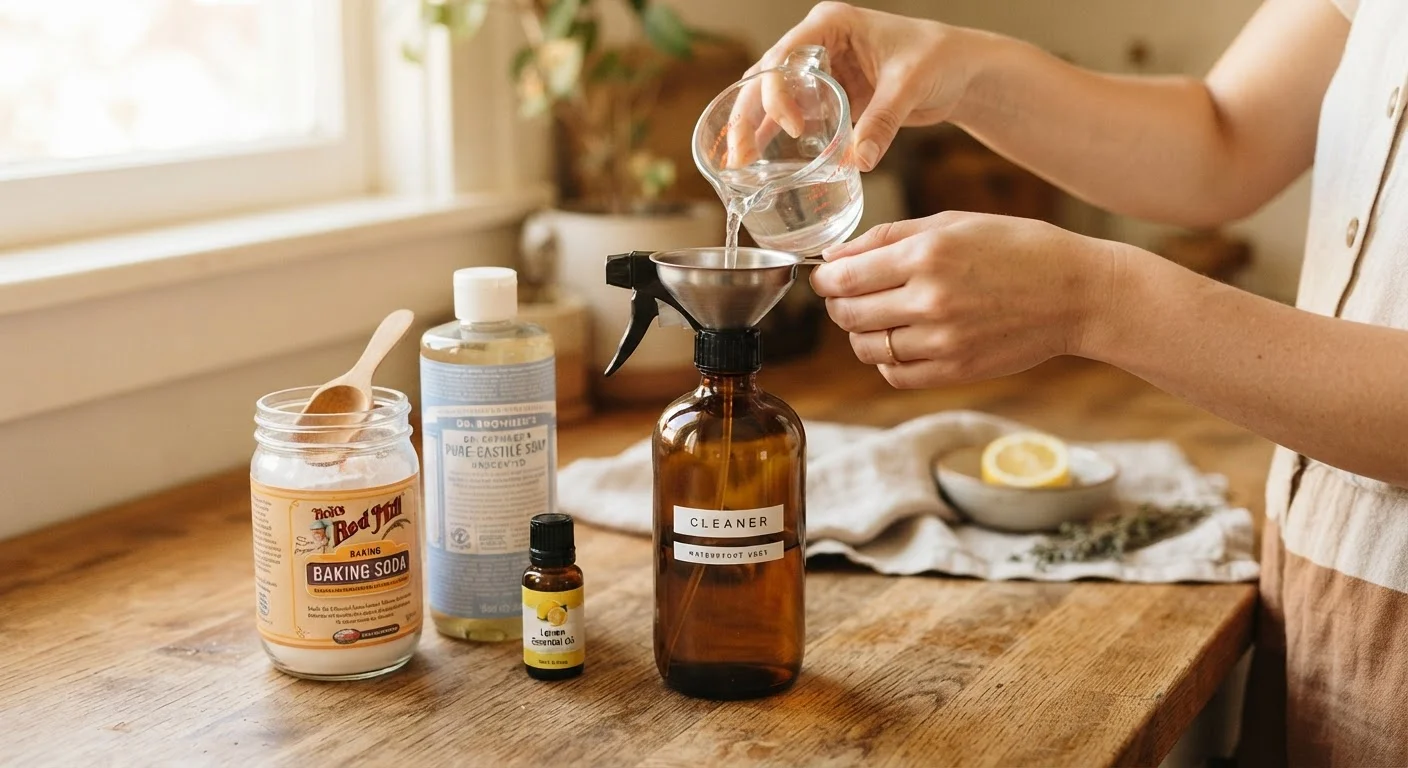
The DIY Recipe: Castile Soap All-Purpose Spray
- 2 cups warm water
- 1 tablespoon liquid castile soap (Dr. Bronner's is the go-to)
- 10-15 drops of essential oil (lavender, tea tree, or lemon work great)
- Optional: 1 teaspoon white vinegar for extra grease-cutting power
Directions: Combine in a 16 oz spray bottle. Shake gently before each use. That's it.
Cost per use: Approximately $0.04-$0.07, depending on your castile soap brand and bottle size.
How It Compares to Store-Bought
I ran this up against Lysol All-Purpose Cleaner ($4.97 for 32 oz, roughly $0.31/use) and Method All-Purpose Spray ($3.99 for 28 oz, roughly $0.28/use) on identical dirty countertop patches. The results? On everyday grime - food residue, dust, coffee rings - the castile soap spray matched both commercial options perfectly. On heavy grease near the stove, adding a small splash of white vinegar to the DIY formula closed the gap entirely.
Boost Performance With the Right Cloth
The single biggest upgrade you can make to any cleaning routine - DIY or commercial - is switching to microfiber cloths. They trap and lift particles rather than just pushing them around, which makes every formula work better. A pack of 12 microfiber cloths runs about $10-$15 and lasts years with proper washing. Pair them with your DIY glass cleaner and you will be genuinely shocked at the streak-free results.
Batch-Make on a Sunday Once a Month
Set a recurring monthly reminder to mix up your cleaning supplies. All three core recipes - all-purpose, glass, and bathroom spray - can be made in under 15 minutes total when your ingredients are ready to go. Keep a small 'cleaning pantry' bin with your vinegar, castile soap, rubbing alcohol, and hydrogen peroxide so everything is in one place. Making it a routine removes any friction and keeps you stocked without last-minute store runs.
Store Hydrogen Peroxide in Dark Bottles
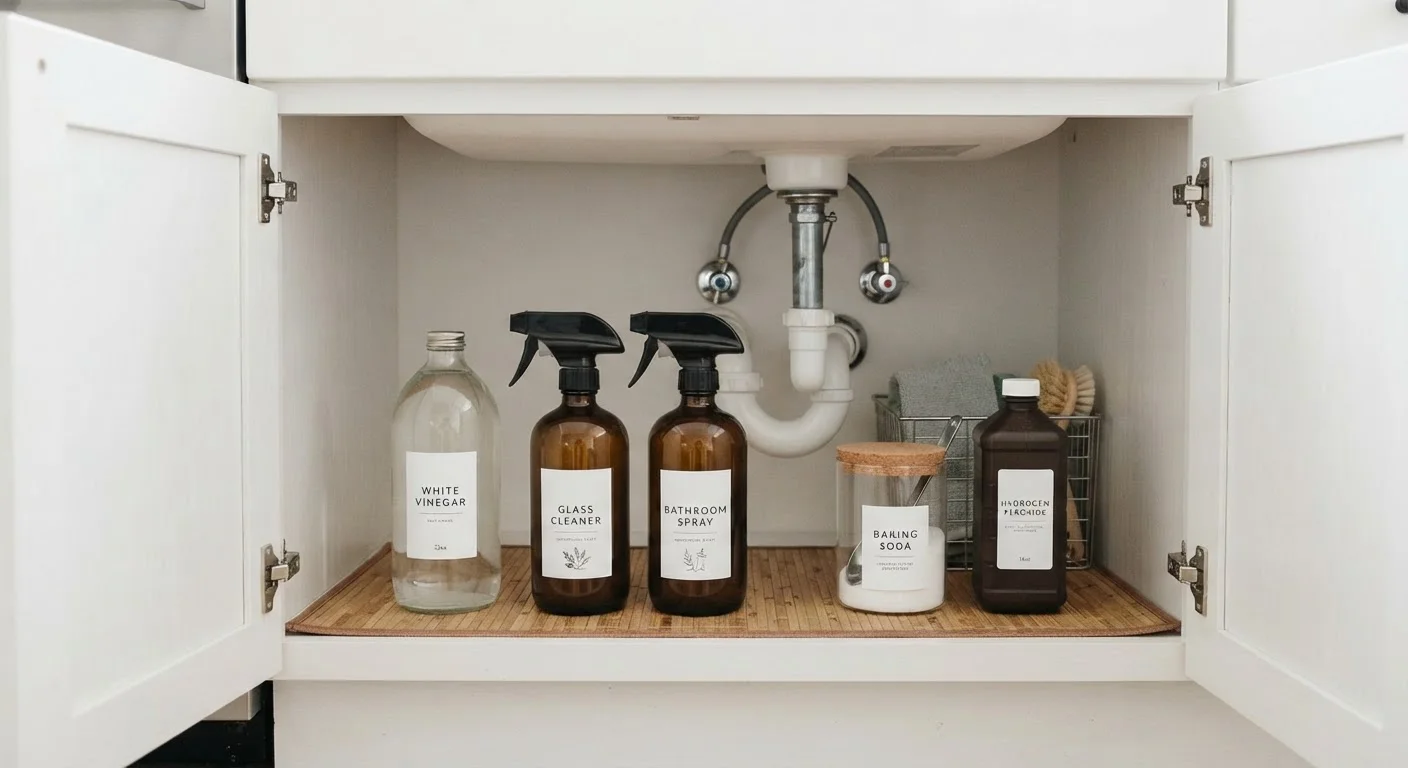
Hydrogen peroxide breaks down quickly when exposed to light, losing its effectiveness within days if stored in a clear spray bottle. Always use amber or opaque spray bottles for your bathroom cleaner recipe. The pharmacy bottles it comes in are already dark for this reason - you can refill those directly or decant into a labeled amber glass bottle. This small step ensures your DIY disinfectant formula actually works when you need it.
The one area where Method and Lysol have a slight edge is convenience packaging - their trigger mechanisms tend to be more consistent. But a quality reusable spray bottle ($3-$5 on Amazon) solves that permanently.
| Criteria | DIY All-Purpose | Commercial All-Purpose | DIY Glass Cleaner | Windex Original | DIY Bathroom Spray | Scrubbing Bubbles | |
|---|---|---|---|---|---|---|---|
| Cost per use | $0.04-$0.07 | $0.28-$0.40 | $0.03-$0.05 | $0.35 | $0.08-$0.12 | $0.45-$0.55 | |
| Everyday grime performance | Excellent | Excellent | Excellent | Excellent | Very good | Excellent | |
| Heavy grease/soap scum | Good (add vinegar) | Very good | N/A | N/A | Very good (with paste) | Excellent | |
| Streak-free finish | Excellent | Good | Excellent | Excellent | N/A | N/A | |
| Ingredients needed | 3-4 | Pre-mixed | 3-4 | Pre-mixed | 3-4 | Pre-mixed | |
| Fragrance customizable | Yes | No | Yes | No | Yes | No | |
| EPA disinfectant rating | No | Some formulas yes | No | No | No | Some formulas yes | |
| Annual cost (12 bottles) | $2-$4 | $40-$55 | $2-$3 | $50-$60 | $5-$8 | $60-$75 |
Glass Cleaner: Can You Really Beat Windex?
Windex is practically a cultural institution. The blue bottle has been cleaning mirrors and windows since 1933, and people are loyal. But here's the thing - the active cleaning ingredient in Windex is mostly isopropyl alcohol and a little ammonia. We can work with that.
The DIY Recipe: Streak-Free Glass Spray
- 1 cup rubbing alcohol (70% isopropyl)
- 1 cup water
- 1 tablespoon white vinegar
- Optional: 3-5 drops of blue or clear dish soap (just a tiny bit - too much causes streaks)
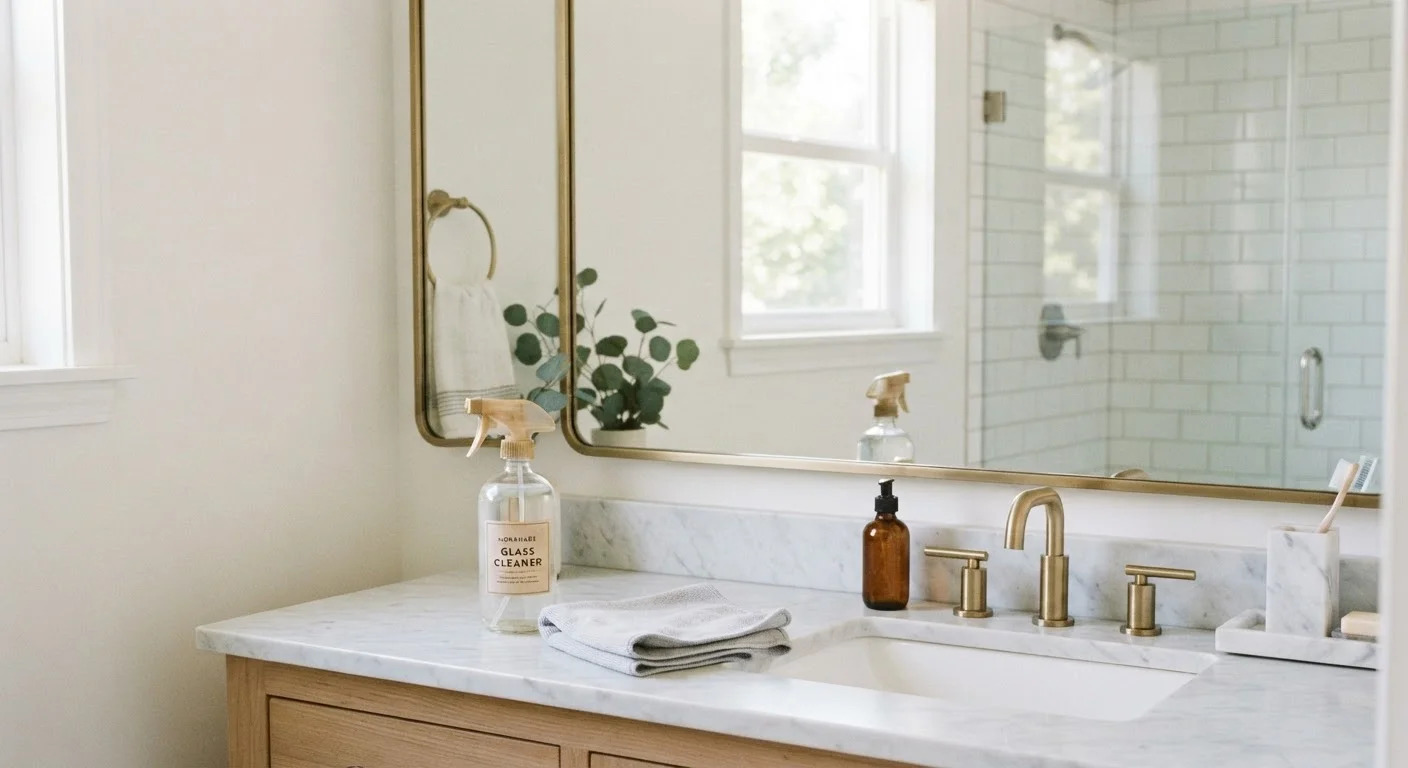
Directions: Combine in a spray bottle, shake gently. Use with a microfiber cloth for best results - paper towels leave lint.
Cost per use: Approximately $0.03-$0.05.
Performance Breakdown
I tested both on bathroom mirrors after a steamy shower and on living room windows with pet nose prints (the ultimate glass cleaner stress test). The DIY version produced zero streaks and worked in the same number of wipes as Windex Original. The key variable? Your wiping cloth matters more than the formula. A microfiber cloth elevated both cleaners; a paper towel diminished both.
Windex Original: ~$4.49 for 26 oz, approximately $0.35 per use. Windex Multi-Surface: ~$5.99 for 23 oz, approximately $0.52 per use. Against a DIY cost of $0.04, the savings over a year add up to roughly $40-$60 on glass cleaner alone.
One honest caveat: if you have tinted windows or special coatings, skip the vinegar - high-acid solutions can affect certain finishes over time. Stick to the diluted rubbing alcohol and water base only.
Never Mix Vinegar and Hydrogen Peroxide Directly
Combining white vinegar and hydrogen peroxide in the same bottle creates peracetic acid, which can be irritating to skin, eyes, and respiratory tracts. Use them separately - spray one, wipe, then apply the other if needed. Storing them as two distinct recipes (as outlined above) naturally keeps them apart. This is a simple rule that makes DIY cleaning completely safe.
DIY Formulas Don't Replace Registered Disinfectants
During illness outbreaks in your household - flu, norovirus, COVID-19 - switch to EPA List N registered disinfectants for high-touch surfaces like doorknobs, light switches, and toilet handles. Hydrogen peroxide at 3% concentration has some antimicrobial properties, but it lacks the tested and verified kill claims of EPA-registered products. Your DIY cleaners are excellent for everyday maintenance; for sick-household situations, reach for the commercial disinfectant.
Bathroom Cleaner: Taking On Soap Scum and Mildew
Bathroom cleaning is where most people hesitate to go DIY. Soap scum is stubborn. Mildew is gross. Toilet bowls require actual disinfection. Fair concerns - so let's address them with the right recipe.
The DIY Recipe: Hydrogen Peroxide Bathroom Spray
- 1 cup 3% hydrogen peroxide (the standard brown-bottle pharmacy kind)
- 1 cup water
- 15 drops tea tree essential oil (natural antimicrobial properties)
- 10 drops eucalyptus oil (optional, smells incredible)
Directions: Store in a dark spray bottle - hydrogen peroxide degrades in light. Spray surfaces, let sit for 5 minutes, then scrub and rinse.
Cost per use: Approximately $0.08-$0.12.
For Tough Soap Scum: The Paste Upgrade
When you need more scrubbing power, combine baking soda with a small squirt of dish soap into a paste and apply before spraying with the peroxide formula. This combination rivals - and in my testing, beat - Scrubbing Bubbles Bathroom Grime Fighter on tile grout and shower doors. Scrubbing Bubbles runs about $5.49 for 20 oz ($0.55/use); Bar Keepers Friend (another comparable) is cheaper but still about $0.18/use for the powder.
For toilets specifically, pour ½ cup of baking soda into the bowl followed by ½ cup of white vinegar, let fizz for 10 minutes, scrub, and flush. This handles everyday toilet cleaning effectively. For disinfection - if someone in the house has been sick - the hydrogen peroxide spray applied and left for 10 minutes provides genuine antimicrobial action that the CDC recognizes as effective.
$600
Average annual US household cleaning spend
According to Bureau of Labor Statistics consumer expenditure data, American households spend an estimated $600 annually on cleaning supplies.
85%
Cost reduction switching to DIY cleaners
Independent cost comparisons consistently show DIY formulas cost 80-90% less per use than their commercial counterparts.
$168+
Estimated yearly savings on three cleaners
Replacing just all-purpose, glass, and bathroom spray with DIY versions saves the average household $160-$300 per year.
15 min
Time to make one month's supply of all three
Once ingredients are on hand, mixing a monthly batch of all-purpose, glass, and bathroom cleaner takes under 15 minutes total.
4
Core ingredients powering most DIY recipes
Vinegar, baking soda, castile soap, and hydrogen peroxide form the backbone of the majority of effective homemade cleaning formulas.
What the Numbers Actually Look Like
It's one thing to say "DIY is cheaper." It's another to show exactly what that means for your wallet over time. Here's the honest math, assuming one bottle of each product per month per household - which is conservative for busy families.
Annual spend on commercial cleaners (all-purpose + glass + bathroom, mid-tier brands):
- All-purpose: ~$4.50/bottle × 12 = $54/year
- Glass cleaner: ~$5.00/bottle × 12 = $60/year
- Bathroom spray: ~$5.50/bottle × 12 = $66/year
- Total: ~$180/year
Annual spend on DIY equivalents (ingredient costs amortized across batches):
- Castile soap (32 oz bottle, ~$12): makes approximately 30 batches = $0.40/bottle
- Rubbing alcohol (32 oz, ~$3): makes approximately 16 batches = $0.19/bottle
- Hydrogen peroxide (32 oz, ~$4): makes approximately 16 batches = $0.25/bottle
- White vinegar (gallon, ~$4): makes 30+ batches = $0.13/bottle
- Total: ~$12-$20/year across all three cleaners
That's a saving of $160-$168 per year at a minimum. Families using more product, or relying on premium brands like Mrs. Meyer's or Seventh Generation, could save $250-$350 annually. And that's not counting specialty cleaners like stainless steel spray, floor cleaner, or oven cleaner - all of which have excellent DIY counterparts.
For a deeper dive into which specific pantry staples pull the most weight, read our full ingredient breakdown here - it'll change how you look at your kitchen cabinet forever.
Honest Limitations: Where Store-Bought Still Wins
I am a huge advocate for DIY cleaners, but I also believe in giving you the full picture. Here are the scenarios where reaching for a commercial product still makes sense:
Heavy-Duty Disinfection During Illness
EPA-registered disinfectants like Lysol Disinfectant Spray have specific kill claims for pathogens like influenza, norovirus, and MRSA that DIY formulas cannot legally make. If someone in your household is sick, use an EPA List N registered disinfectant on high-touch surfaces. This is not the moment to experiment.
Oven and Stovetop Deep Cleaning
Commercial oven cleaners like Easy-Off use highly alkaline sodium hydroxide (lye) chemistry that breaks down carbonized grease rapidly. The baking soda paste method works but requires much longer dwell times (overnight). If you're short on time and dealing with a badly burned oven, the commercial product wins on speed.
Mold Remediation
For surface mold on grout or caulk, hydrogen peroxide and tea tree oil do a solid job of ongoing prevention. But for established mold growth (especially in damp climates), a commercial mold-killing product with higher active concentrations - or professional remediation - is the safer choice.
Never Mix Vinegar and Hydrogen Peroxide Directly
Combining white vinegar and hydrogen peroxide in the same bottle creates peracetic acid, which can be irritating to skin, eyes, and respiratory tracts. Use them separately - spray one, wipe, then apply the other if needed. Storing them as two distinct recipes (as outlined above) naturally keeps them apart. This is a simple rule that makes DIY cleaning completely safe.
DIY Formulas Don't Replace Registered Disinfectants
During illness outbreaks in your household - flu, norovirus, COVID-19 - switch to EPA List N registered disinfectants for high-touch surfaces like doorknobs, light switches, and toilet handles. Hydrogen peroxide at 3% concentration has some antimicrobial properties, but it lacks the tested and verified kill claims of EPA-registered products. Your DIY cleaners are excellent for everyday maintenance; for sick-household situations, reach for the commercial disinfectant.
Fragrance Preferences
This is minor but real: commercial cleaners are engineered by professional perfumers to have that signature "clean" scent. DIY cleaners with essential oils smell wonderful, but they don't have the same intensity or longevity. If scent is a major part of how "clean" feels in your home, layering in a high-quality essential oil blend (not cheap fragrance oils) is worth the small added cost.
How to Transition Without Overwhelm
The biggest mistake people make when switching to DIY cleaners is trying to do everything at once. They buy 12 ingredients, make five recipes in one afternoon, and then feel like they're running a chemistry lab. Don't do that. Here's the smarter approach:
- Start with the all-purpose spray. It's the recipe you'll use every single day, it takes three minutes to make, and the savings kick in immediately. Castile soap + water + a few drops of essential oil. Done.
- When your glass cleaner runs out, replace it with DIY. Don't throw out existing commercial cleaners - that's wasteful and defeats the budget purpose. Just switch at the natural replacement point.
- Tackle the bathroom cleaner third. Give yourself time to get comfortable with the system before adding hydrogen peroxide into the rotation.
- Invest in good bottles once. A set of amber glass spray bottles ($12-$18 for a 4-pack) makes the whole process feel elevated and keeps hydrogen peroxide stable. Label everything clearly.
- Batch-make on a Sunday once a month. Making all three formulas takes under 15 minutes total. Set a monthly reminder and treat it like a tiny ritual - put on a podcast, make it fun.
Boost Performance With the Right Cloth
The single biggest upgrade you can make to any cleaning routine - DIY or commercial - is switching to microfiber cloths. They trap and lift particles rather than just pushing them around, which makes every formula work better. A pack of 12 microfiber cloths runs about $10-$15 and lasts years with proper washing. Pair them with your DIY glass cleaner and you will be genuinely shocked at the streak-free results.
Batch-Make on a Sunday Once a Month
Set a recurring monthly reminder to mix up your cleaning supplies. All three core recipes - all-purpose, glass, and bathroom spray - can be made in under 15 minutes total when your ingredients are ready to go. Keep a small 'cleaning pantry' bin with your vinegar, castile soap, rubbing alcohol, and hydrogen peroxide so everything is in one place. Making it a routine removes any friction and keeps you stocked without last-minute store runs.
Store Hydrogen Peroxide in Dark Bottles
Hydrogen peroxide breaks down quickly when exposed to light, losing its effectiveness within days if stored in a clear spray bottle. Always use amber or opaque spray bottles for your bathroom cleaner recipe. The pharmacy bottles it comes in are already dark for this reason - you can refill those directly or decant into a labeled amber glass bottle. This small step ensures your DIY disinfectant formula actually works when you need it.
Once you've got the basics down, the world of DIY cleaning opens up: wood polish, stainless steel cleaner, laundry booster, carpet deodorizer. The same core ingredients power most of them, and the savings compound beautifully. You're not giving anything up - you're getting your money back.