

Key Takeaways
Certified Refurbished
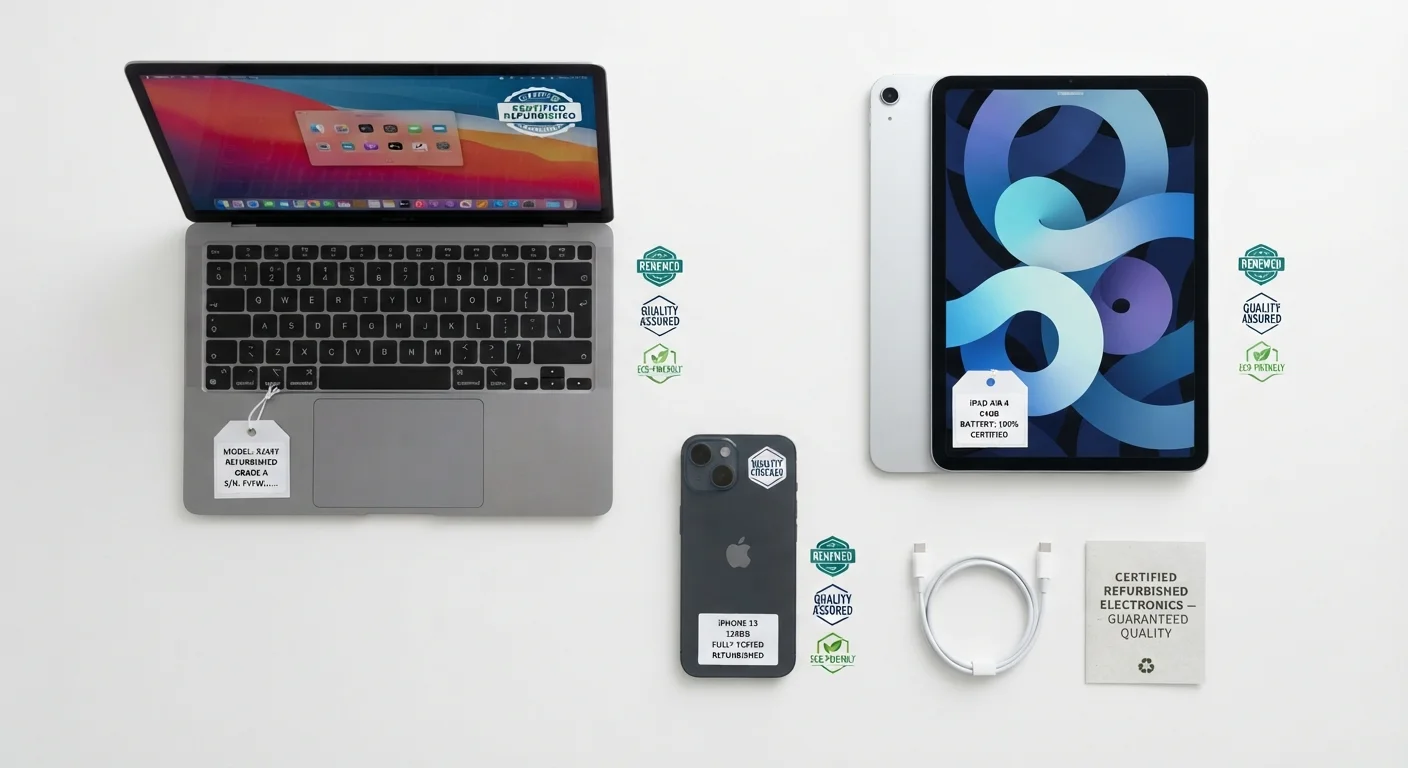
Certified refurbished means a used or returned product has been inspected, repaired if necessary, and tested against a defined quality standard - then backed by a formal warranty. The certification can come from the original manufacturer or from a third-party certifier with documented grading criteria. The key word is accountability: there's a named entity standing behind the product's condition.
Certification programs vary widely in rigor. Apple Certified Refurbished, for example, replaces batteries and outer casings and restores factory software - a higher bar than most retailer-branded programs.
Why the Label Matters More Than the Price
Refurbished tech is one of the most reliable ways to save money on electronics - but only if you understand what you're actually buying. The refurbished market has a labeling problem: the same word can mean completely different things depending on who's using it. A $400 laptop listed as 'refurbished' on a manufacturer's website and a $400 laptop listed as 'refurbished' by a random eBay seller are not equivalent products, even if the photos look identical.
The label tells you who inspected the device, what standards they used, and whether any third party verified their claims. Get that context right and you can shop refurbished with genuine confidence. Miss it and you're essentially buying used goods with extra marketing language.
This guide breaks down every major refurbishment label in plain terms, ranks them by reliability, and tells you exactly what to look for before you hand over your money.
The Four Refurbishment Labels You'll Actually Encounter
Most of the confusion in the refurbished market comes from treating these four categories as interchangeable. They're not.
1. Manufacturer Refurbished
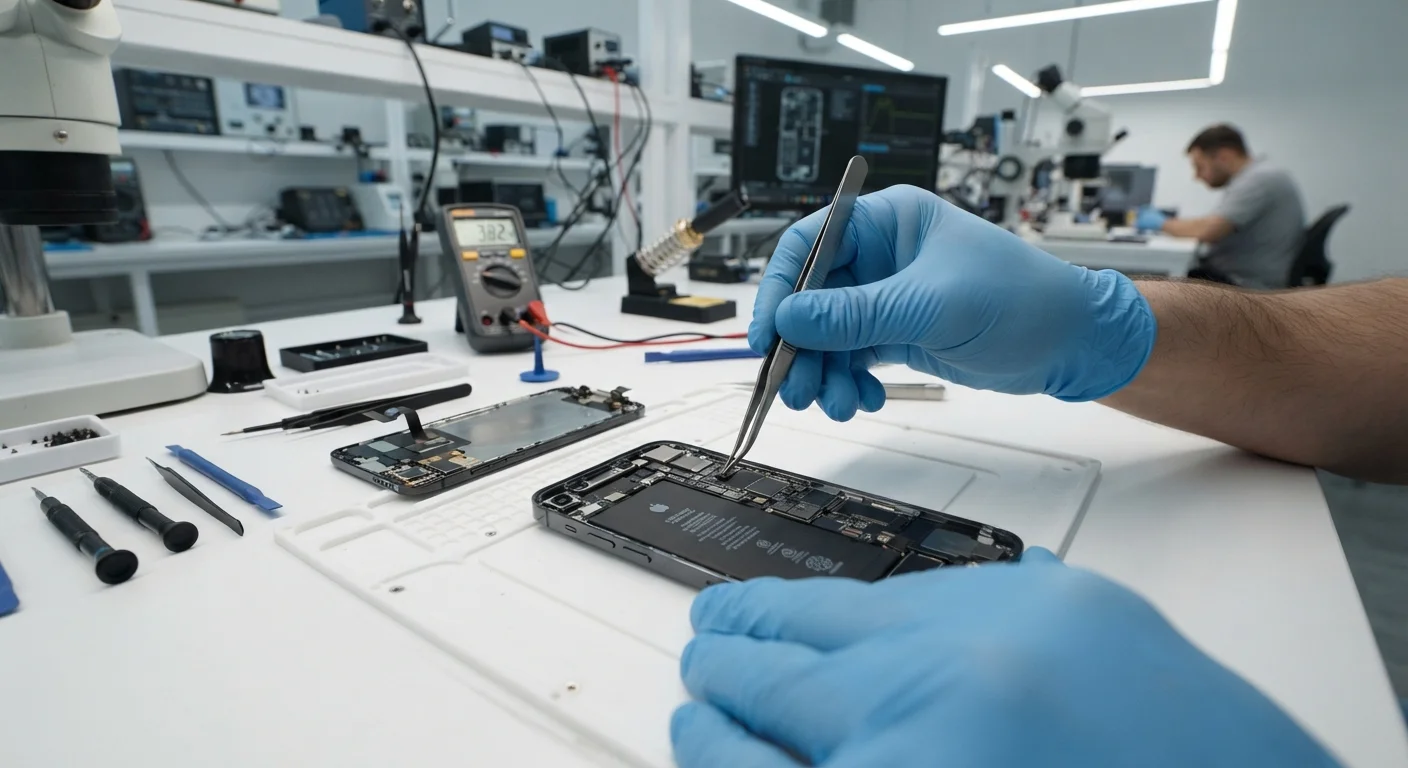
This is the gold standard. The original manufacturer - Apple, Samsung, Dell, Lenovo, Sony - received the device back (usually a customer return or minor production defect), inspected it against their own factory specifications, replaced any failing parts with genuine components, and restored the software to a clean factory state. The device is then repackaged and sold with an official warranty, often identical or close to what you'd get with a new unit.
Key advantages: genuine OEM parts, factory-level testing, official warranty coverage, and software that's been fully wiped and restored. The cosmetic condition may show minor marks, but the internal hardware is held to new-device standards.
2. Certified Refurbished (Retailer Programs)
Programs like Amazon Renewed, Best Buy Geek Squad Certified, and Walmart Restored fall into this tier. The retailer sets their own standards - typically a checklist of functional tests - and backs the product with their own warranty (Amazon Renewed guarantees at least 90 days; Geek Squad Certified offers 1 year).
These programs are meaningfully more reliable than seller refurbished because a known, accountable company is verifying the work. However, they don't always use OEM replacement parts, and their inspection depth varies by retailer. Read the specific program terms before buying.
15-30%
Typical savings vs. new for manufacturer refurbished
Manufacturer refurbished programs from Apple, Dell, and Lenovo consistently price 15-30% below equivalent new retail pricing.
80%
Minimum battery health in Amazon Renewed
Amazon Renewed's standard tier requires battery health at or above 80% capacity - meaning devices may show noticeably shorter runtimes than new.
90 days
Minimum warranty, Amazon Renewed
Amazon's Renewed program guarantees at least a 90-day warranty; Renewed Premium listings must include a 1-year warranty.
$52.7B
Global refurbished electronics market size (2023)
According to Statista, the global refurbished and used electronics market reached approximately $52.7 billion in 2023 and is growing annually.
~1 in 5
U.S. consumers who bought refurbished electronics in 2023
Consumer Technology Association data suggests roughly 20% of U.S. adults purchased at least one refurbished electronic device in 2023.
3. Third-Party Certified (Platforms Like Back Market)
Platforms such as Back Market, Decluttr, and Swappa occupy a middle tier. They don't do the refurbishing themselves - they curate and vet sellers who do. Back Market, the most rigorous of these, requires sellers to pass quality audits and grades every device on a published cosmetic scale (Good, Very Good, Excellent). Back Market adds its own warranty and return window on top of the seller's.
The grading system is transparent and independently enforced, which makes this tier trustworthy - but the actual refurbishment quality depends on which seller fulfilled your order.
4. Seller Refurbished
This is the wild west. Any individual seller or small shop on eBay, Amazon Marketplace, or similar platforms can apply the 'seller refurbished' label. There are no external standards, no independent verification, and no mandatory warranty. Some seller refurbished listings come from skilled repair shops doing excellent work; others are lightly cleaned devices with original problems left unaddressed.
Without a verifiable track record, seller refurbished is best treated as 'used with unknown history' rather than a meaningful quality tier.
The 'Open Box' Label Is Different
Open box products are not the same as refurbished. Open box typically means the item was returned unused or used only briefly, and has been resealed - it may not have been inspected or repaired at all. Some retailers apply a light inspection before listing open box items, but there's no standardized process. Treat open box as a better-documented used item, not a refurbished one.
Platform Policies Change - Verify Current Terms
Retailer and platform refurbished programs update their warranty and grading terms periodically. The warranty lengths and battery health thresholds cited in this article reflect publicly available program terms at time of writing. Always read the current program page before purchasing, especially for Amazon Renewed, where seller-level terms can vary within the program.
What 'Certified' Actually Certifies
The word 'certified' is doing a lot of heavy lifting in refurbished marketing, and it's worth unpacking what it actually guarantees - and what it doesn't.
A meaningful certification program has three components:
- Published standards: The certifier specifies exactly what was tested, what pass/fail criteria were used, and what was replaced. Apple publishes these details. Amazon Renewed publishes a general checklist. A seller calling their own product 'certified' with no documentation is certifying nothing.
- Accountability: A named entity - manufacturer, retailer, or platform - is standing behind the product. If something goes wrong, there's someone with a real return process and legal obligation to make it right.
- Warranty coverage: Certifications without warranties are marketing, not quality assurance. The warranty is the certifier putting money on the line, which is what makes it meaningful.
“The refurbished market rewards informed buyers disproportionately. The information asymmetry between a knowledgeable shopper and an uninformed one can easily be worth $200 on a single laptop purchase.”
— Sara Beykpour, Consumer electronics researcher and tech market analyst
The practical implication: always ask 'who certified this, and what did they actually certify?' If the answer is 'the seller certified their own product with no published criteria,' you're looking at tier-four quality with tier-two pricing.
Cross-Check the Certification Claim
Before buying anything labeled 'certified refurbished,' search the manufacturer's or certifier's website directly for their program details. Legitimate programs have published grading criteria, warranty terms, and a dedicated storefront. If you can't find the program documented anywhere beyond the seller's listing, the certification claim is likely self-reported.
Use Credit Card Purchase Protection as a Backstop
Many credit cards offer extended warranty protection and purchase dispute coverage that can supplement a short refurbished warranty. If you're buying from a less-established source, paying with a card that includes these benefits adds a meaningful safety net. Check your card's benefits guide before assuming coverage applies.
Grading Scales: Cosmetic Condition vs. Functional Quality
Most refurbishment programs separate cosmetic grading (how it looks) from functional testing (how it works). Understanding this distinction prevents the most common buyer disappointment.
Cosmetic Grades
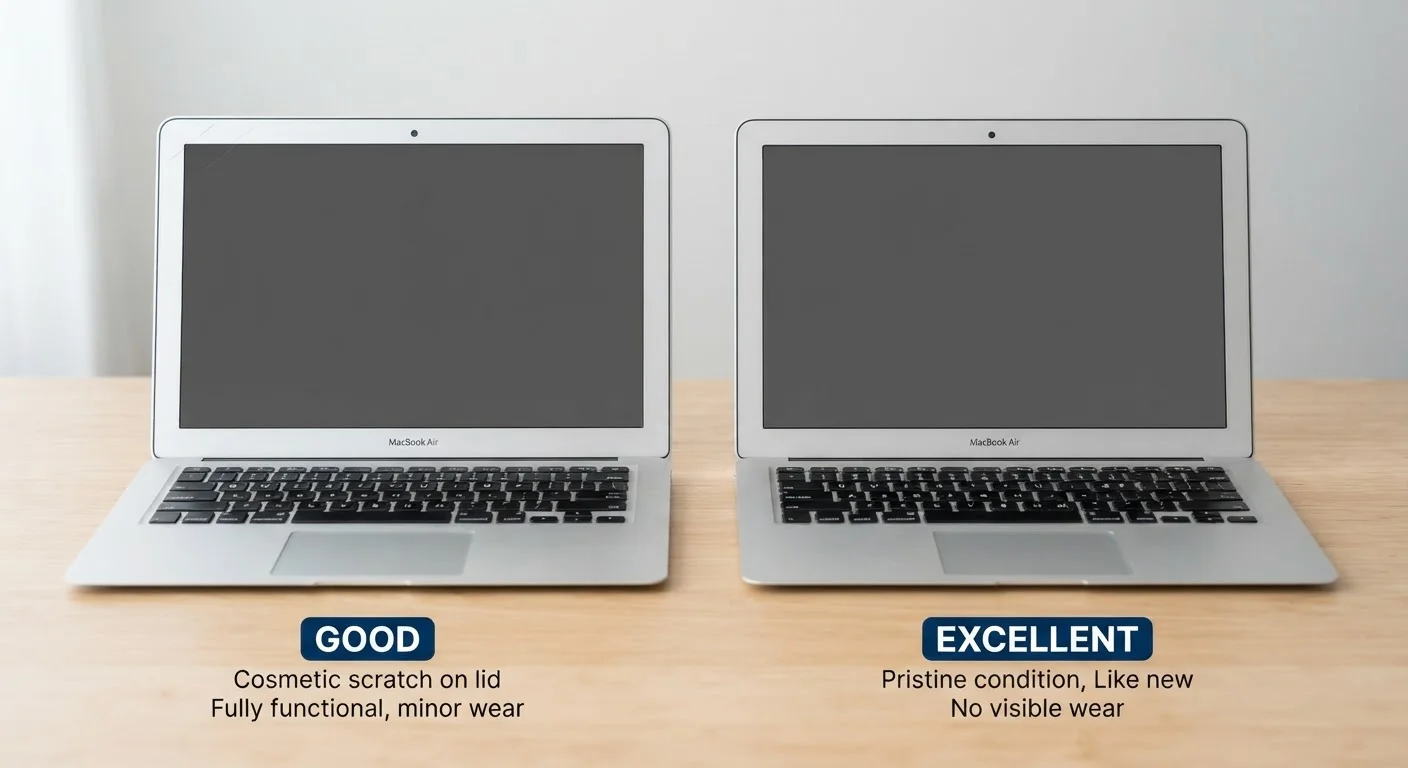
Terms like 'Excellent,' 'Very Good,' 'Good,' and 'Fair' typically refer only to the device's exterior appearance - scratches, scuffs, screen marks. A device graded 'Good' might have visible scratches on the back panel but pass every functional test with flying colors. Expect cosmetic grades to be conservative: a 'Very Good' rated device should have only minor, hard-to-notice marks.
Functional Testing
This is where the real quality difference lives. Functional testing covers battery health, all ports and buttons, display quality, camera performance, speakers, microphones, wireless radios, and software integrity. Manufacturer refurbished programs typically restore battery health to near-new levels (Apple replaces the battery outright). Retailer programs usually test battery health but may only guarantee it meets a minimum threshold - often 80% capacity.
Seller refurbished listings may mention functional testing, but without independent verification there's no way to confirm it happened or what standard was used.
What to Prioritize
For day-to-day use, functional quality matters far more than cosmetic condition. A device with minor scratches that runs perfectly for three years beats a pristine-looking device with a degraded battery you're replacing in six months. Focus your evaluation on battery health guarantees, warranty length, and what functional tests were documented - not on whether the device looks flawless.
Real-World Examples: Same Label, Different Reality
To make this concrete, here's how the same product category plays out across different refurbishment tiers.
The pattern across categories is consistent: the accountability chain - who tested it, what they tested for, and what warranty they're offering - determines the actual value of the label. Price alone won't tell you which tier you're in.
Before buying any refurbished device, run through the checklist in our guide on what to verify before buying a refurbished device - it covers battery health checks, warranty term evaluation, and the return window questions that separate a smart purchase from an expensive mistake.
The 'Open Box' Label Is Different
Open box products are not the same as refurbished. Open box typically means the item was returned unused or used only briefly, and has been resealed - it may not have been inspected or repaired at all. Some retailers apply a light inspection before listing open box items, but there's no standardized process. Treat open box as a better-documented used item, not a refurbished one.
Platform Policies Change - Verify Current Terms
Retailer and platform refurbished programs update their warranty and grading terms periodically. The warranty lengths and battery health thresholds cited in this article reflect publicly available program terms at time of writing. Always read the current program page before purchasing, especially for Amazon Renewed, where seller-level terms can vary within the program.
How to Shop Refurbished Without Getting Burned
With the label framework clear, here's a practical decision sequence for any refurbished purchase:
- Start with manufacturer-certified if available. For Apple, Dell, Lenovo, and most major brands, the manufacturer runs their own refurbished storefront. This is your lowest-risk option and often carries the same warranty as new.
- Check retailer programs next. Amazon Renewed, Best Buy Geek Squad Certified, and similar programs add meaningful accountability. Confirm the specific warranty length and whether it covers functional defects or just DOA units.
- Use curated platforms for mid-tier savings. Back Market and similar platforms offer better prices than retailer programs with documented grading standards. Read the specific grade description for your listing, not just the platform's general policy.
- Treat seller refurbished as high-risk. If you do buy from a private seller or unverified shop, insist on a detailed condition report, a minimum 30-day return window, and a seller with hundreds of verified reviews in electronics specifically.
- Always verify the warranty in writing before purchase. 'Comes with warranty' in a listing description is not enough. Confirm the duration, what it covers, and the claims process.
Cross-Check the Certification Claim
Before buying anything labeled 'certified refurbished,' search the manufacturer's or certifier's website directly for their program details. Legitimate programs have published grading criteria, warranty terms, and a dedicated storefront. If you can't find the program documented anywhere beyond the seller's listing, the certification claim is likely self-reported.
Use Credit Card Purchase Protection as a Backstop
Many credit cards offer extended warranty protection and purchase dispute coverage that can supplement a short refurbished warranty. If you're buying from a less-established source, paying with a card that includes these benefits adds a meaningful safety net. Check your card's benefits guide before assuming coverage applies.
One final thing worth tracking: refurbished pricing cycles. Manufacturer refurbished stock gets replenished when new product generations launch - the best time to buy a refurbished iPhone is typically 4-6 weeks after Apple releases the next model. The same pattern holds for laptops and tablets. Patience plus label knowledge is a powerful combination.