
Pet Insurance vs. a Dedicated Savings Fund: Which Covers You Better?
Weighing pet insurance against self-funding vet costs? Explore how each approach works, what they cover, and which suits different financial situations.
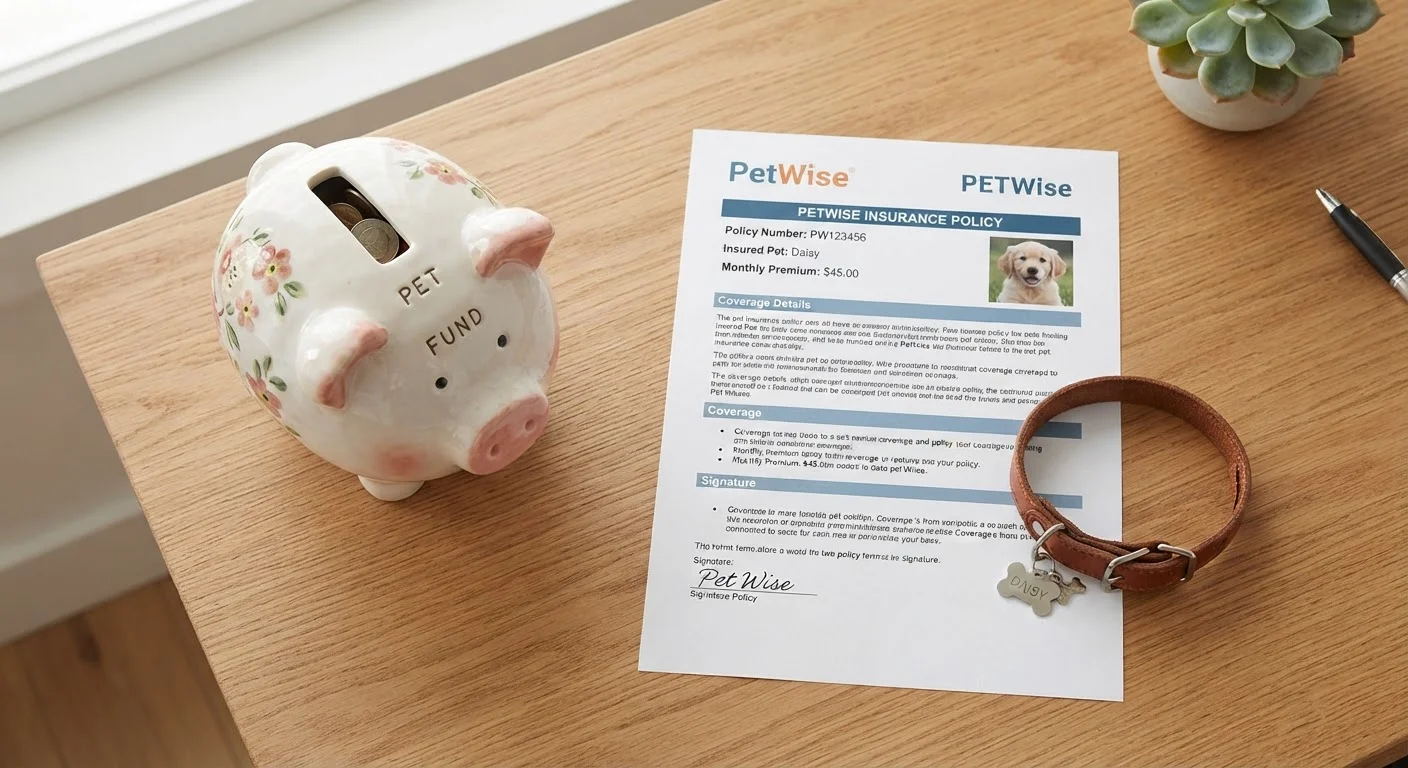
Photo: SaverSteals.com | Explore More. Shop Smarter. editorial
—— In This Article
Key Takeaways
- Pet insurance transfers financial risk but requires ongoing premiums and may include exclusions that limit payouts.
- A dedicated savings fund gives you full control but may be insufficient if a large expense hits early.
- Neither approach is universally superior — the right choice depends on your pet's health profile and your cash flow.
- Combining both strategies is a legitimate middle-ground for many households.
- Understanding what each method actually covers helps avoid unpleasant surprises at the vet.
How Each Approach Works
Pet insurance operates like most health insurance products: you pay a monthly or annual premium, and in exchange the insurer reimburses a percentage of eligible vet costs — typically after you meet a deductible. Policies vary widely in what they cover. Accident-only plans are narrower and cheaper; comprehensive accident-and-illness plans cost more but extend to diagnostics, surgery, and chronic disease management. Wellness add-ons can fold in routine care, though they raise the premium accordingly.
A dedicated savings fund is exactly what it sounds like: a separate account — ideally a high-yield savings account — where you deposit a fixed amount each month to cover future vet costs. You set the contribution rate, you decide when and how to spend it, and nothing is excluded. The trade-off is that the fund may be thin in the early months or years before meaningful capital accumulates.
For a fuller picture of what pet ownership costs across all categories — not just healthcare — see our category-by-category cost breakdown.
| Criterion | Pet Insurance | Dedicated Savings Fund |
|---|---|---|
| Monthly cost | Fixed premium (variable by plan) | You set the contribution |
| Coverage scope | Defined by policy terms | Any vet expense, no exclusions |
| Pre-existing conditions | Typically excluded | Fully covered |
| Reimbursement process | Claim submission required | Pay directly, no process |
| Early-year protection | Strong (after waiting period) | Weak until fund matures |
| Long-term cost if pet stays healthy | Premiums paid with limited claims | Savings retained and grow |
| Flexibility | Limited by policy structure | Complete |
The Critical Variables That Tip the Balance
Three factors most strongly determine which approach makes financial sense for a given household.
Your pet's risk profile
Breed, age, and species matter enormously. Purebred dogs, for example, are statistically more likely to develop hereditary orthopedic or cardiac conditions than mixed-breed animals. An older pet is both more expensive to insure and more likely to use coverage. A young, mixed-breed cat in good health has a lower actuarial risk — meaning insurance premiums may exceed what you'd realistically claim over several years.
Your financial cushion
If absorbing a $4,000–$6,000 emergency would require taking on high-interest debt, insurance makes practical sense even if the math doesn't always favor it. The value of insurance isn't purely financial — it also eliminates the agonizing decision of choosing care based on what you can afford at that moment.
Policy fine print
Pre-existing condition exclusions are the most consequential limitation of pet insurance. Conditions documented before the policy start date are generally not covered, ever. Annual payout caps, per-incident limits, and specific breed exclusions can also erode the real-world value of a policy significantly. Always read the exclusions section before committing. For strategies to keep routine vet costs manageable regardless of which approach you choose, see how to keep vet bills manageable.
$1,500–$5,000+
Typical cost range for common pet surgeries
ASPCA estimates suggest emergency procedures such as foreign body removal or orthopedic repair frequently fall in this range for dogs and cats.
~$50–$100/mo
Average monthly premium for dog insurance
The North American Pet Health Insurance Association (NAPHIA) has reported median monthly premiums in this range for accident-and-illness dog policies, though costs vary significantly by breed, age, and location.
Over 4 million
Pets insured in North America
NAPHIA's industry data indicates the number of insured pets in the US and Canada has grown substantially over the past decade, reflecting rising awareness of veterinary costs.
Building a Savings Fund That Actually Works
A pet savings fund only provides a meaningful backstop if it's structured intentionally. Financial planners generally suggest keeping three to six months of anticipated pet care costs as a baseline. For a dog with moderate health needs, that often means somewhere in the $1,500–$3,000 range, though higher for larger breeds or known health risks.
Automating contributions removes the temptation to skip months. Even $40–$60 per month accumulates into a useful buffer over one to two years. Keeping the fund in a dedicated, labeled account — separate from your general emergency fund — makes it easier to resist dipping into it for non-pet expenses.
The weakness of this approach is the timing problem: if a large expense hits in month three of building the fund, the gap is real. This is the scenario where insurance provides the clearest advantage. Preventive care compounds this logic — routine investments in vaccinations, dental cleanings, and parasite control reduce the probability of the expensive emergencies the fund is meant to cover. Our article on why preventive care costs less than emergency treatment walks through the numbers in detail.
If you're new to pet ownership and working out your financial priorities, this starter framework for budget pet care can help you sequence spending sensibly.

Pets Editorial Team
Pets Editorial Team is the collective byline for our editorial team and contributor network. Articles published under this byline or an editorial pen name are researched, written, and reviewed according to our editorial standards for clarity, consistency, and independence before publication.
View author profile