
Dental Care for Pets: The Expense People Ignore Until It's Urgent
Dental disease is one of the most common and costly pet health issues. Understand what causes it, what treatment involves, and how early care reduces the bill.
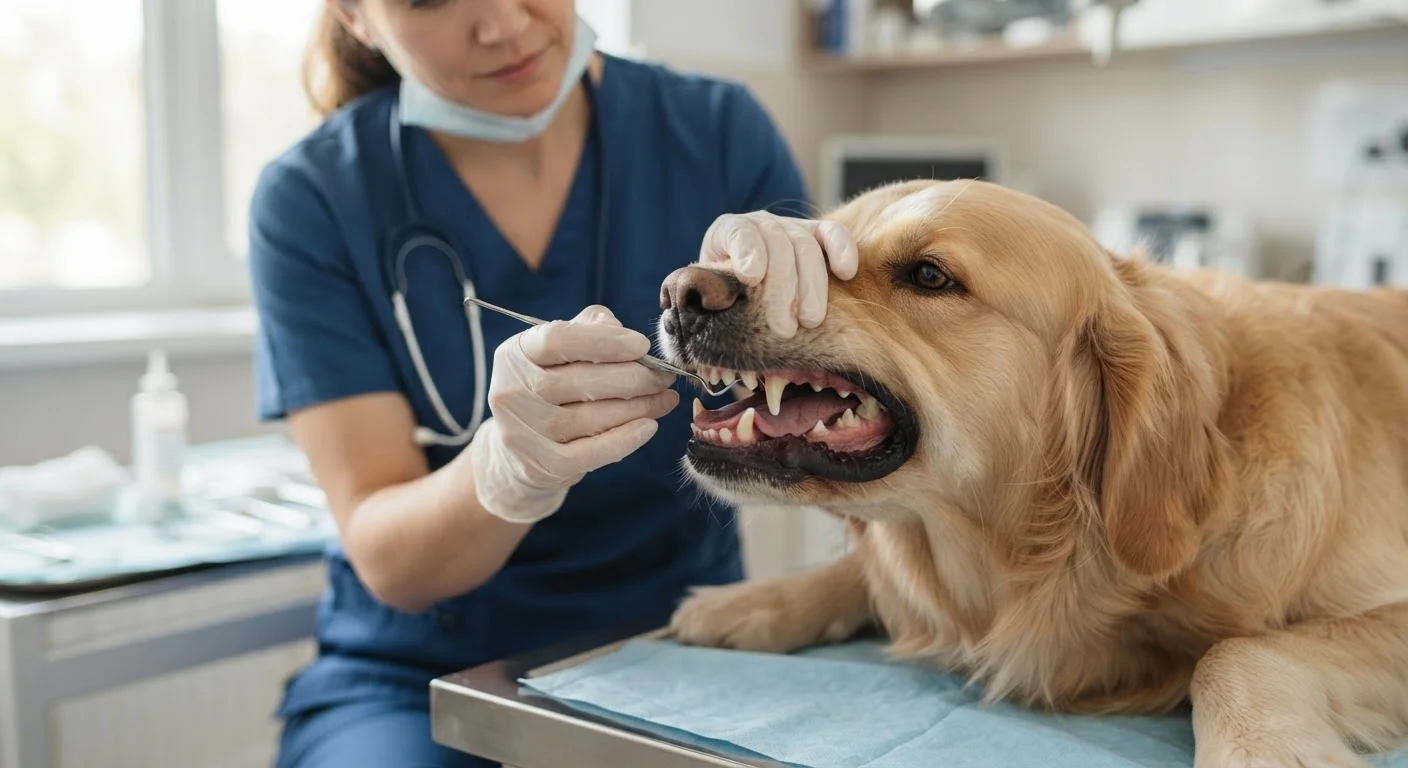
Photo: SaverSteals.com | Explore More. Shop Smarter. editorial
—— In This Article
Key Takeaways
- Dental disease affects an estimated 80% of dogs and 70% of cats by age three.
- Early-stage dental disease can be managed with routine cleanings; advanced cases require surgery that costs significantly more.
- Daily or frequent tooth brushing is the single most effective at-home prevention method.
- Professional cleanings require general anesthesia, which adds to the cost but is necessary for a safe, thorough procedure.
- Pet insurance or a dedicated savings fund can soften the financial impact of unexpected dental treatment.
- Some breeds are predisposed to dental problems, making early planning especially important.
Why Dental Health Gets Skipped — And Why That's Costly
Dental care is one of the most consistently underfunded areas of pet health. It's invisible until it isn't — and by the time a pet shows obvious discomfort, the disease is often well advanced. Studies from veterinary organizations estimate that periodontal disease affects roughly 80% of dogs and 70% of cats by age three, making it one of the most prevalent health conditions in companion animals.
The financial pattern is predictable: owners skip routine cleanings because they feel discretionary, then face a far larger bill when the vet discovers tooth root abscesses, bone loss, or the need for multiple extractions. A cleaning that might cost a few hundred dollars preventively can balloon into a procedure costing significantly more once surgical intervention is required. Understanding what you're actually paying for — and why — changes how you think about the timing.
Preventive care consistently comes out cheaper than emergency treatment, and dental care is one of the clearest illustrations of that principle.
~80%
Dogs affected by dental disease by age three
According to estimates cited by the American Veterinary Medical Association and veterinary dental specialists.
~70%
Cats affected by periodontal disease by age three
Cited across multiple veterinary dental health resources as a commonly referenced prevalence figure.
3–5x
Approximate cost multiplier when treatment is delayed
Veterinary dental professionals note that advanced cases requiring extractions and surgery cost substantially more than routine preventive cleanings.
What Dental Disease Actually Involves
Plaque — a film of bacteria — forms on teeth constantly. When not removed, it mineralizes into tartar (calculus), which adheres firmly to the tooth surface and can only be removed with professional tools. Tartar irritates the gumline, causing gingivitis: red, inflamed gums that bleed easily. At this stage, the process is reversible.
If tartar is allowed to progress below the gumline, it damages the periodontal ligament and erodes the bone that anchors teeth. This is periodontitis — and it's not reversible. Teeth may become loose, roots may abscess, and in severe cases the jawbone itself can fracture. Pets often continue eating through significant oral pain, which is why owners are frequently surprised by the severity found during routine exams.
Breed plays a role here too. Smaller dogs and brachycephalic breeds (those with flat faces, like Bulldogs and Persian cats) tend to have crowded or misaligned teeth that accelerate tartar buildup and periodontal damage.
What a Professional Cleaning Involves — and Why It Costs What It Does
A veterinary dental cleaning is not equivalent to a human dental hygiene visit. Because pets cannot cooperate with an open mouth and sensitive instruments, general anesthesia is required for a thorough and safe procedure. Pre-anesthetic bloodwork — often recommended, especially for older pets — is an additional line item that screens for underlying conditions that might affect anesthesia safety.
The procedure itself includes scaling above and below the gumline, polishing, probing each tooth for pocket depth, and typically full-mouth dental X-rays to assess roots and bone that are invisible to the naked eye. If extractions are needed, surgical fees apply per tooth. The total cost reflects equipment, trained staff, anesthesia monitoring, and the time required — not a markup on a simple task.
Ask for an Itemized Estimate Beforehand
Before any dental procedure, ask your veterinary clinic for a written estimate that breaks down anesthesia, monitoring, X-rays, scaling, and any potential extraction costs. This helps you understand the bill before it arrives and allows you to ask informed questions about what is essential versus optional. Many clinics will provide a low-to-high range since the full picture isn't known until the vet is able to examine under anesthesia.
For a broader view of what pet healthcare spending looks like across a year, the annual pet health checklist is a useful planning tool.
At-Home Prevention: What Actually Works
The most effective at-home intervention is regular tooth brushing. Daily brushing with a pet-appropriate toothpaste disrupts plaque before it mineralizes. Even three to four times per week provides meaningful benefit compared to no brushing at all. The key is consistency and starting the habit early — though many adult pets can be trained to tolerate it gradually.
Several adjuncts have supporting evidence from veterinary dental organizations: dental chews that carry the Veterinary Oral Health Council (VOHC) seal, dental diets formulated with a kibble texture that mechanically scrubs teeth, and water additives containing plaque-inhibiting compounds. These are supplements to brushing, not replacements. Products without the VOHC seal have not demonstrated clinical efficacy in controlled studies.
Owners working with a limited budget should prioritize brushing first — it costs almost nothing once you have a pet toothbrush and appropriate toothpaste — before investing in dental chews or specialty foods. See the starter framework for budget pet care for how to sequence these priorities when funds are tight.
Planning for the Cost Before It Becomes a Crisis
The most practical financial move is treating dental care as a line item in your annual pet budget, not a surprise expense. A routine cleaning every one to two years, adjusted for your pet's individual needs, is a predictable cost that can be saved toward in advance. Budgeting for pet ownership from the start means dental care doesn't have to compete with an emergency fund.
Pet insurance with a wellness rider may offset routine cleaning costs, but policies vary — read the exclusions carefully before assuming dental procedures are covered. Some veterinary practices offer in-house wellness plans that bundle an annual cleaning with other routine services at a fixed monthly rate, which can reduce the sting of a single large bill.
The bottom line: dental disease doesn't wait, and it doesn't get cheaper. An hour of prevention now — whether that's a vet visit or nightly brushing — is reliably less expensive than the treatment required once the disease has progressed.
This article is for informational purposes only and does not constitute veterinary advice. Consult a licensed veterinarian for guidance specific to your pet's health needs.
Frequently Asked Questions

Pets Editorial Team
Pets Editorial Team is the collective byline for our editorial team and contributor network. Articles published under this byline or an editorial pen name are researched, written, and reviewed according to our editorial standards for clarity, consistency, and independence before publication.
View author profile