
What to Actually Check Before You Hand Over Any Money for a Used Sofa
A practical pre-purchase checklist covering frame integrity, fabric condition, odour, and structural wear on secondhand sofas.
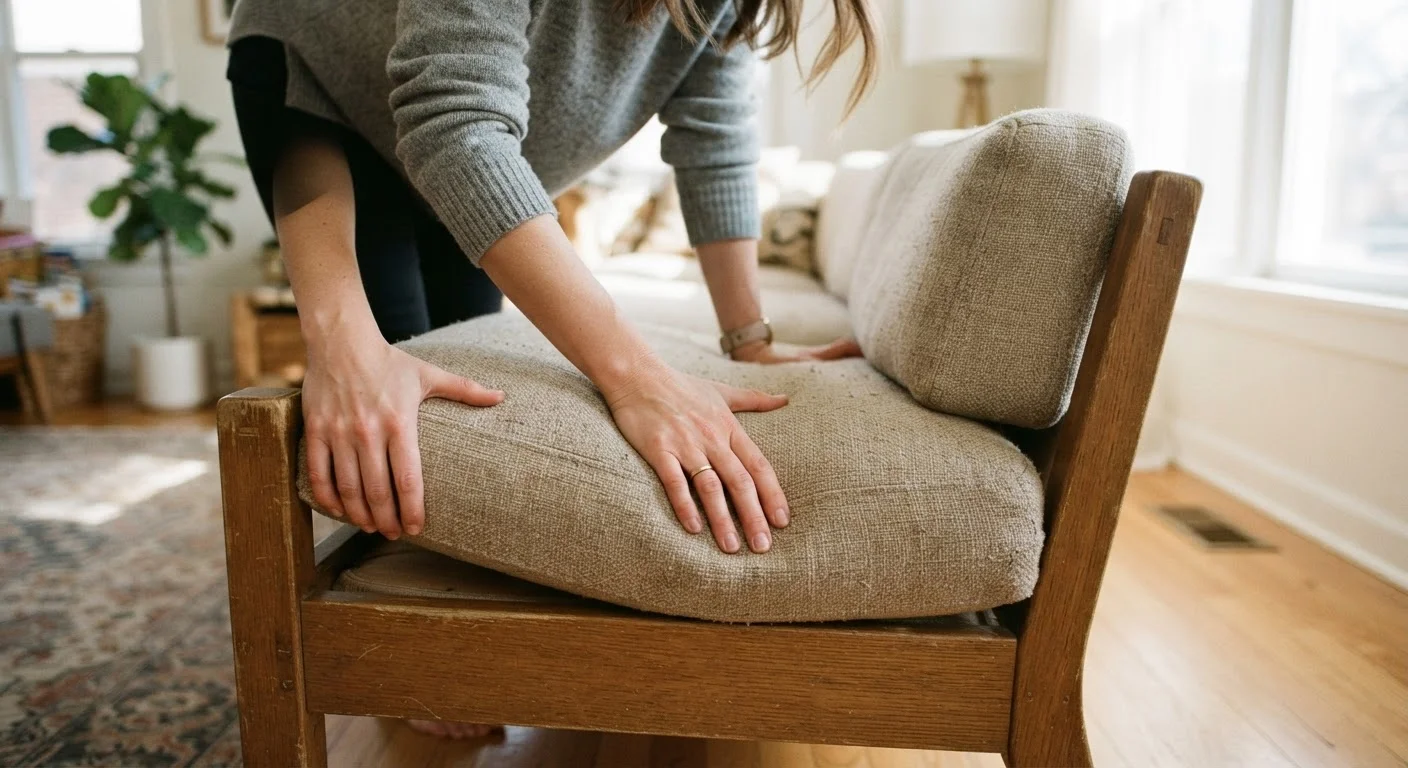
Photo: SaverSteals.com | Explore More. Shop Smarter. editorial
—— In This Article
Key Takeaways
- Frame integrity is the single most important factor — a broken frame cannot be cheaply repaired.
- Odour is often permanent; smell the sofa thoroughly before any other evaluation.
- Sagging cushions may indicate worn-out foam that costs more to replace than the sofa is worth.
- Check all legs, joints, and base supports with your body weight, not just your hands.
- Fabric damage like pet claw pulls or deep staining is rarely reversible on a budget.
Why a Structured Inspection Pays Off
Secondhand sofas are one of the higher-risk used furniture purchases you can make. Unlike a table or bookcase, a sofa absorbs years of body oils, pet dander, spills, and daily compression. Problems that are invisible in listing photos or easy to overlook during a quick glance can turn a seemingly low-cost find into an expensive disposal problem.
This checklist walks you through a methodical on-site inspection that takes 15 to 30 minutes and covers every failure point worth knowing about. Work through it in order — odour and pest checks come early because they're instant disqualifiers that save you from wasting time on everything else.
For a broader look at secondhand sourcing from start to finish, see our complete guide to buying used furniture. If you're evaluating a sofa you found in an online listing rather than in person, read our guide on protecting yourself from misrepresentation before you commit.
Bed Bugs Are a Deal-Breaker
A sofa with evidence of bed bugs should be declined without exception. Treatment is costly, disruptive, and not guaranteed. Even a single infested piece of furniture can spread an infestation throughout your home within weeks. If you spot any signs — dark specks along seams, shed casings, or live insects — walk away.
Smoke and Pet Urine Odours Don't Wash Out
Once smoke or urine penetrates the foam core, no amount of surface cleaning removes the odour permanently. Reupholstering is one option, but it typically costs more than buying a clean used sofa. If you detect these smells, factor professional remediation costs into your evaluation — or pass on the piece.
Tools You'll Need On-Site
You don't need specialized equipment — just a few items that make it easier to see what you're actually dealing with. A phone torch is non-negotiable in dim apartments or garages. Bring your space measurements written down so you're not guessing. If you're squeamish about handling unknown furniture, a pair of disposable gloves is worth the 10-cent investment.
Phone torch / flashlight
Illuminate dark seams, the underside, and fabric surface to spot stains, pests, and structural damage.
Tape measure
Verify sofa dimensions against your space measurements and confirm it will fit through doorways.
Disposable gloves
Protect your hands when inspecting underneath or handling a sofa of unknown cleanliness.
A friend or helper
Assist with safely tipping the sofa to inspect the frame base and test structural stability.
The Full Inspection Checklist
Run through these checks in sequence. The first two groups — odour and pests — are quick and, if failed, end the inspection immediately. Frame and cushion checks require more time but tell you the most about long-term usability.
Frame Damage Is Rarely Worth Repairing
A cracked or broken hardwood or engineered-wood frame is not a DIY fix that holds up under daily use. Professional furniture repair is available but often costs more than the sofa itself in the secondhand market. If the frame fails your inspection, treat it as a disqualifying defect — not a bargaining chip.
Before You Arrive
Odour Check
Frame and Structure
Cushions and Padding
Fabric and Surface Condition
Pest and Hygiene Check
For general pre-purchase habits that apply across all furniture categories, the pre-purchase checklist for furniture shoppers covers logistics like delivery, returns, and measuring that complement this inspection guide.

Furniture Editorial Team
Furniture Editorial Team is the collective byline for our editorial team and contributor network. Articles published under this byline or an editorial pen name are researched, written, and reviewed according to our editorial standards for clarity, consistency, and independence before publication.
View author profile