
Why Electronics Prices Change So Frequently
Retailers adjust electronics prices dozens of times a day. Here's the logic behind dynamic pricing and what it means for shoppers.
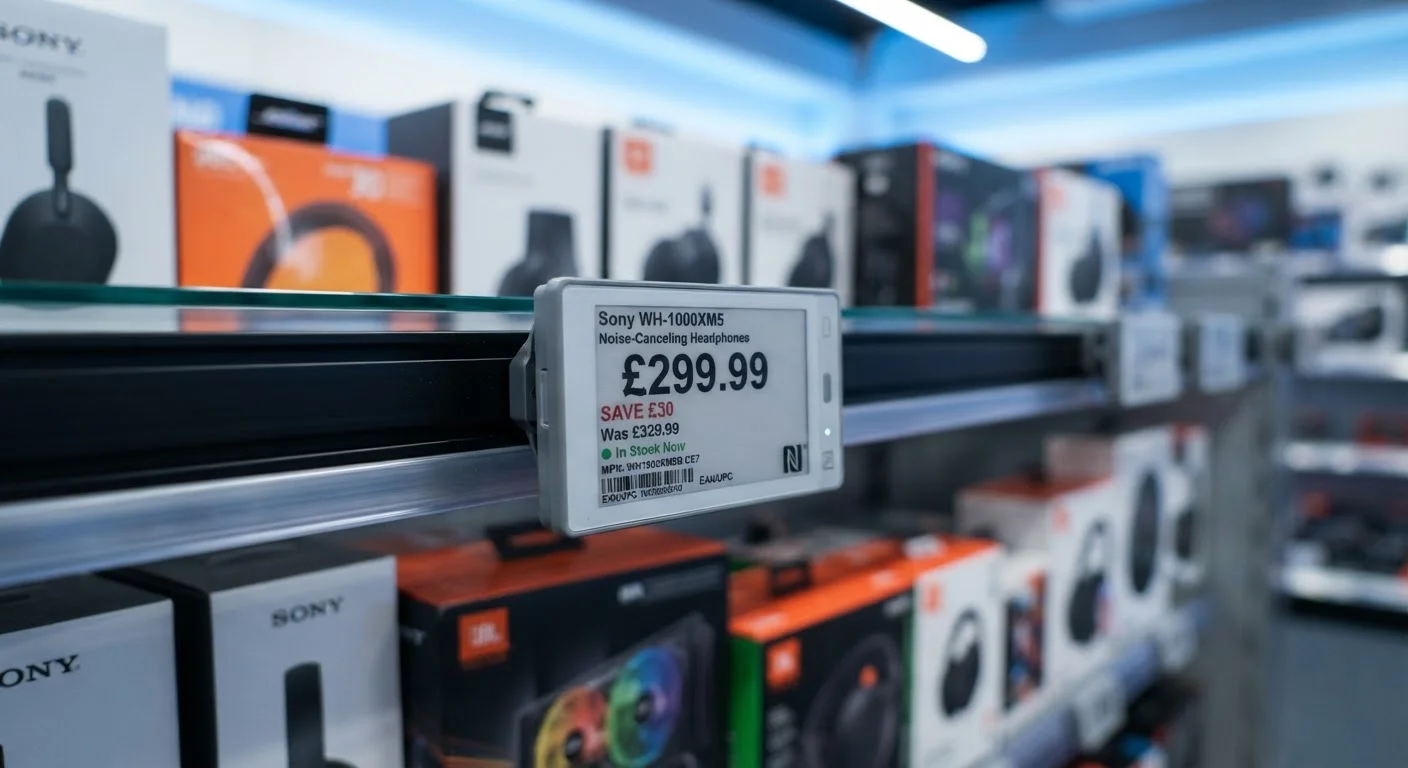
Photo: SaverSteals.com | Explore More. Shop Smarter. editorial
—— In This Article
Key Takeaways
- Electronics prices are adjusted algorithmically, often dozens of times per day.
- Competitor pricing, inventory levels, and demand signals are the primary drivers.
- Seasonal patterns create predictable windows when prices tend to dip.
- Price history tools let shoppers verify whether a 'sale' reflects a genuine drop.
- Where you buy - marketplace vs. manufacturer direct - affects the price you see.
The Algorithm Behind the Price Tag
When you refresh a product page and notice the price has changed since yesterday, you're witnessing automated repricing at work. Major electronics retailers deploy software that continuously monitors competitor prices, internal stock counts, and real-time demand signals - then recalculates the price it believes will maximize revenue or market share at that exact moment.
This isn't a niche practice. Large online retailers have been documented adjusting prices millions of times per day across their catalogs. Consumer electronics - high-value, easily comparable, and sold across dozens of competing storefronts - are among the most frequently repriced product categories.
Millions/day
Price changes at major online retailers
Academic research on e-commerce pricing has documented that large online retailers adjust prices millions of times daily across their full catalogs.
~2.5x
Electronics repricing frequency vs. other categories
Studies of retail repricing behavior consistently find electronics among the most frequently repriced categories relative to goods like clothing or home furnishings.
Understanding this system reframes how you interpret a price. It's not a fixed, considered number. It's an output of a live calculation that can change before you finish reading the product description.
What Signals Drive Price Changes
Several distinct inputs feed into repricing decisions:
- Competitor price changes: If a rival retailer drops its price by $20, an algorithm may match or undercut it within minutes. This competitive mirroring happens across retailers simultaneously, creating cascading price movements.
- Inventory levels: When stock runs low, some retailers raise prices to slow sales and maximize margin on remaining units. Conversely, overstocked items often trigger automated markdowns.
- Demand velocity: Unusually high traffic or add-to-cart rates signal strong demand, which can push prices upward. Slow-moving products attract the opposite response.
- Time-based rules: Some retailers program different pricing tiers for weekday mornings versus weekend evenings, based on historical conversion data.
- Product lifecycle: As a device ages toward discontinuation, prices typically drift downward. A new model announcement often triggers an immediate markdown on the outgoing version.
Use Price History Before Acting on a Sale
Browser extensions that track historical pricing for major retailers are freely available and take seconds to check. Before treating a markdown as significant, verify that the current price is actually below the product's typical range - not just below an inflated reference price. This single habit removes most of the guesswork from electronics purchasing.
Why Electronics Are Especially Susceptible
Not all product categories experience pricing volatility at the same rate. Electronics face a particular combination of factors that make frequent repricing especially common.
First, the products are highly standardized - a specific laptop model with a specific configuration is identical regardless of where you buy it, making price the primary differentiator. Second, consumer electronics depreciate quickly as newer generations arrive. Retailers are therefore always managing a countdown to obsolescence. Third, electronics carry high enough unit prices that even small percentage swings represent meaningful dollar amounts, giving retailers a stronger incentive to optimize continuously.
These dynamics play out differently depending on where you shop. Marketplace and manufacturer-direct pricing follow different logic - third-party sellers on open platforms often reprice more aggressively than brand-owned storefronts.
What This Means for Practical Shopping
Knowing that prices are algorithmically set changes how you should evaluate what you see. A prominently displayed "sale" badge means little without context about what the item normally costs. Price history browser extensions and dedicated tracking tools log historical prices for major retailers, letting you see whether today's figure is genuinely low or simply the current output of a repricing cycle.
Seasonality also matters. Electronics pricing follows recognizable seasonal patterns - post-holiday clearances, back-to-school periods, and product-launch windows create recurring moments when prices tend to soften. These aren't guaranteed, but they reflect structural incentives retailers face at predictable points in the calendar.
If budget is a primary concern, certified refurbished electronics represent a parallel path - one where pricing is set differently and the volatility of new-product algorithms is largely absent.
Ultimately, the most useful posture is one of verification over assumption. Check price history before treating a markdown as meaningful, and recognize that the number you see reflects a live system - not a settled judgment of value.
Frequently Asked Questions

Electronics Editorial Team
Electronics Editorial Team is the collective byline for our editorial team and contributor network. Articles published under this byline or an editorial pen name are researched, written, and reviewed according to our editorial standards for clarity, consistency, and independence before publication.
View author profile